
63% of Far East–Europe Container Shipping Capacity Returns to the Suez Canal
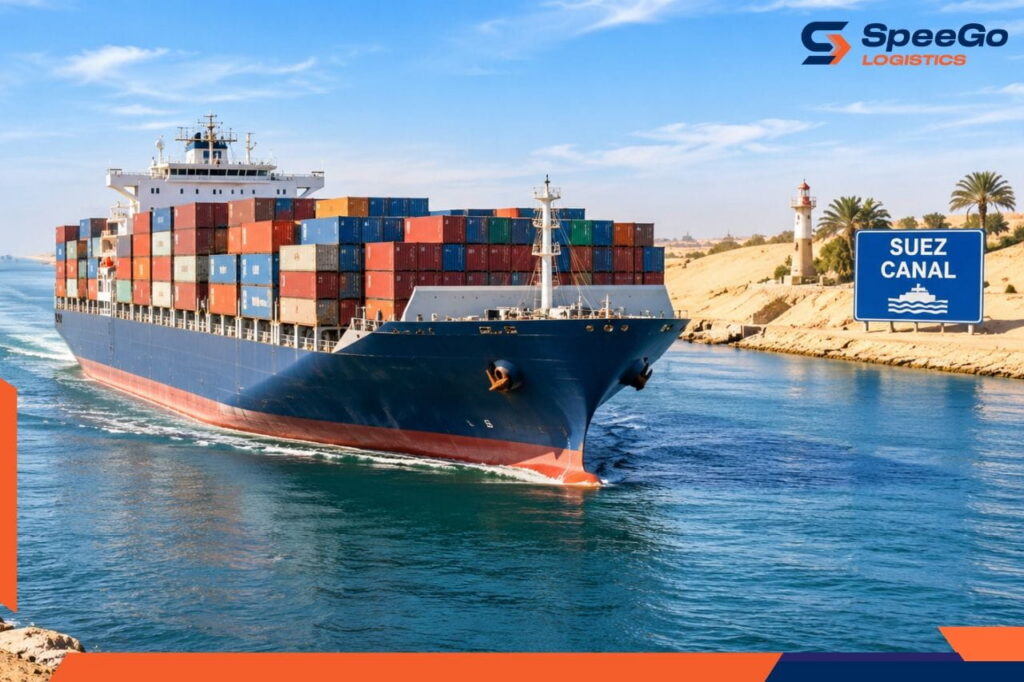
Approximately 63% of container shipping capacity on the Far East–Europe trade route has returned to operating via the Red Sea and Suez Canal, after nearly three years of diversions around the Cape of Good Hope. This trend could help shorten transit times and reduce operating costs across international shipping routes.
63% of Container Shipping Capacity Returns to the Suez Route
According to The Loadstar on October 21, 2026, approximately 63% of total container shipping capacity on the Far East–Europe route, equivalent to around 5.5 million TEUs out of a total of 8.7 million TEUs, has returned to operating through the Red Sea and Suez Canal.
According to Alphaliner data covering the period from September 15 to October 15, 2026, the return rates vary across different regions:
- Far East–Mediterranean route: Approximately 70% of capacity has returned.
- Far East–North Europe route: Approximately 58% of capacity has returned.
- Overall Far East–Europe route: Approximately 63%.
These figures indicate that shipping activity through the Suez Canal is gradually recovering, although operations have not yet fully returned to pre-disruption levels following the maritime security crisis in the Red Sea.
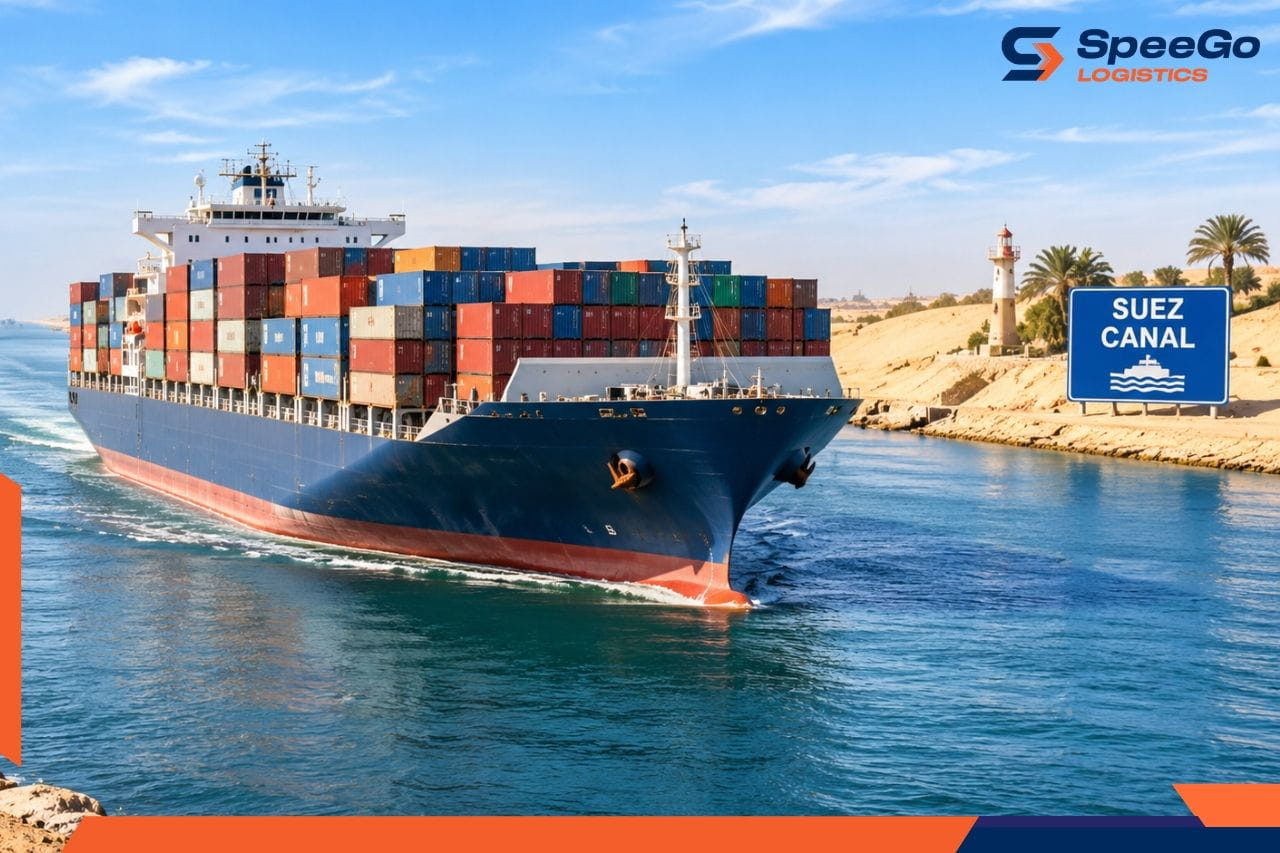
63% of Far East–Europe Container Shipping Capacity Returns to the Suez Canal
Shipping Lines Gradually Resume Services via Suez
Several major shipping lines have begun restoring container services through the Red Sea and Suez Canal.
MSC, Maersk, Hapag-Lloyd, COSCO, and OOCL are among the carriers that have gradually resumed some services through the region. Meanwhile, other shipping lines are maintaining a cautious approach, depending on security conditions and their risk assessments for individual voyages.
The recovery has not been uniform across the industry. Some carriers are still adopting a combination of routes, using the Suez Canal for eastbound voyages from Asia to Europe while diverting westbound services through the Cape of Good Hope.
Why Are Shipping Lines Returning to the Suez Canal?
Returning to the Suez route offers several significant benefits for maritime transportation:
- Shorter transit times: The Suez route can save approximately 1–2 weeks compared with sailing around the Cape of Good Hope, depending on the service route and schedule.
- Lower operating costs: Shorter voyages reduce sailing time, fuel consumption, and certain operating expenses.
- Improved fleet utilization: Ships can complete their rotations more quickly, helping improve operational efficiency and the allocation of shipping capacity
However, security risks in the Red Sea remain a key consideration. Shipping lines must weigh the benefits of shorter transit times and lower costs against safety concerns before deciding to resume individual services.
Outlook for Maritime Shipping
The return of 63% of Far East–Europe container shipping capacity to the Suez route signals a gradual recovery, but it does not mean that shipping routes have fully returned to normal.
If this trend continues, transit times between Asia and Europe could become shorter, while the availability of vessels and container equipment in the market may also improve.
For importers and exporters, it remains essential to monitor individual shipping line schedules, transit times, and route changes. Security conditions in the Red Sea will continue to influence decisions on shipping network adjustments in the coming period.
SpeeGo Logistics will continue to provide the latest updates on ocean freight, vessel schedules, and global supply chains.
References:
- The Loadstar – Nearly two-thirds of Far East-Europe capacity now back to Suez Canal (October 21, 2026).
- CLECAT – Alphaliner: 63% of Far East-Europe Container Capacity Returns to Suez Route.
- Lloyd’s List – Largest containerships return to Red Sea in force (October 22, 2026).
