
The process of shipping from China to Canada
When shipping from China to Canada, businesses can choose between ocean freight and air freight. In general, ocean freight suits large, non-urgent shipments, while air freight is the better fit for small, time-sensitive cargo.
In this guide, SpeeGo answers the questions importers ask most: Which shipping method should you choose? How much does it cost? How long does it take? And what does Canadian customs clearance involve?
Which method should you use for shipping from China to Canada?
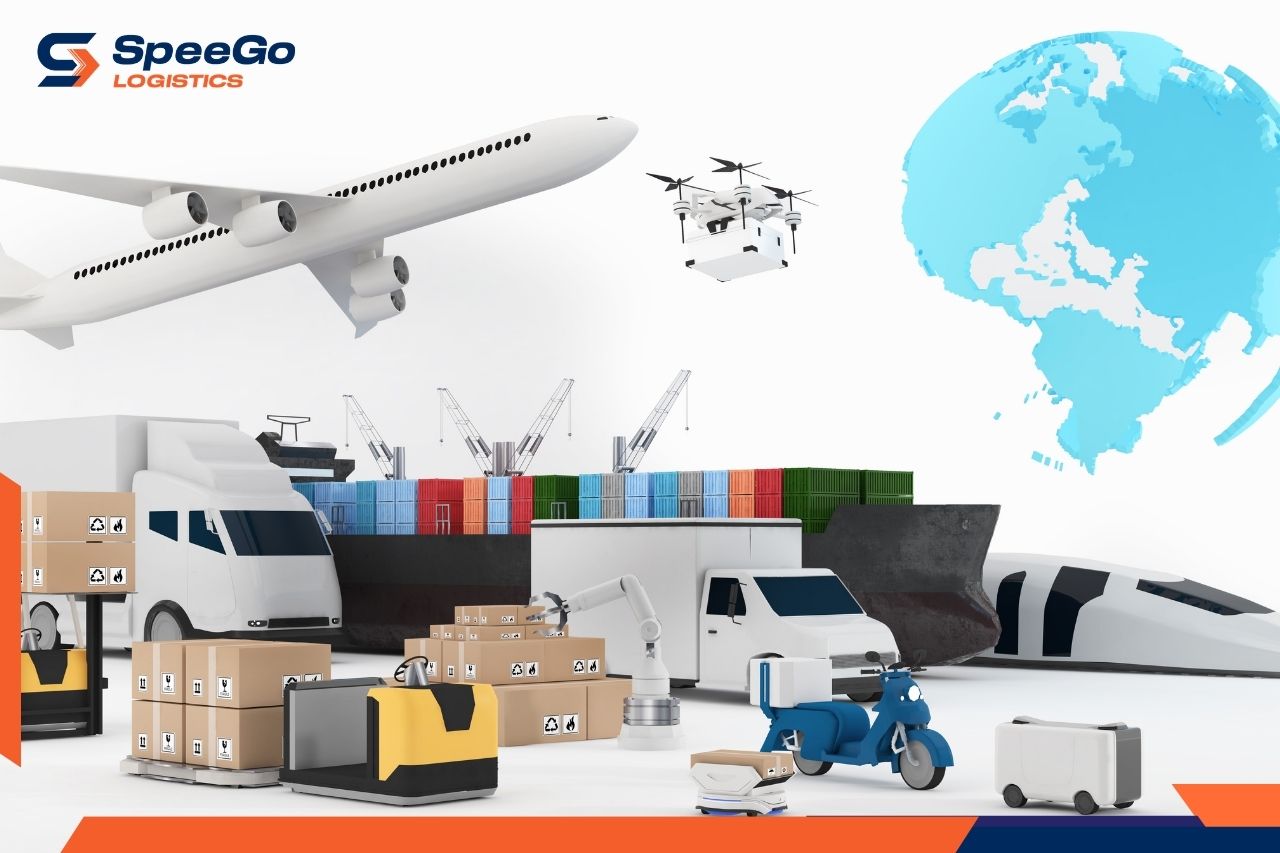
Choosing the right shipping method from China to Canada
The right method depends mainly on your shipment’s weight and how urgently you need delivery. For shipments between 150 and 500 kg, air freight is a good fit.
For larger shipments over 500 kg, ocean freight is the most cost-effective choice and usually the cheapest shipping from China to Canada.
When does ocean freight (FLC or LCL) make sense?
- FCL (Full Container Load): Best for shipments of 15 m³ or more. You pay a flat rate per container, whether or not it is full;
- LCL (Less-than-Container Load): Designed for smaller shipments, priced by volume (m³). However, the per-m³ rate for LCL can be up to twice that of FCL. Transit is also typically 1-2 weeks slower because cargo must be consolidated and deconsolidated at the port.
At SpeeGo Logistics, we calculate your shipment’s actual cubic meters and recommend whichever option, FCL or LCL, costs you less.
When is air freight from China to Canada the right choice?
Air freight is best for urgent shipments, high-value goods, and lightweight cargo.
- How charges are calculated: The airline compares actual weight with volumetric (dimensional) weight and bills on whichever is greater;
- Restrictions: Cargo containing batteries or flammable liquids is more tightly controlled and restricted than it is for ocean freight.
Quick comparison of shipping methods from China to Canada
| Mode | Best for | Reference transit time | Notes |
| FLC | Shipments of about 15 m³ or more | 15 – 28 days (port to port) | Book early during peak season |
| LCL | Less-than-container loads under 15 m³ | 30 – 45 days | Slower than FCL; extra consolidation and deconsolidation steps |
| Air freight | Urgent, high-value cargo | 3 – 5 days | Higher rates; restrictions on dangerous goods |
What are the steps for shipping from China to Canada?
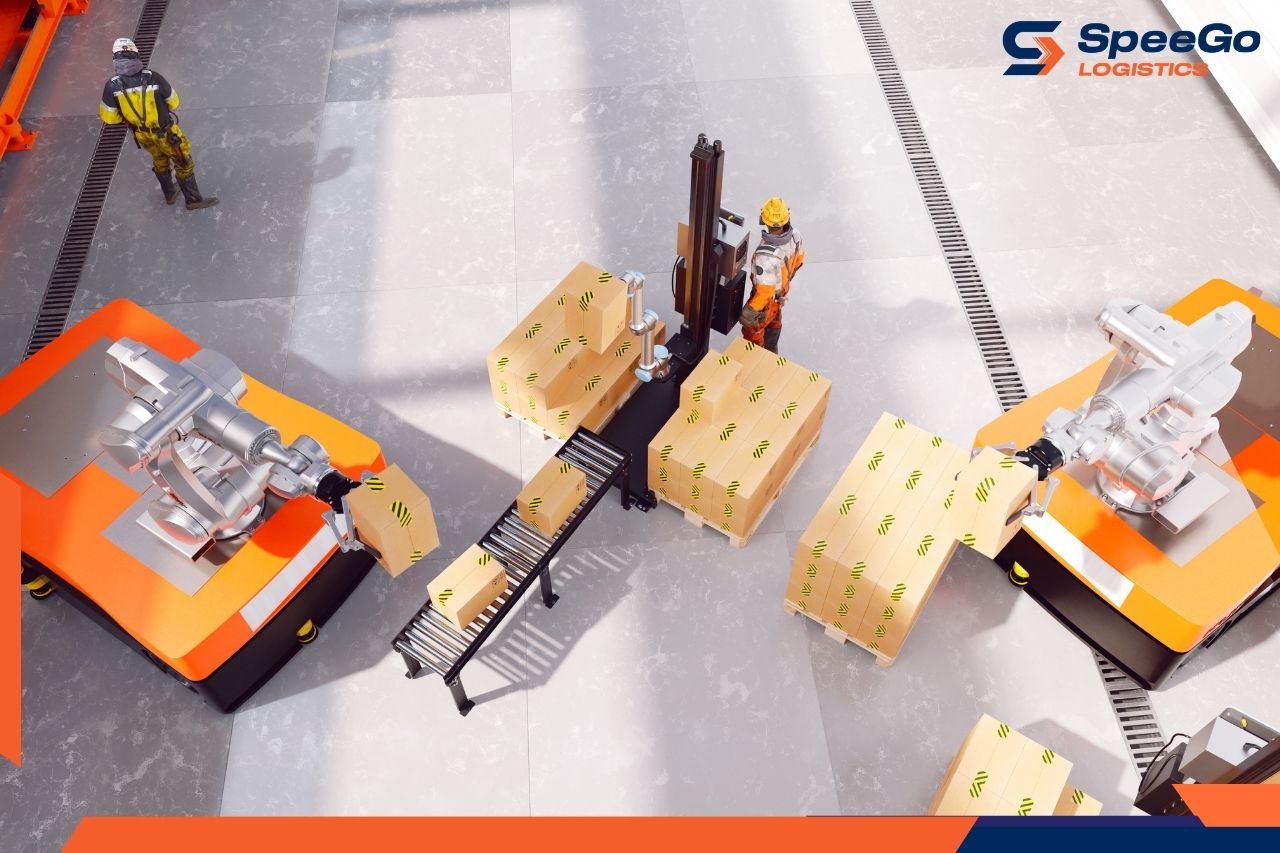
The core steps for shipping from China to Canada
To get a shipment from China to Canada safely and cost-effectively, importers need to understand the standard shipping process.
A complete process involves seven core steps:
1. Confirm Incoterms: These international commercial terms define each party’s responsibilities, risks, and costs between buyer and seller;
2. Classify the HS code for duty calculation: This lets customs identify your goods and apply the correct import/export duty rate;
Book space early;
3. Check documents: Commercial invoice, packing list, and cargo list;
4. Buy cargo insurance;
5. Clear import customs;
6. Arrange inland transportation to your warehouse.
To make this easier for new importers, SpeeGo has condensed the process into three main stages, with key tips for each.
Preparation: Confirm incoterms, look up the HS code, and verify documents
Confirm Incoterms: Agree on delivery terms in the sales contract. FOB is usually the safest and most balanced choice. It lets you choose your own carrier and control the main freight charges.
FOB stands for Free On Board. The seller in China is responsible for costs and risk only until the goods are loaded on the vessel. The buyer then pays for international freight and handles clearance in Canada.
Determine the HS code: An incorrect HS code can cause your shipment to be held or result in heavy customs penalties. The simplest approach is to ask your supplier in China for the correct HS code, so you can research the applicable duty rate yourself.
Verify documents and quality (QC): The commercial invoice and packing list must match the actual cargo exactly. Product quality should also be inspected and approved before the container is sealed.
At SpeeGo Logistics, we offer sourcing and QC services directly at factories in China to help you keep tight control over this step.
International shipping and customs clearance in Canada
Book space: Contact your freight forwarder to secure space as early as possible. This matters most before major holidays (such as Chinese New Year) and the year-end peak season, when it helps you avoid rolled cargo and sharply higher rates.
Track your shipment: During transit, you can monitor your cargo’s status and location using a tracking number provided by the carrier or your freight forwarder.
Clear customs before the vessel arrives: Customs paperwork should be processed while the vessel is still at sea. That way your cargo can be released as soon as it docks, helping you avoid costly port storage (demurrage) and container detention fees in Canada.
Transshipment and inland delivery in Canada
Inland routing: Most ocean freight arrives first at a major gateway port such as Vancouver (West Coast) or Montreal (East Coast). Depending on where your warehouse is located, the cargo is then moved onward.
For example, moving cargo from the Port of Vancouver to a warehouse in Toronto by rail adds about 3–7 days.
Coordinate inland transport: Free time at the port is limited. Plan ahead and book drayage trucks in advance, so containers can move to your warehouse as soon as they clear customs. Delays in dispatching trucks lead to avoidable extra charges.
How much does shipping from China to Canada cost?
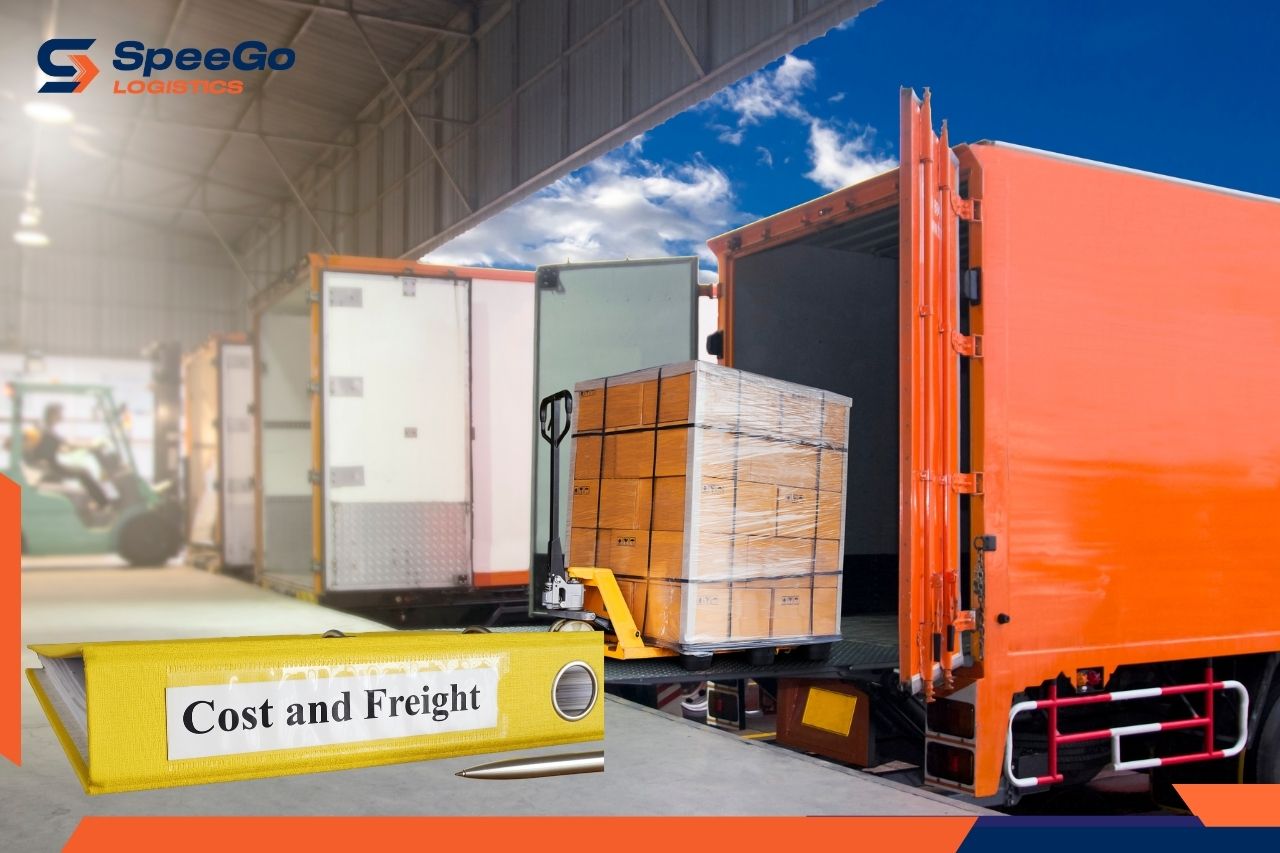
Estimated shipping costs from China to Canada
The total shipping cost from China to Canada typically includes the main freight charge plus related surcharges (documentation fees, port handling fees, fuel surcharges, and more).
Rates are not fixed. They fluctuate with market conditions and seasons. For example, ocean freight for a single 40-foot container can range widely, from about $3,800 to more than $10,000 depending on the time of year.
The table below summarizes typical rates by shipping mode to help you plan your budget.
Shipping rates from China to Canada by mode
| Mode | Early 2026 | October 2026 |
| 20-foot container | $2,200 – $5,200 | $7,020 – $8,580 |
| 40-foot container | $3,800 – $6,800 | $8,640 – $10,560 |
| LCL | $60 – $120/m³ | $190/m³ |
| Air freight | $5 – $12/kg | $7.24/kg (1,000 kg and up) |
Note: These figures are reference rates as of early 2026 and October 2026. Because international freight rates change constantly, contact the SpeeGo Logistics team for a recommended routing and an accurate quote for your shipment.
Costs beyond the freight rate to budget for
In addition to the main freight charge, plan for the following:
- Port terminal fees and storage (demurrage) charges when free time is exceeded;
- Inland transportation in Canada, including rail and trucking;
- Cargo insurance, typically about 0.3 – 0.8% of the shipment’s value;
- Import duties and Goods and Services Tax (GST), which are usually not included in the freight quote.
How long does shipping from China to Canada take?
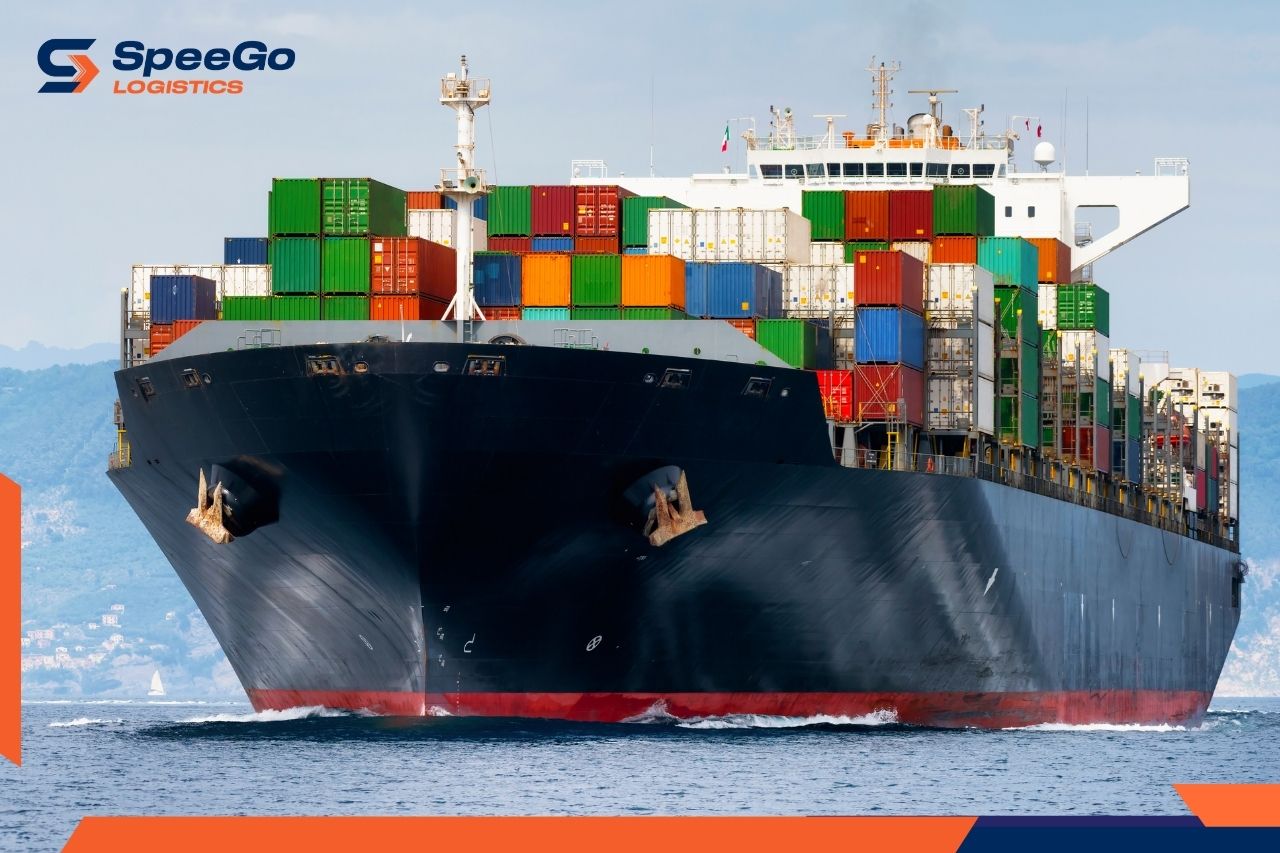
Estimated transit times from China to Canada.
Ocean freight from China to Canada takes roughly 15 – 40 days, depending on the destination port. Air freight takes about 3 – 7 days. These transit times do not include customs clearance or inland delivery.
Exact timing depends on the shipping mode and destination port.
Transit times by shipping mode
| Mode | Reference transit time |
| FCL to Vancouver | 15 – 28 days (port to port) |
| FCL to Montreal or Toronto | 25 – 40 days (includes rail) |
| LCL | 30 – 45 days |
| Air freight | 3 – 7 days |
What causes shipments to arrive in Canada later than expected?
Three common causes of delay are port congestion, bad weather, and errors in customs documents.
Peak seasons also push up rates and transit times. Key dates to watch:
- Chinese New Year: late January to early February;
- Golden Week: first week of October;
- Holiday peak season: July – October for ocean freight, October – December for air freight.
How to choose a freight forwarder for China to Canada shipping
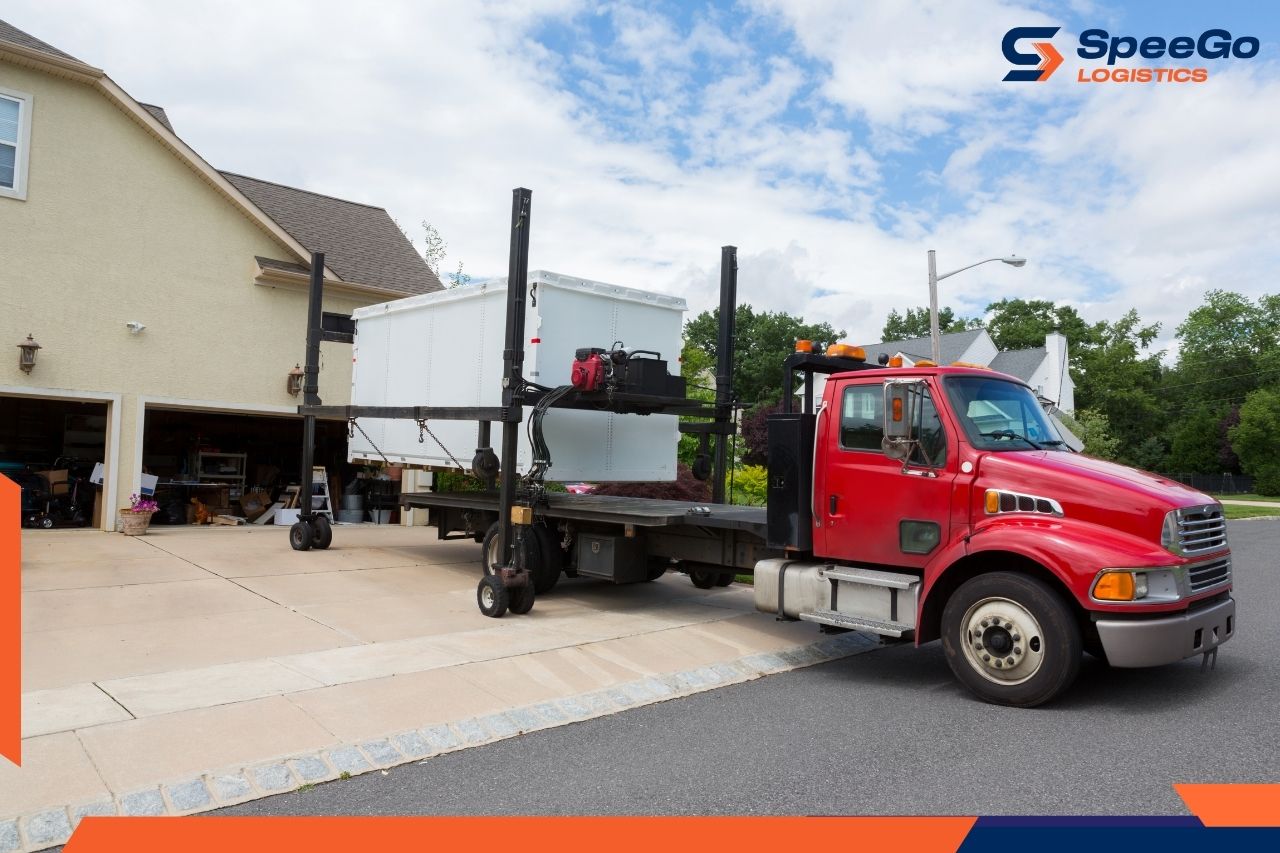
4 core criteria for choosing a China to Canada shipping agent
To maximize profit and limit risk, choose a logistics partner with deep experience on the China to Canada lane, transparent pricing, and full-service customs clearance.
4 core criteria for choosing a shipping agent from China to Canada
- Knowledge of Canadian customs: Understands the procedures and documentation required, to prevent cargo from being held at the port;
- End-to-end solutions: Offers customs clearance, insurance, warehousing, and transparent tracking in one package;
- Transparent pricing: Itemizes all costs upfront, with no hidden fees;
- Responsive support: Replies quickly and has a dedicated contact to resolve issues.
Pro tip: Canadian law does not require you to hire a customs broker. Still, we recommend using one for your first few shipments to make sure your paperwork is correct and to avoid costly mistakes.
What should you ask a freight forwarder before signing?
To clarify responsibilities and avoid hidden costs later, discuss the following with your freight forwarder:
- What does this quote include? Is it a port-to-port or door-to-door rate?
- Who will handle import customs clearance in Canada?
- If cargo is held at the port or container release is delayed, who pays the storage charges?
- Until what date is the quoted rate valid?
- Can the shipment be covered by international cargo insurance, and what does the coverage pay out?
What does SpeeGo Logistics offer on the China to Canada lane?
SpeeGo Logistics is a U.S.-headquartered brand built to handle international B2B supply chains, especially import flows from China and Vietnam into the U.S., Canada, and Australia.
On the China to Canada lane, SpeeGo Logistics acts as more than a shipping provider. We work as a supply chain advisor with specialized services:
- Flexible international transportation: Ocean freight at competitive rates, plus expedited air freight for urgent shipments;
- On-site sourcing and quality control (QC): This is one of SpeeGo’s core strengths. We help you find reliable suppliers and send our own inspectors to the factory in China to check your goods before the container is loaded;
- Accurate import documentation and clearance: Our specialists advise on HS codes, review your documents for accuracy, and support fast customs clearance, so your shipment stays in full compliance with Canadian customs regulations.
Whatever the size of your shipment, send us the details (weight, dimensions, and pickup and delivery locations). Our specialists will review them and design a safe, cost-efficient plan that makes the best use of your time.
SpeeGo Logistics provides import solutions from China and Vietnam into the U.S., Canada, and Australia. Contact SpeeGo today for a free consultation and quote, and follow our website for the latest logistics insights.
