
Tesla and Samsung Oppose Additional U.S. Tariffs on Vietnamese Goods
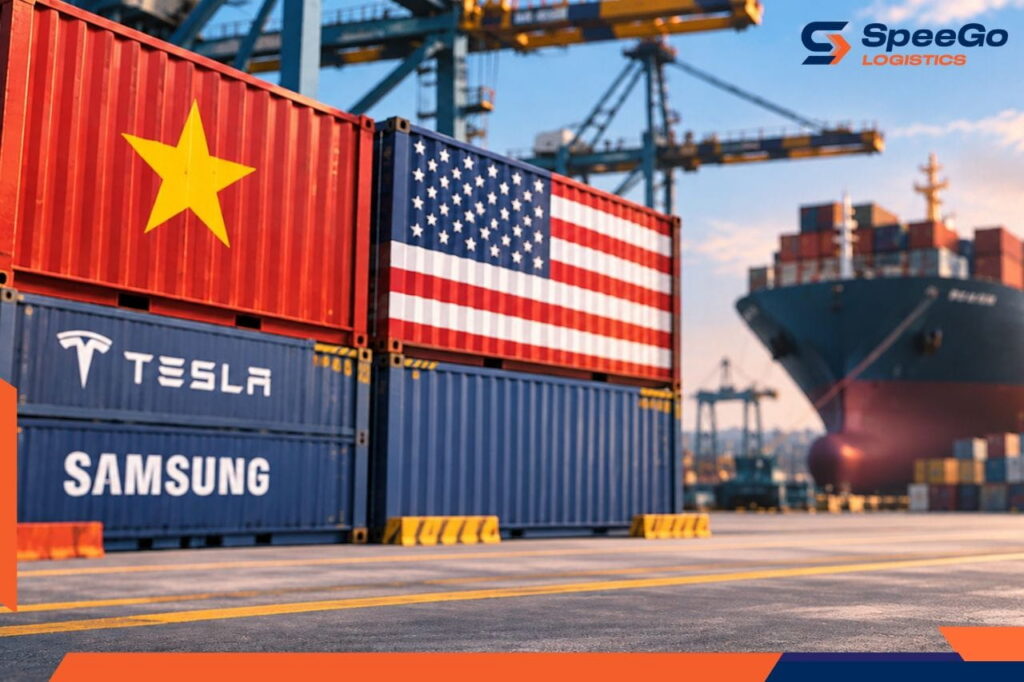
U.S. businesses are divided over the possibility of Washington introducing new trade measures against Vietnam. While Tesla, Samsung, and several retail associations are concerned that additional tariffs could increase costs and disrupt supply chains, some U.S. manufacturing industries are calling for tougher trade measures.
U.S. Approaches Deadline for Section 301 Investigation into Vietnam
According to Reuters on November 2, 2026, the U.S. administration is expected to conclude its Section 301 trade investigation into Vietnam by November 29, 2026.
The investigation was launched by the Office of the United States Trade Representative (USTR) on May 29, 2026. It focuses on Vietnam’s policies and practices related to the protection and enforcement of intellectual property rights. The U.S. argues that Vietnam has not fully addressed longstanding concerns in this area.
This is a standalone investigation and does not mean the U.S. has decided to impose additional tariffs on all Vietnamese goods. The scope and form of any potential trade measures have yet to be determined.
Tesla and Samsung Oppose Additional Tariffs
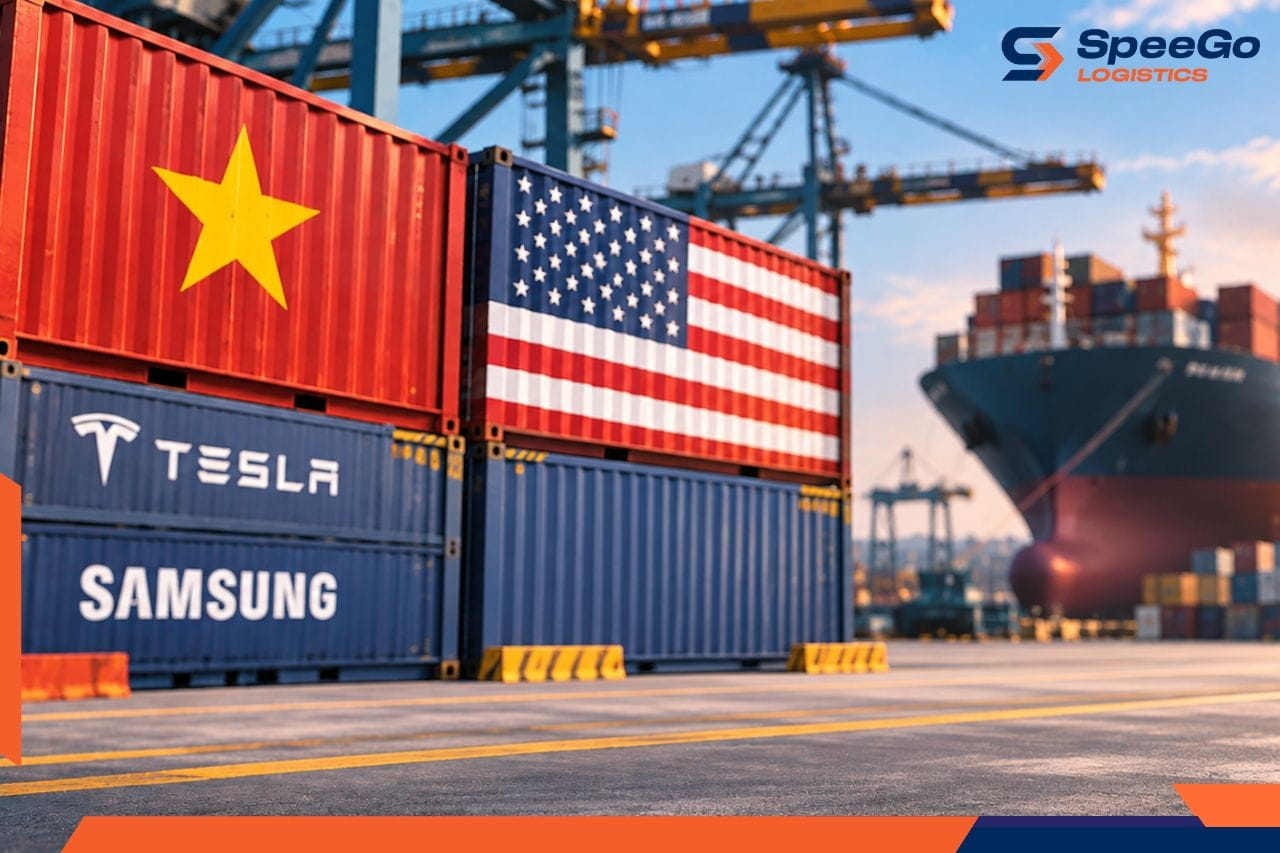
Tesla and Samsung Oppose Additional U.S. Tariffs on Vietnamese Goods
Tesla and Samsung are among the companies opposing the possibility of additional U.S. tariffs on goods originating from Vietnam.
Tesla: The company has urged USTR to consider the supply chain needs of U.S. manufacturers. Certain high-tech components and precision manufacturing equipment still need to be imported because domestic supply cannot fully meet demand.
Samsung: The company has highlighted Vietnam’s role in the supply chains for smartphones and network equipment serving the U.S. market. Samsung has invested approximately $25 billion in Vietnam.
Retail, textile, and footwear associations: These groups are concerned that additional tariffs would increase import costs and affect manufacturing operations and product prices in the United States.
These concerns show that tariffs on Vietnamese goods could affect not only exporters but also increase costs for U.S. manufacturers and importers themselves.
Some U.S. Industries Call for Greater Trade Pressure
On the other hand, groups representing the U.S. steel, seafood, timber, plywood, and solar energy industries are urging Washington to adopt stronger trade measures against Vietnam.
Meanwhile, organizations representing the software, film, and music industries want the U.S. to put pressure on Vietnam to strengthen intellectual property protection and address copyright infringement.
These differing positions reflect the varied interests of U.S. industries. Businesses that depend on supplies from Vietnam want to maintain stable trade relations, while some domestic manufacturers are seeking greater protection from foreign competition.
Potential Impact on Vietnamese Importers and Exporters
If the U.S. decides to introduce additional tariff measures following the investigation, Vietnamese businesses could face several risks:
- Higher export costs: Additional tariffs could increase the price of goods imported into the U.S., potentially weakening their competitiveness.
- Order fluctuations: U.S. importers may reassess purchase prices, suppliers, and order allocation plans.
- Supply chain pressure: Businesses may need to review their raw material sources, manufacturing locations, and transportation arrangements.
- Greater flexibility in delivery planning: Changes in trade policies may require businesses to take a more proactive approach to inventory planning and delivery schedules.
However, these remain potential risks. No final decision has been made to impose additional tariffs under the Section 301 investigation concerning intellectual property rights.
What Should Businesses Monitor?
Ahead of the November 29, 2026 deadline, Vietnamese exporters and U.S. importers should monitor official announcements from USTR, particularly the investigation’s findings, the scope of potentially affected goods, and any proposed trade measures.
Businesses should also review their HS codes, product origins, cost structures, and contractual terms to assess potential impacts if tariff policies change.
Developments in the Section 301 investigation will be an important factor to watch in U.S.–Vietnam trade throughout November 2026. Staying informed about policy changes and preparing flexible supply chain strategies can help businesses mitigate risks in their import and export operations.
References:
- Reuters, November 2, 2026: Tesla and Samsung oppose new U.S. tariffs on Vietnam as probe deadline nears.
- USTR, May 29, 2026: USTR Announces Section 301 Investigation into Vietnam’s Acts, Policies, and Practices Related to Intellectual Property Protection and Enforcement.
Follow SpeeGo Logistics for the latest updates on ocean freight, logistics, and global supply chains.
