Supplier sourcing: Complete guide for business
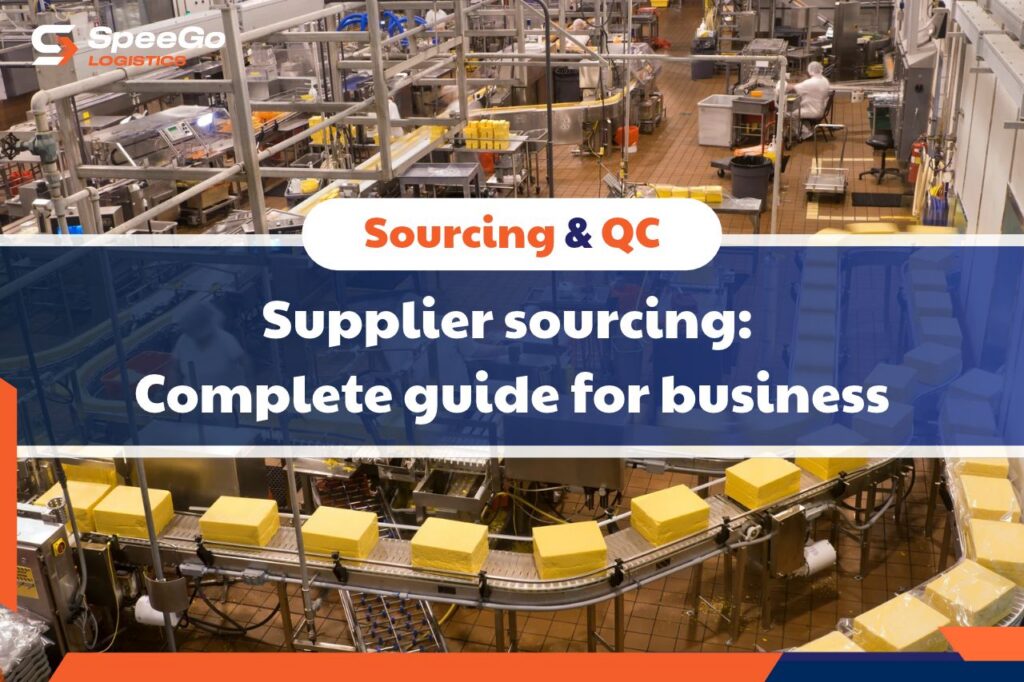
Supplier sourcing is the process of identifying, evaluating, and selecting the right suppliers to keep your business stocked with consistent, quality-controlled, cost-effective inventory. It’s the foundation that determines how well the rest of your supply chain performs.
In this guide, SpeeGo breaks down: how supplier sourcing differs from purchasing and supply chain management, what the global sourcing process actually looks like step by step, where to find suppliers, and whether hiring a sourcing agency is worth it for your business.
What is supplier sourcing?
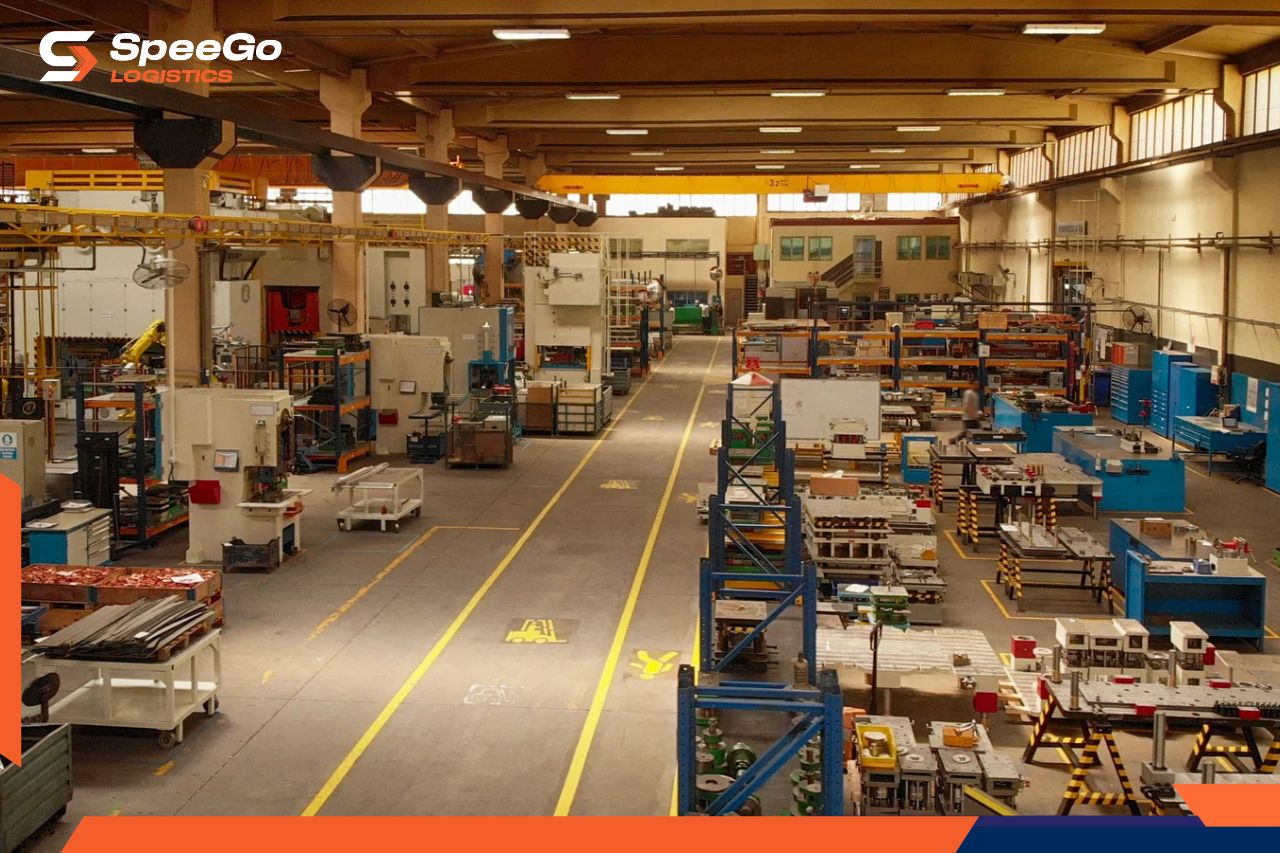
A comprehensive guide to supplier sourcing in supply chain
Supplier sourcing is the work of finding, vetting, and selecting vendors to supply raw materials, finished products, or services to your business. The goal is a stable supply of goods at the right cost, quality, and lead time. It’s the first link in the supply chain, and it has a direct impact on your landed cost and how fast you can get product to market.
Why does vendor sourcing matter?
Sourcing supplies well is a core driver of unit economics – it directly shapes your cost of goods, product quality, and supply reliability. A solid vendor sourcing process helps your business:
- Lower material and production costs;
- Reduce the risk of supply chain disruptions;
- Maintain consistent quality across production runs;
- Shorten time-to-market;
- Build long-term negotiating leverage with strategic suppliers.
What types of supplier sourcing are there?

Exploring the different categories of sourcing strategies
Businesses generally source by geography: domestic suppliers or international markets. Each option comes with its own trade-offs, and the right fit depends on where your business is in its growth curve.
Sourcing from local suppliers
Domestic sourcing shortens lead times, makes quality checks easier to run in person, and eliminates international freight costs. It works well for small orders, quick product testing, or rush custom jobs. The trade-off is that unit costs tend to run higher and the range of product options can be more limited.
Global sourcing
Global sourcing – particularly out of China – gives businesses access to competitive pricing, large-scale manufacturing capacity, and a much wider range of product options. In exchange, you take on international freight, customs clearance, and remote quality control.
A growing number of companies are also expanding their global sourcing process to include Vietnam, reducing their reliance on any single market.
Here’s a breakdown of supplier types to help you choose based on your order volume and business stage:
| Supplier type | Characteristics | Lowest MOQ | Pricing | Quality control | Best for |
| Direct factory /manufacturer | Produces in-house, no middleman | 500 – 2.000 units | Lowest | Full control | Bulk imports, private label |
| Trading company | Sources across multiple factories, flexible MOQ | 100 – 500 units | 10-20% higher | Limited | Small imports, product testing |
| Sourcing agent | Finds and manages factories on your behalf | Varies by factory | 3 – 8% of PO value | Negotiable | First-time imports, complex products |
| Wholesale distributor | Ready stock, fast domestic shipping | 1 – 50 units | Highest | Set by manufacturer | Small imports, retail |
| OEM/ODM manufacturer | Produces to your custom spec | 1.000 – 5.000 units | Competitive | Highest | Private label, custom branding |
Supplier sourcing process

Step-by-step process for finding the right supplier for your business
Most companies follow a four-stage supplier sourcing process: identifying potential vendors, evaluating and selecting them, negotiating and signing a contract, and finally, onboarding and monitoring performance once the partnership is live.
Supplier identification
Before you start reaching out to vendors, review your current spend, get clear on your internal requirements, and research the market to narrow down viable partners. At this foundational stage, screen suppliers against these criteria:
- Industry-specific quality certifications (e.g., ISO 9001) and the production capacity to meet your required volumes;
- Geographic location – which directly affects lead time and freight cost – and financial health, to avoid partnering with a vendor that could go under mid-contract.
Evaluation and selection
Once you have a shortlist, you’ll gather more detail through one of three standard procurement documents:
- RFI (Request for Information): Used to gauge a vendor’s capabilities and track record early in your market research;
- RFQ (Request for Quotation): Used once you know exactly what you need and just want to compare pricing;
- RFP (Request for Proposal): Used for complex products or projects where you want vendors to propose their own solution;
Never default to the lowest bidder. Evaluate suppliers holistically using the QCD framework – Quality, Cost, and Delivery:
- Calculate total cost of ownership (unit price, freight, duties, inspection fees) alongside quality compliance;
- Assess delivery capacity, scalability, and business continuity planning;
- For high-stakes orders, conduct a factory audit, review 2 – 3 years of financial statements, and contact at least three past customers to verify reliability.
Negotiation and contracting
Both parties need to lock in pricing, quality standards, delivery schedules, payment terms, and the KPIs that will govern the partnership going forward. For overseas vendors, the contract should also clearly spell out:
- Incoterms, currency risk, and the dispute resolution process;
- The escalation path for issues, each party’s responsibilities, and the conditions for terminating the agreement.
Onboarding and performance monitoring
The first 60 – 90 days after signing require close attention – this is when small supply, quality, or invoicing issues surface, and catching them early prevents them from turning into major disruptions.
Beyond the initial ramp-up, keep tracking on-time delivery rates, defect rates, and vendor responsiveness on an ongoing basis. This performance data is what should actually drive your decision to renew, renegotiate, or replace a supplier.
Where should you look for reliable suppliers?

Where should one look for suppliers that offer a diverse range of products and operate on a large scale?
There are three main channels for supplier sourcing: online B2B marketplaces, trade shows, and sourcing agencies. Each suits a different order size and risk tolerance.
Online B2B marketplaces
Platforms like Alibaba, Global Sources, and 1688 are the fastest way to find manufacturers, compare pricing, and check buyer reviews. This is the go-to channel for sellers new to supplier sourcing, especially for small test orders.
Trade shows
Events like the Canton Fair let you meet manufacturers face-to-face, inspect samples in person, and assess factory capabilities on-site. This channel works best for large orders or custom products, where meeting in person reduces the risk of miscommunicated specs.
Sourcing agencies
A product sourcing agency finds, vets, and manages vendors on your behalf in the country of production. This route makes sense when you don’t have boots on the ground or need tight quality control.
Key criteria for choosing a supplier
The cheapest vendor isn’t always the best one. Weigh suppliers against multiple criteria in parallel rather than defaulting to price alone.
| Criteria | Why it matters |
| Pricing and payment terms | Directly affects your margin |
| Quality and certifications | Determines defect rates and customs clearance |
| Production capacity | Ensures large or rush orders can be fulfilled |
| Lead time | Impacts your time-to-market |
| Reputation and financial stability | Reduces risk of a supplier failing mid-partnership |
| Communication | Limits errors from language gaps and time zone differences |
Rank these criteria based on your own priorities – product type and budget should drive the weighting, not a one-size-fits-all formula.
Should you hire a sourcing agency? What does it cost?
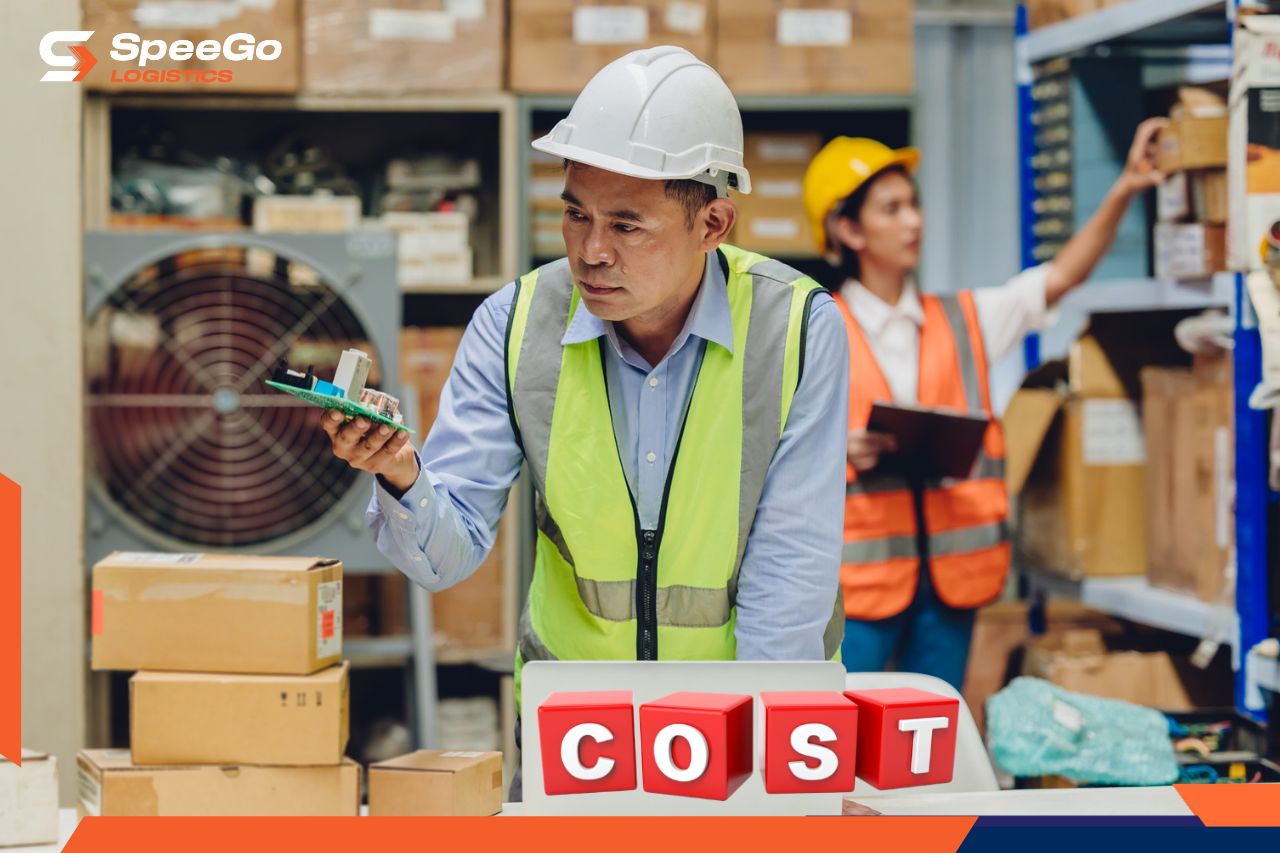
Costs to consider when searching for suppliers
Most manufacturing sourcing companies charge a commission of 3 – 10% of order value, a flat monthly retainer of $500 – $3,000, or a one-time project fee of roughly $300 – $1,500.
| Fee structure | Typical range | Best for |
| Commission per order | 3 – 10% of order value | Order-by-order sourcing |
| Flat monthly retainer | $500 – $3,000/month | Recurring, ongoing orders |
| One-time project fee | $300 – $1,500 | Sourcing a single supplier |
A sourcing agency is worth the fee when you need custom products, your order exceeds $5,000, or you’re managing multiple suppliers at once. For smaller, standard-catalog orders, buying direct through a B2B marketplace is usually more cost-effective.
Common challenges in supplier sourcing
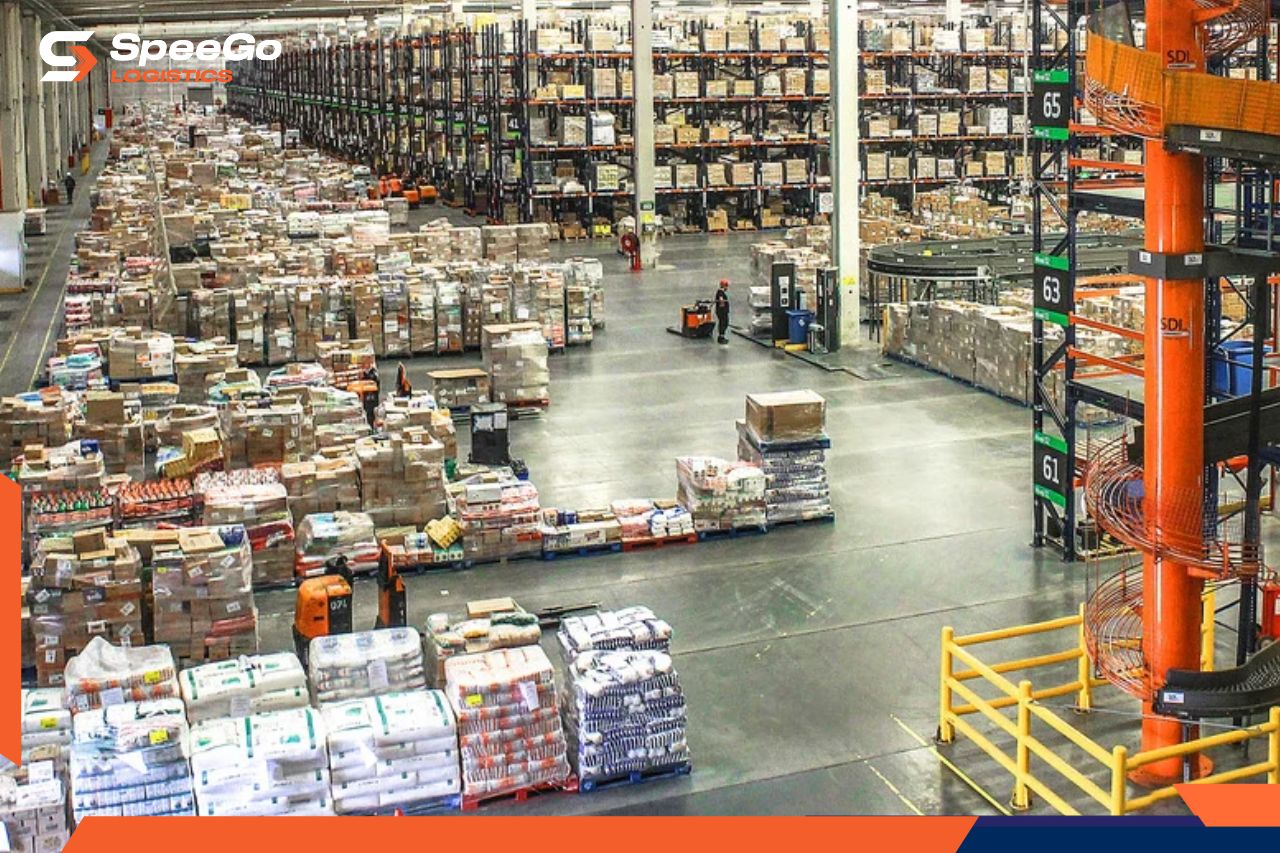
Things businesses should consider when selecting a supplier
Sourcing at scale – especially globally – carries real risks that businesses need to plan for ahead of time.
Fraud and hidden kickbacks
The biggest risk with sourcing agencies isn’t the fee they quote you — it’s the hidden factory kickback that can inflate your order cost by 30–40%, even when the agency reports collecting just 5% (Source: China Trade Guide).
Request pricing directly from the factory to cross-check before signing with any sourcing agency.
Global supply chain disruption
According to a 2025 World Economic Forum report, major supply chain disruptions now occur roughly every 3.7 years – an annual probability of about 27%.
Build a backup supplier plan rather than relying on a single source.
FAQs about supplier sourcing
1. Does SpeeGo Logistics help with supplier sourcing?
Yes. Beyond ocean and air freight, SpeeGo helps clients with supplier sourcing, quality inspection, and connecting with manufacturers in China and Vietnam before shipping to the US, Canada, and Australia.
2. What should you look for in a reliable manufacturing sourcing company?
Look for a transparent track record, clear pricing with no hidden commissions, independent quality inspection support, and a willingness to provide direct factory contact information on request.
3. How long does sourcing manufacturers for dropshipping take?
Typically a few days to two weeks when buying through a B2B marketplace with existing sample products. If you need custom packaging or private branding, expect 3 – 4 weeks.
Supplier sourcing isn’t just about picking a vendor – it’s the decision that shapes your cost, quality, and delivery speed from day one. The right sourcing strategy and vendor criteria will look different depending on your business size and stage.
If you’re looking for a reliable logistics partner, SpeeGo Logistics specializes in shipping lanes from China and Vietnam to the US, Canada, and Australia. We offer end-to-end support for Vietnamese sellers going global, the Vietnamese diaspora, and US-based businesses alike – from sourcing at the factory level and quality inspection to final-mile delivery.
Contact SpeeGo today for a free consultation and detailed quote. Follow our blog for more guides in the supplier sourcing guide series.
Related Articles