
What Is Supply Chain Management? Key Risks Businesses Should Know
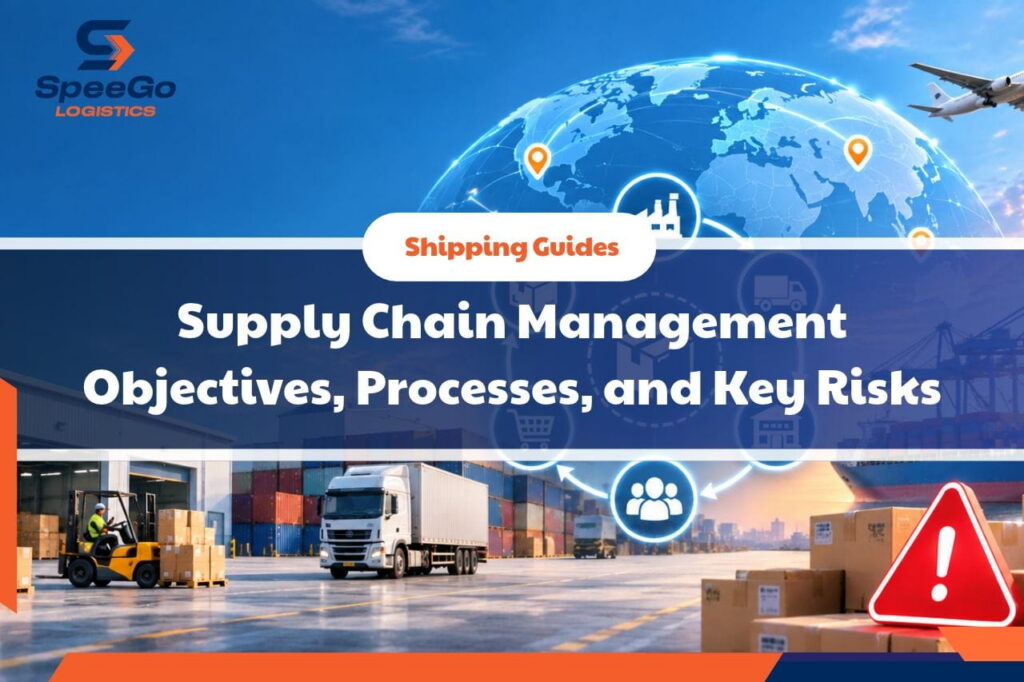
Simply put, a supply chain is the entire process and network that enables goods, information, and resources to move from their original point of supply to the end customer.
For U.S. businesses importing goods from multiple countries, a disruption at just one point in the supply chain can trigger a series of problems, including product shortages, supply disruptions, inventory issues, and rising logistics costs.
Is your business managing its supply chain effectively?
In this article, SpeeGo Logistics takes a closer look at what a supply chain is and how the international supply chain process works.
What Is a Supply Chain?
When a product reaches the customer, an entire network of connected activities operates behind it, linking suppliers, procurement, manufacturing, warehousing, transportation, and distribution. This network is known as the Supply Chain.
Example of a Supply Chain:
A U.S. business may source raw materials from China, manufacture products in Vietnam, ship them to the United States via ocean freight, store them in a warehouse in Texas, and distribute them to customers across the country.
Together, these activities form a complete international supply chain.
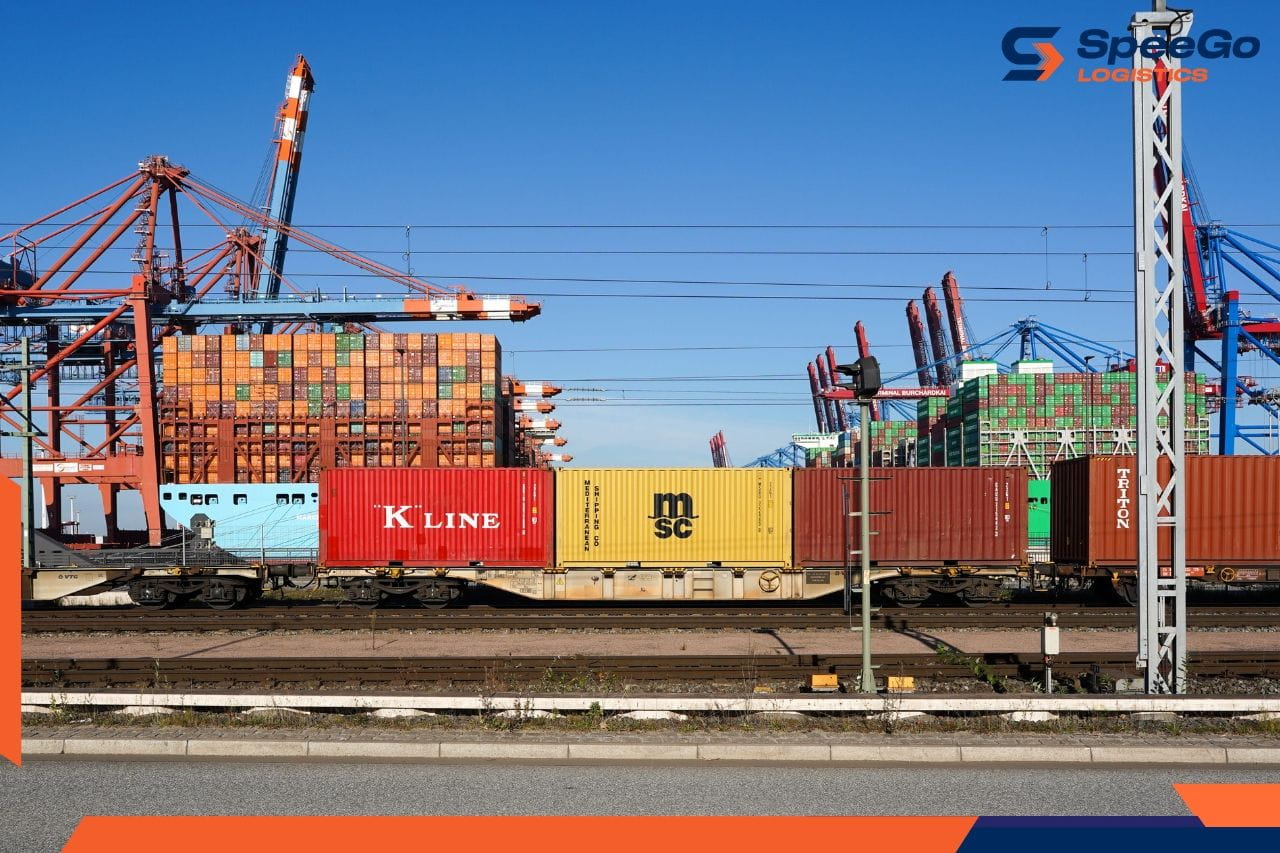
The supply chain is the flow of goods from the point of production to the end customer.
What Are the Objectives of a Supply Chain?
The goal of a Supply Chain is not simply to move goods from point A to point B. An effective supply chain must balance cost, speed, quality, responsiveness, and risk.
U.S. businesses typically focus on several key objectives:
- Ensuring a reliable supply of goods and raw materials.
- Reducing procurement, manufacturing, warehousing, and transportation costs.
- Maintaining optimal inventory levels.
- Meeting customer demand at the right time.
- Improving the ability to respond to market fluctuations.
What Is the Difference Between Logistics and Supply Chain?
Supply Chain and Logistics are closely related concepts, but they are not interchangeable.
Logistics focuses on transportation, warehousing, and managing the flow of goods.
Supply Chain has a broader scope, covering activities such as sourcing, procurement, manufacturing, inventory management, logistics, and distribution.
What Is Supply Chain Management (SCM)?
Supply Chain Management, commonly abbreviated as SCM, is the process of planning, organizing, coordinating, and optimizing the entire supply chain, from sourcing raw materials to delivering finished products to end customers.
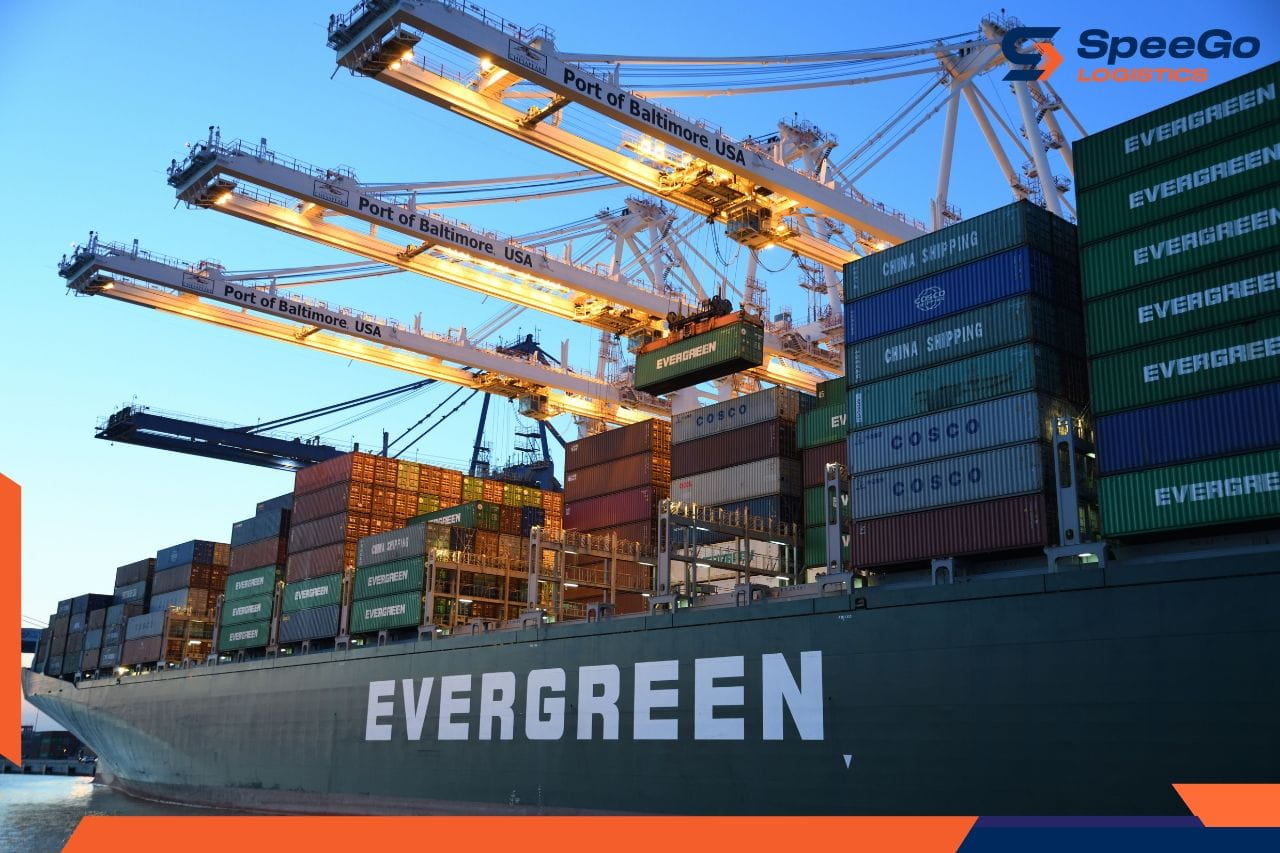
SCM encompasses all the activities involved in managing and coordinating the flow of goods throughout the supply chain.
In simple terms:
Supply Chain is the system and network connecting all parties involved in supplying goods.
Supply Chain Management (SCM) is the process of managing and optimizing that system.
A supply chain may involve multiple participants, including Suppliers, Manufacturers, Warehouses, Carriers, Distributors, Retailers, and End Customers.
SCM helps businesses coordinate these activities to ensure that goods, information, and resources move efficiently throughout the supply chain.
What Activities Does Supply Chain Management Include?
Depending on the business model, SCM can cover a wide range of activities, including:
- Demand Planning: Forecasting market demand.
- Sourcing: Finding and selecting suppliers.
- Procurement: Purchasing raw materials or finished goods.
- Supplier Management: Evaluating and managing suppliers.
- Manufacturing: Planning and managing production.
- Inventory Management: Controlling stock levels.
- Warehousing: Managing warehouses and stored goods.
- Transportation: Organizing and optimizing freight transportation.
- Distribution: Distributing goods to customers and sales channels.
- Fulfillment: Processing and completing customer orders.
- Returns & Reverse Logistics: Managing returned goods.
The goal of Supply Chain Management is not just to reduce logistics costs. It is to balance costs, speed, quality, inventory levels, responsiveness, and risk across the entire supply chain.
Example of Supply Chain Management
A U.S. business importing 5,000 nail accessories from China might organize its supply chain as follows:
Supplier in China → Manufacturing → Warehouse → Ocean Freight → U.S. Port → Fulfillment Center in Texas → End Customer
Meanwhile, SCM is how the business manages this entire network:
- Selecting suppliers.
- Negotiating prices and minimum order quantities (MOQs).
- Managing quality control (QC).
- Planning inventory levels.
- Selecting transportation modes.
- Tracking shipments and ensuring inventory is replenished at the right time.
Therefore, having a well-established supply chain does not automatically mean it will operate efficiently. Businesses need an appropriate supply chain strategy and management system to optimize every link in the network.
What Is a Global Supply Chain?
A Global Supply Chain is a supply chain in which activities or operational stages are distributed across multiple countries. Sourcing, manufacturing, transportation, warehousing, and distribution may all take place in different international markets.
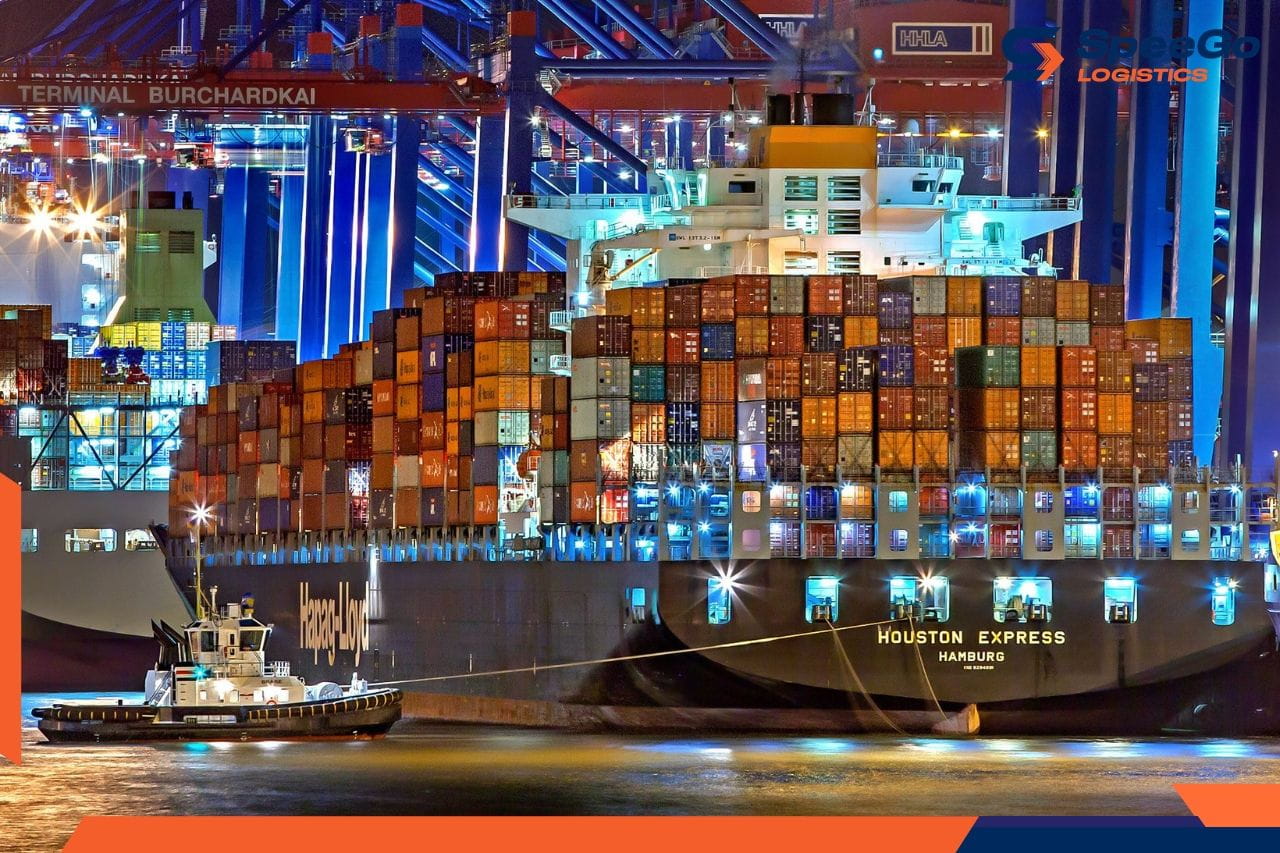
Global Supply Chain refers to supply chain activities that span multiple countries.
Example:
A U.S. beauty products company might organize its supply chain as follows:
Design in the U.S. → Raw materials from China → Manufacturing in Vietnam → Ocean Freight to the U.S. → Fulfillment Center in Texas → Customers across the U.S.
In this case, the supply chain does not operate within a single country. Each market plays a different role in getting products to the end customer.
Or, in a simpler example:
A U.S. business sources and manufactures products in China, then imports them into a fulfillment warehouse in Texas.
This is also an international supply chain, with China as the origin and the United States as the destination.
Why Is the Supply Chain Important for Businesses?
The importance of the Supply Chain becomes even more apparent when businesses face potential disruptions involving suppliers, transportation, and trade policies.
A 2025 survey by Sphera found that 73% of surveyed supply chain leaders had experienced supplier disruptions in the previous 12 months. Among these companies, nearly one-quarter (23%) reported significant revenue or cost losses.
The Supply Chain determines whether a business can deliver the right products, in the right quantities, at the right time, and at a reasonable cost.
A well-organized supply chain does more than reduce costs. It can also give businesses a direct competitive advantage.
Ensuring a Reliable Supply
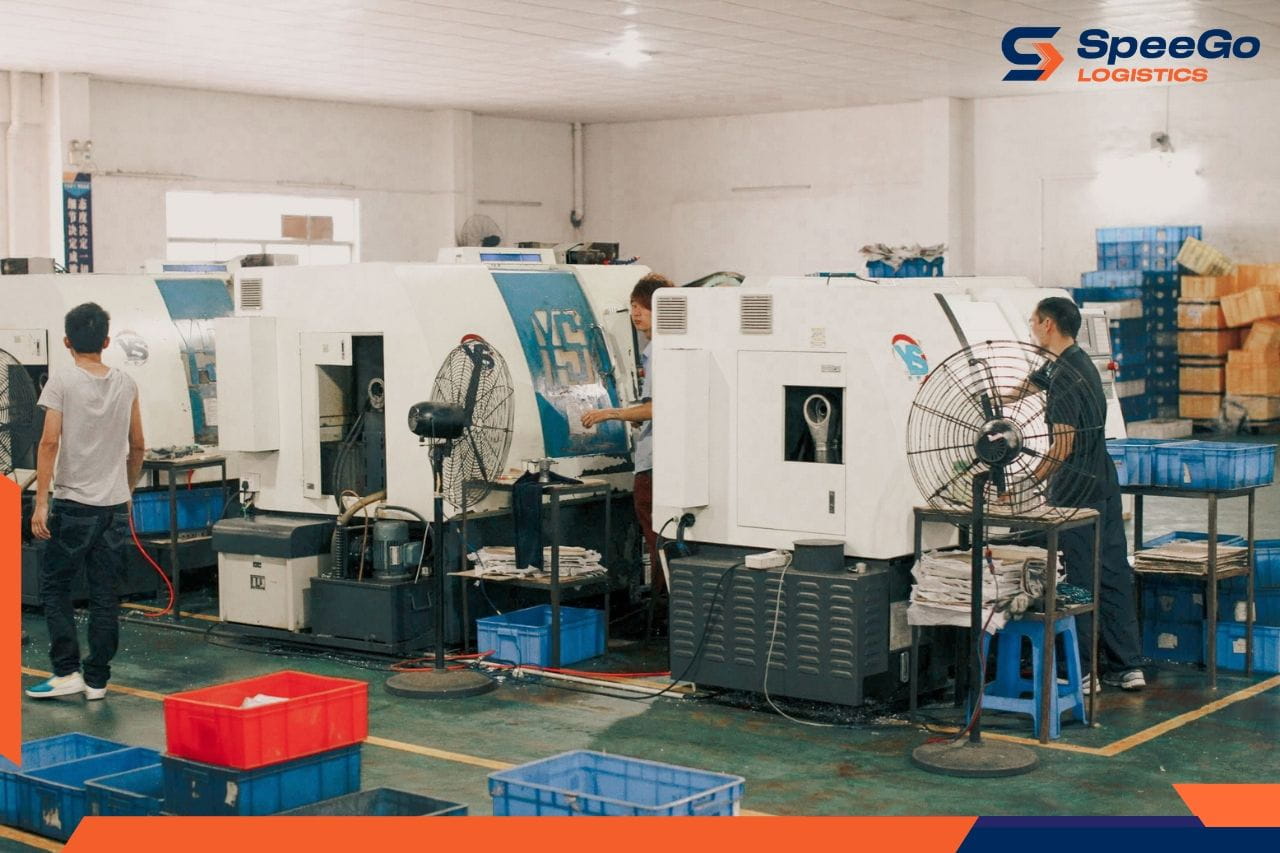
Effective supply chain management helps businesses ensure a reliable supply of goods.
Businesses that depend on a single supplier or a particular country may face supply risks when market conditions change.
That is why businesses need to build an appropriate supplier network to maintain greater flexibility when supply conditions shift.
A well-organized supply chain can help businesses reduce the risks associated with product availability and supply disruptions.
Example:
A U.S. fashion business primarily imports products from China.
If one link in its supply chain, such as logistics or transportation, experiences delays, the disruption can affect product availability and prevent the business from meeting customer demand.
Reducing Operating Costs
Costs across an international supply chain can arise at multiple stages, including procurement, manufacturing, inventory, warehousing, transportation, and distribution.
Optimizing each link can have a significant impact on total supply chain costs.
For example: Choosing a low-cost supplier located far away may increase transportation and warehousing expenses.
The scale of logistics spending also highlights why Supply Chain Management needs to take a broader, end-to-end approach.
According to the 2025 State of Logistics Report, total U.S. business logistics costs reached approximately $2.6 trillion in 2024, equivalent to 8.7% of U.S. GDP.
Improving Logistics Efficiency
Supply Chain Management gives businesses an end-to-end view of their operations, allowing them to optimize transportation activities more effectively.
Example: A cheaper transportation option with a longer transit time may not necessarily be the best choice. Longer delivery times can increase inventory holding costs and affect product availability.
Enhancing Customer Experience

Ensuring a reliable supply of goods helps improve the end-customer experience.
Customers expect to find products available in stores or receive their orders on time. As a result, demand forecasting, inventory control, and fulfillment capabilities can have a significant impact on the customer experience.
Strengthening Competitive Advantage
A flexible supply chain enables businesses to respond more quickly to changes in demand, supply availability, and logistics costs.
This is particularly important for U.S. businesses that source and import products from multiple international markets.
What Are the Biggest Supply Chain Risks?
It is important to remember that an international supply chain involves multiple interconnected activities. A problem at just one stage can affect the entire network.
For U.S. businesses sourcing and importing products from China and other international markets, the following are some of the most significant risks to consider:
- Supplier Risks: Late deliveries, inconsistent product quality, price changes, and other supplier-related issues.
- Transportation Risks: Port congestion, schedule changes, and unexpected transit time increases.
- Inventory Risks: Stockouts or excessive inventory.
- Political and Tariff Risks: Changes in import policies, trade regulations, and geopolitical conflicts.
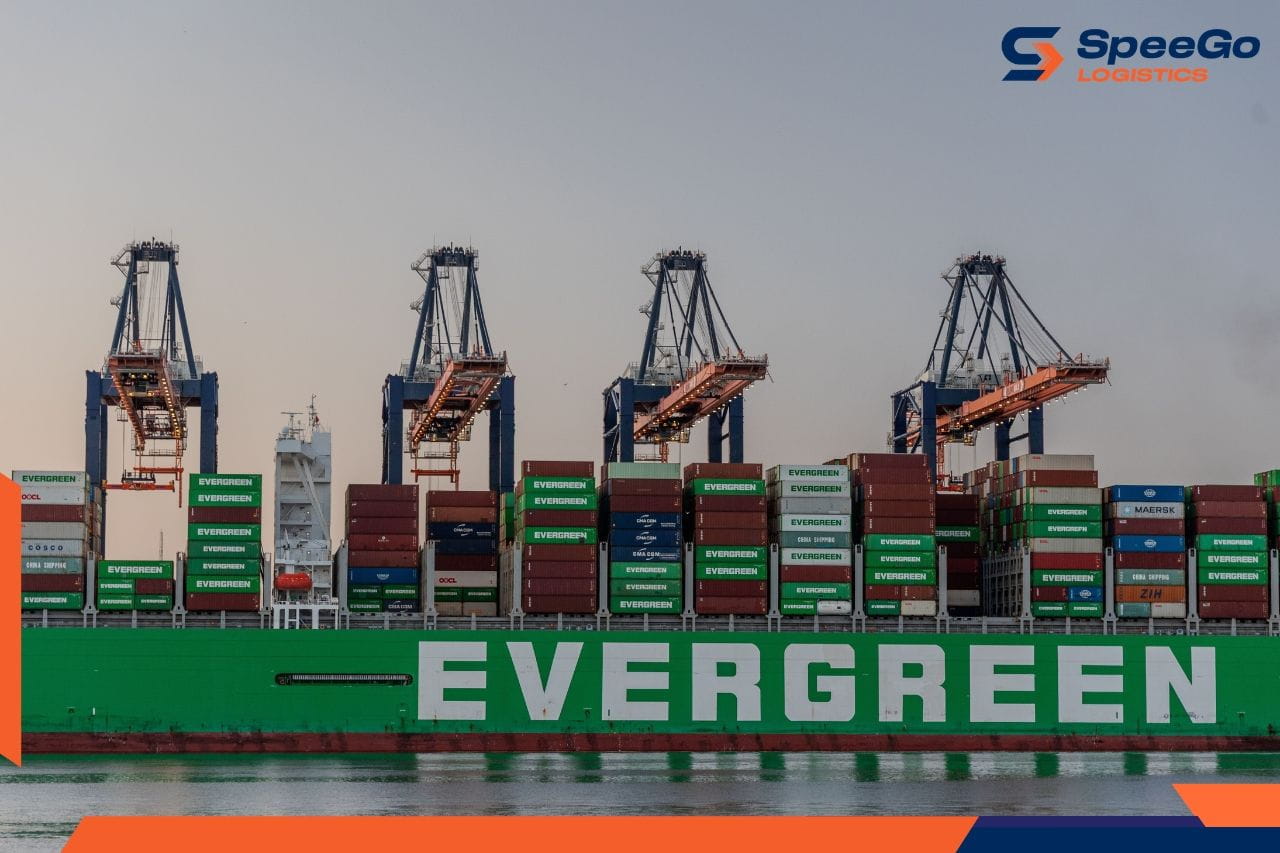
Businesses need to be aware of the many risks involved in supply chain management.
The Supply Chain Process Under the SCOR Model
The SCOR Model (Supply Chain Operations Reference) provides a framework for modeling and managing supply chain processes.
Simply put, SCOR helps businesses understand and map out the activities taking place across their supply chains.
Under the SCOR model, the supply chain process consists of five main stages:
- Plan: Planning demand, supply, inventory, and resources.
- Source: Finding suppliers and procuring goods.
- Make: Manufacturing and processing finished products.
- Deliver: Warehousing, transportation, distribution, and delivery.
- Return: Managing returned goods.
Let’s take a closer look at the activities involved in each stage.
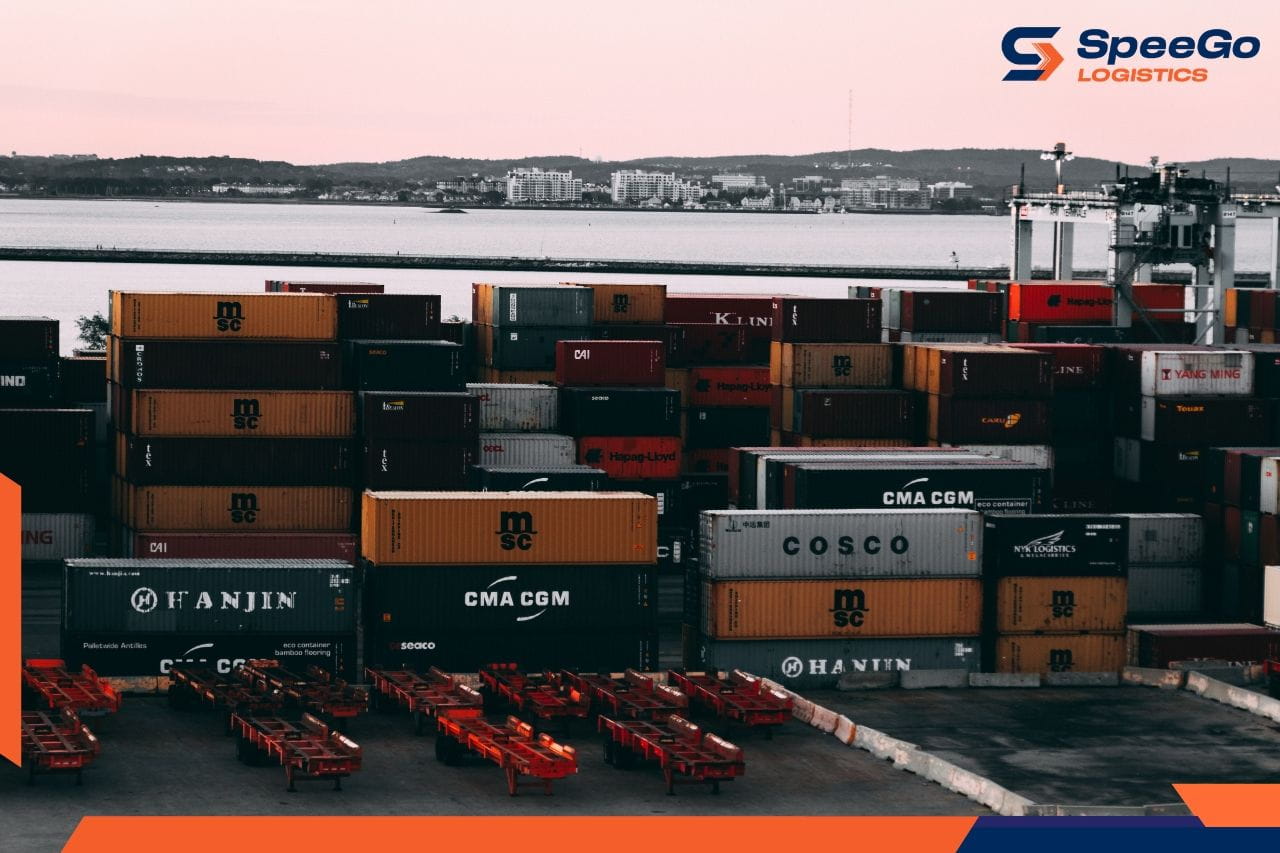
What do you know about the SCOR model in supply chain management?
Planning (Plan)
This stage covers planning based on market demand, supply availability, production capacity, inventory levels, and transportation capacity.
Businesses need to forecast demand and balance available resources to ensure they have sufficient inventory without holding excessive stock.
Example:
Company A in the U.S. specializes in nail products and forecasts a significant increase in demand over the next two months. It needs to develop a detailed plan for sourcing, manufacturing, inventory, and transportation in advance.
Sourcing and Procurement (Source)
This stage covers finding suppliers, evaluating supplier performance, and procuring raw materials or finished products for the supply chain.
If your business sources products internationally, you may need to:
- Find suitable products and suppliers.
- Evaluate and select suppliers.
- Negotiate prices and MOQs.
- Manage supplier relationships.
Manufacturing (Make)
This stage covers product manufacturing and processing activities. Businesses can manufacture products in-house or outsource production to ODM/OEM factories.
These activities may include:
- Production planning.
- Manufacturing.
- Quality control.
- Packaging.
The main objective of this stage in the SCOR supply chain process is to ensure products are manufactured on schedule, in the required quantities, and to the expected quality standards.
Delivery (Deliver)
This stage covers the transportation of goods from manufacturing facilities to customers’ warehouses or designated distribution points.
It is closely connected to several logistics activities, including:
- Warehousing.
- Order management.
- Transportation.
- Customs clearance.
- Distribution.
- Order fulfillment.
Returns (Return)
This stage covers the handling of goods returned by customers, retailers, or other parties in the supply chain.
Depending on the situation, businesses may need to manage product returns, refunds, return reasons, and reverse logistics.
This is an important part of Supply Chain Management because costs and customer experience depend not only on how products are delivered but also on how businesses handle issues when they arise.
Related Articles
What Are the Most Common Supply Chain Models?
Continuous Flow, Agile, Lean, Flexible, and Custom Configured are common supply chain models, each designed to meet different business needs.
Many supply chain models are widely adopted by large businesses.
However, no single model is suitable for every business.
- Agile Supply Chain: Prioritizes the ability to respond quickly to demand fluctuations. It is suitable for trend-driven products and markets where demand changes rapidly.
- Lean Supply Chain: Focuses on eliminating non-value-added activities and reducing waste, such as waiting times and excess inventory.
- Flexible Supply Chain: Allows businesses to adjust suppliers, manufacturing operations, or logistics activities when market conditions change.
- Custom Configured Supply Chain: Is designed around the specific characteristics of individual products or customer groups.
Real-World Supply Chain Examples
To better understand how supply chains work, let’s look at some typical examples across different industries.
Retail Supply Chain Example
Walmart is a notable example of an efficient retail supply chain. Walmart uses automated inventory management systems and connects in-store sales data directly with suppliers, helping reduce replenishment times and optimize warehousing costs.
Manufacturing Supply Chain Example
In the automotive industry, companies such as Toyota use lean manufacturing principles, receiving raw materials only when they are needed for production to reduce inventory.
Meanwhile, pharmaceutical and food businesses often prioritize resilient supply chain models because of strict requirements for shelf life, temperature-controlled storage, and product traceability.
Global Supply Chain Example for Vietnamese E-commerce Sellers Shipping to the U.S.
For Vietnamese sellers operating on international e-commerce marketplaces, a typical supply chain may involve a manufacturing facility in Vietnam or China, a cargo consolidation provider, an international freight forwarder, a fulfillment warehouse in the U.S., and a last-mile delivery provider.
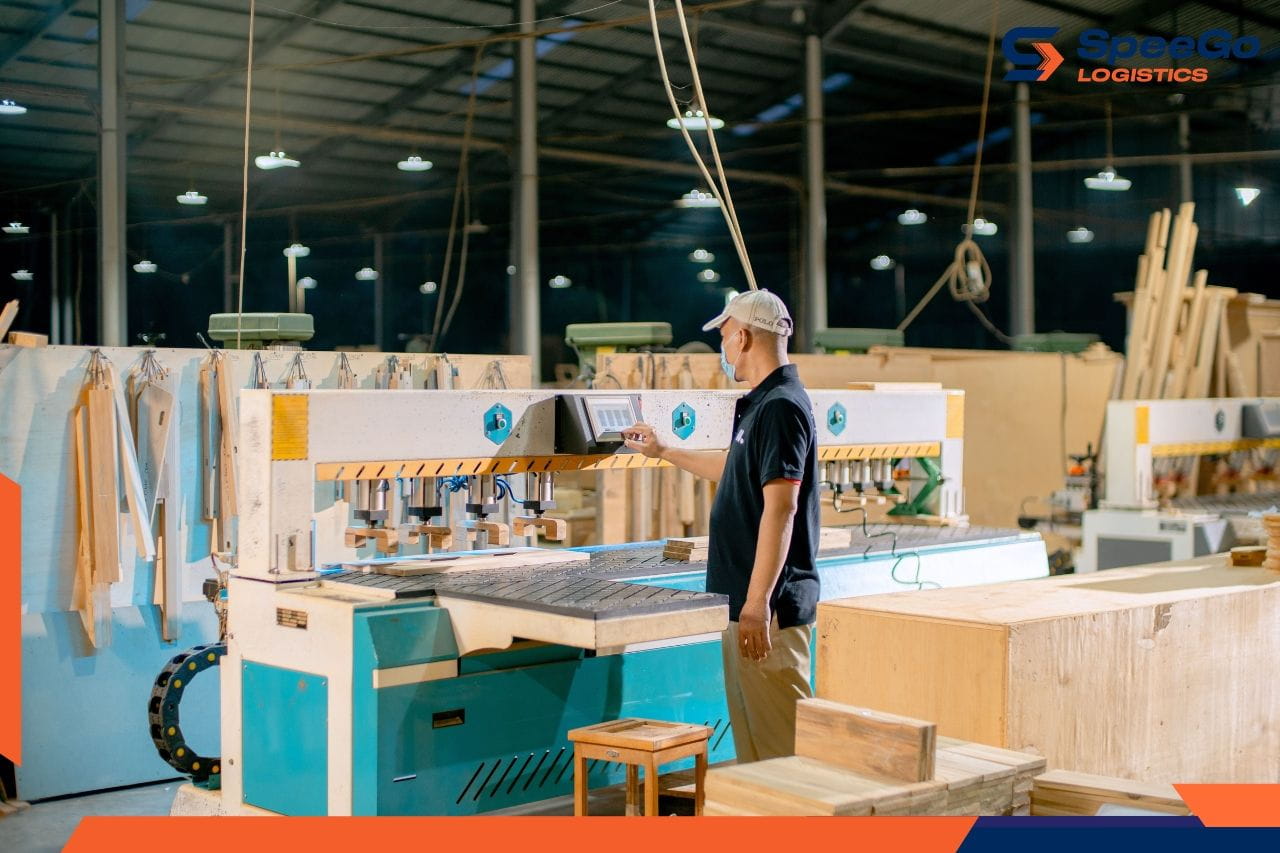
For sellers, choosing a reliable supplier is extremely important.
SpeeGo Logistics participates in this supply chain as a 3PL provider, helping sellers move goods from facilities in Vietnam to the point where they are ready for delivery to customers in the U.S., Canada, and Australia.
Supply Chain is the entire network connecting the original source of supply to the end customer, while Logistics is just one part of that network.
If your business is building or expanding an international supply chain, start by evaluating each link: suppliers, shipping routes, costs, inventory, and delivery destinations.
This will help you identify which areas need to be optimized first and where contingency plans are needed to manage potential risks.
Follow SpeeGo Logistics for the latest updates on ocean freight, logistics, and global supply chain management.
