
What Is Logistics? How Is It Different From Supply Chain?
Logistics is the process of planning, organizing, and controlling the movement of goods, information, and related activities from the point of origin to the final destination.
It is more than just a back-end business function. Logistics also plays a vital role in the global economy. According to UNCTAD, logistics and the delivery sector account for approximately 15% of global GDP, highlighting the industry’s significant scale and importance to international trade.
Within the supply chain, logistics connects suppliers, businesses, warehouses, transportation providers, and customers, helping goods move smoothly from origin to destination.
Logistics is more than just the transportation of goods.
So, what activities does logistics actually involve? How does the process work? What are the most common types of logistics, and what trends are shaping the industry’s future?
Let’s take a closer look in this guide from SpeeGo Logistics.
What Is Logistics?
Logistics refers to the range of activities involved in managing and coordinating the flow of goods, information, and related resources from the point of supply to the point of consumption or final delivery.
The goal is not simply to move goods from point A to point B. It is to deliver the right products to the right place, in the right quantities, and on schedule.
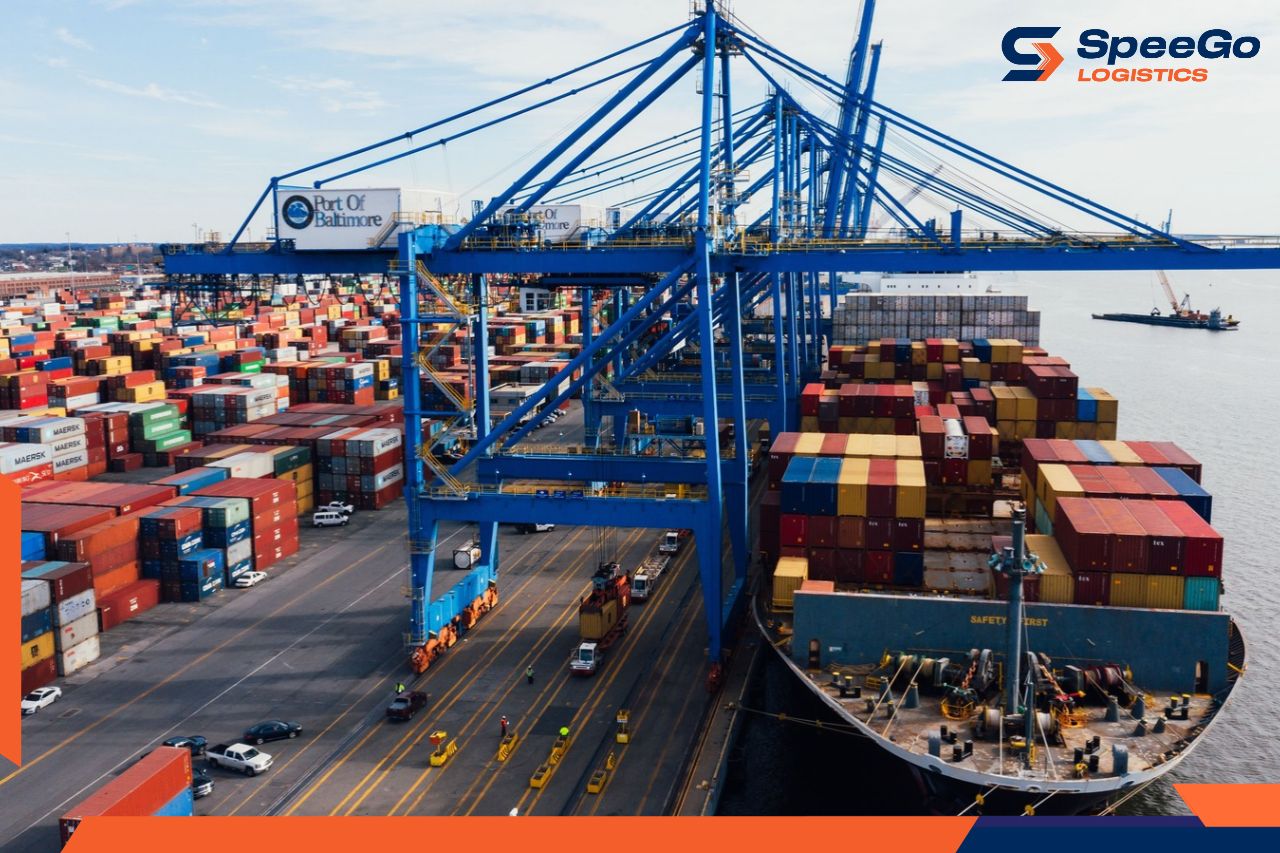
Logistics is the process of planning and controlling the flow of goods.
Example:
Company A exports a shipment of cosmetics from Vietnam to the United States.
The company does not simply hire a vessel to transport the shipment. Several other steps are involved, including preparing the cargo, labeling, transporting it to the port, completing customs declarations, handling the required documentation, and tracking the shipment throughout its journey.
Clearly, transportation is just one part of a broader set of logistics activities. And logistics itself is only one component of the overall supply chain.
How Is Logistics Different From Transportation?
Transportation focuses on moving goods or people from point A to point B. Logistics, on the other hand, covers transportation as well as related activities such as warehousing, documentation, and packaging.
Simply put, transportation is one activity within logistics, while logistics involves much more than transportation alone.
The table below highlights the key differences:
| Transportation | Logistics |
|---|---|
| Focuses on moving goods or people from one location to another | Manages the overall flow of goods and related activities |
| Primarily involves transportation modes, vehicles, and routes | Includes transportation, warehousing, inventory management, packaging, customs clearance, and more |
| Is one activity within logistics | Has a broader scope than transportation |
How Is Logistics Different From Supply Chain Management?
While logistics focuses on managing the movement and storage of goods from origin to destination, Supply Chain Management (SCM) covers the entire supply chain, from raw material sourcing and manufacturing to logistics and distribution.
Example:
Company A sources fabric from China, manufactures its products in Vietnam, then ships them to the United States for warehousing and sale to local consumers.
In this case:
- Logistics covers transportation, warehousing, customs paperwork, shipping documents, and related activities.
- Supply Chain Management covers supplier selection, production control, demand forecasting, logistics, distribution, and more.
In simple terms:
Transportation is one part of logistics, while logistics is one part of Supply Chain Management.
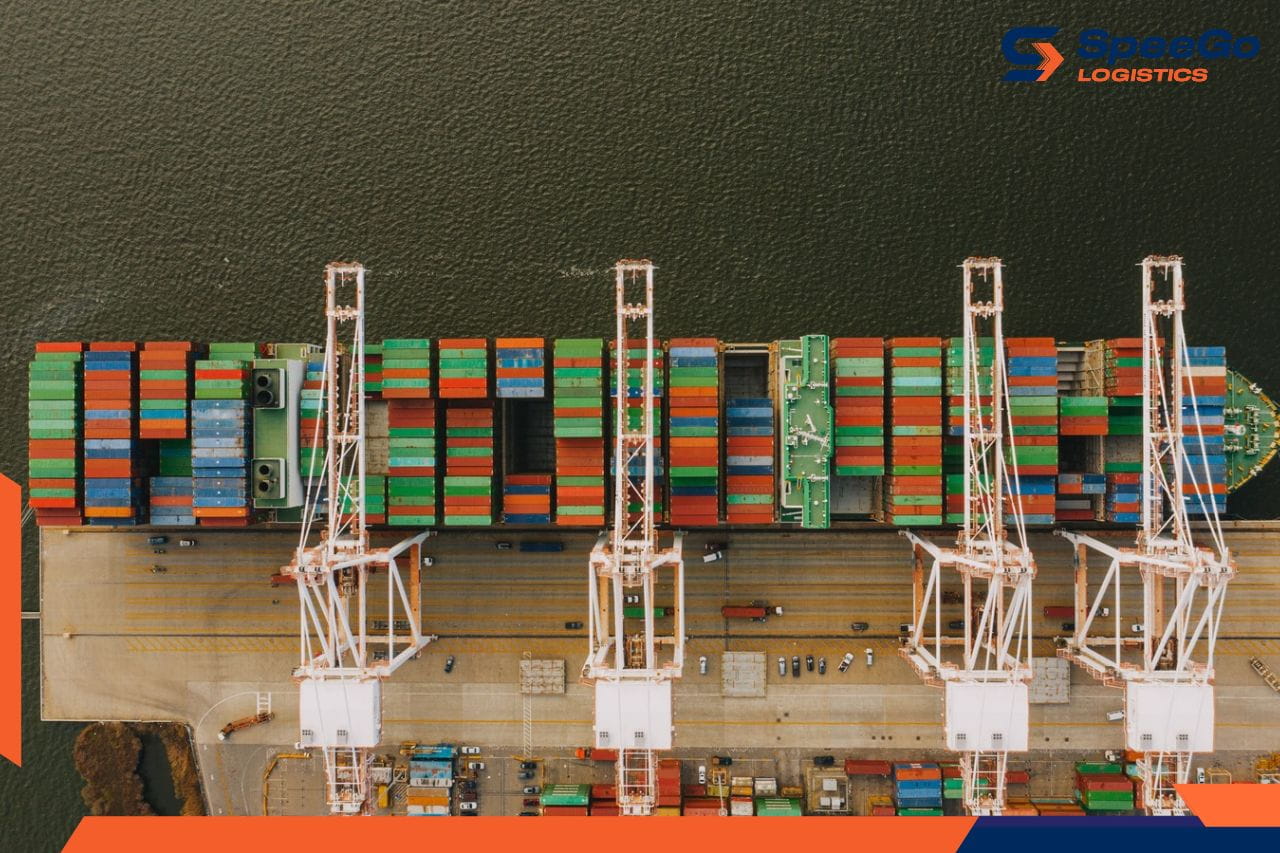
Logistics is only one part of the supply chain.
Why Is Logistics Important for Businesses?
An efficient logistics system does more than ensure smooth cargo transportation. It directly affects operating costs, operational speed, the ability to meet customer demand, and a company’s capacity to expand into new markets.
Reducing Operating Costs
Costs can arise at various stages of logistics operations, including transportation, cargo handling, loading and unloading, inventory storage, and import/export procedures.
Optimizing shipping routes, transportation modes, and packaging methods can help businesses reduce a significant amount of unnecessary operating expenses.
Improving Delivery Speed
A well-organized logistics system enables businesses to manage inventory more proactively and accelerate order fulfillment and delivery. This helps prevent supply disruptions that could negatively affect the customer experience.
Customers care about more than just product quality. They also pay close attention to questions such as:
- How long will delivery take?
- Where is their order right now?
- Will it arrive on time?
For many businesses, especially e-commerce companies, supply disruptions can lead to poor customer experiences and lost revenue. These are issues that businesses simply cannot afford to ignore.
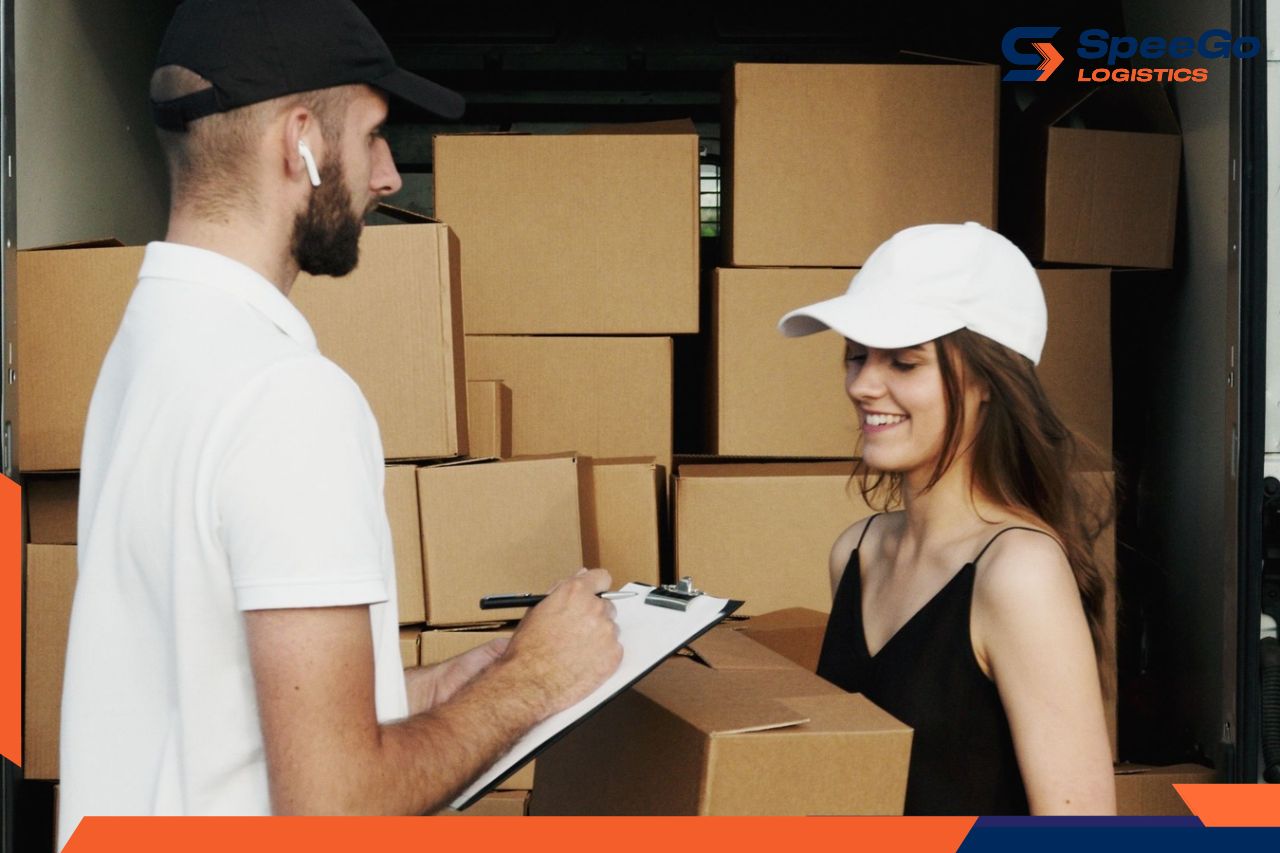
Effective logistics helps businesses minimize supply chain disruptions.
Strengthening Competitive Advantage
Two businesses may sell similar products, but the one with a more efficient logistics system can gain an advantage through faster delivery times and better cost control.
As market competition becomes increasingly intense, logistics is no longer just about moving goods. It can also be an opportunity for businesses to build a competitive advantage and differentiate themselves.
Making Market Expansion Easier
When businesses expand into international markets, logistics becomes essential as a link between the company and its overseas customers.
An efficient logistics system can help businesses manage international shipping, warehousing, customs clearance, documentation, and domestic delivery more effectively:
Related Articles
What Activities Does Logistics Include?
Logistics involves a range of closely interconnected activities. These begin when a business starts planning its inventory requirements and continue until the goods reach the customer, including any returns that may occur afterward.
Depending on the size and operational capabilities of a business, it can manage all these activities in-house or outsource one or more parts of its logistics operations.
In general, logistics includes the following activities:
- Logistics planning
- Order processing
- Packaging and labeling
- Warehousing
- Inventory management
- Freight transportation
- Customs clearance
- Distribution and delivery
- Reverse logistics
Let’s take a closer look at each activity.
Logistics Planning
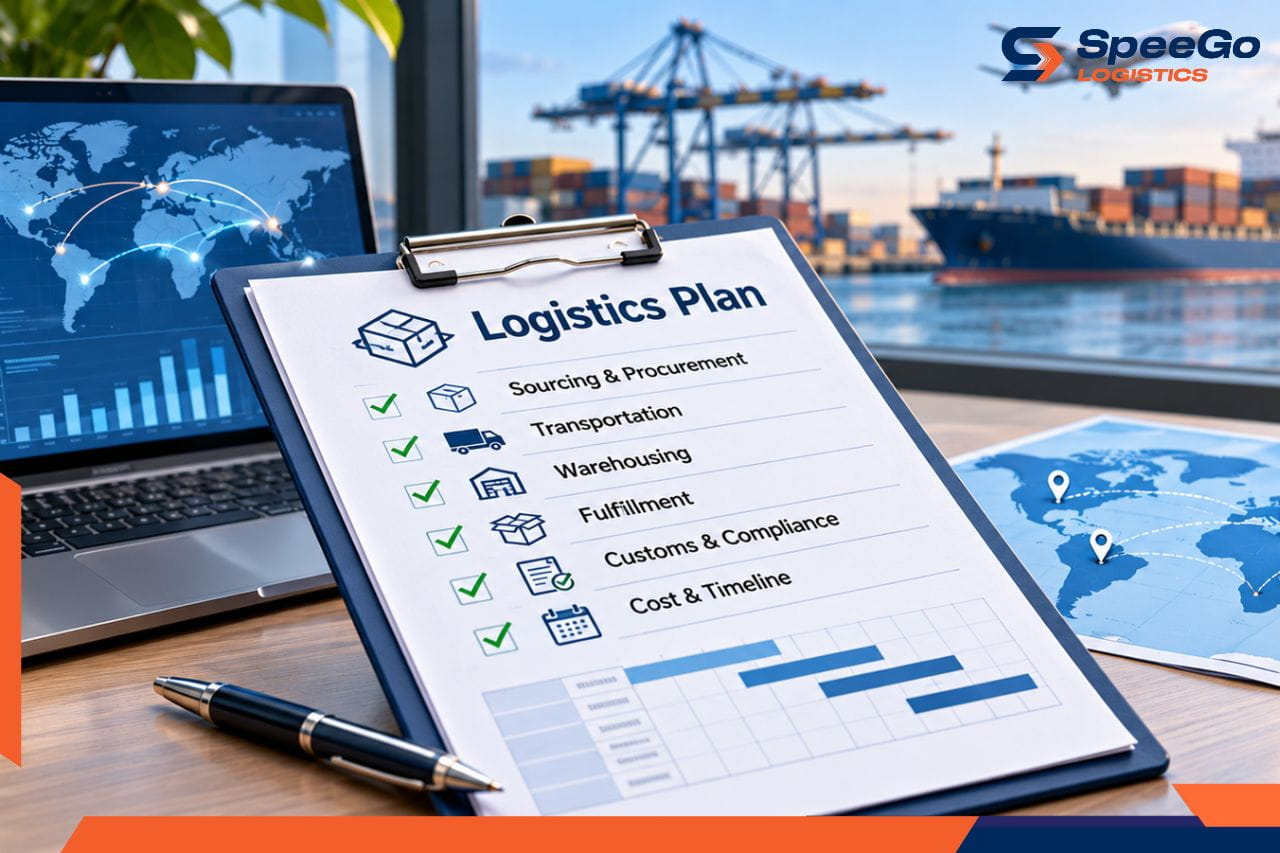
Planning is one of the most important steps in logistics operations.
This stage involves determining how much cargo needs to be transported, where it will move from and to, which transportation mode to use, how long the journey will take, and how much warehouse capacity will be required.
A well-developed logistics plan helps coordinate subsequent activities more efficiently.
Order Processing
This activity involves receiving, verifying, and processing order information before goods are prepared for shipment.
In e-commerce, order processing is often directly connected to sales platforms and fulfillment warehouse systems to reduce manual tasks and streamline operations.
Packaging and Labeling
Goods must be packaged appropriately based on their characteristics and the transportation methods being used.
In addition to packaging materials, businesses may use barcodes, shipping labels, SKU codes, and other required information to support cargo handling, identification, and delivery.
Warehousing
Warehousing involves receiving, storing, organizing, and dispatching goods.
An effective warehouse location is not simply about having enough space. It must also optimize storage locations, inbound and outbound processes, and inventory visibility.
Inventory Management
Inventory management helps businesses keep track of important information, such as:
- How much inventory is available?
- Where is each product or SKU stored?
- Which products are running low?
- Which products have been sitting in storage for too long?
This is one of the most important activities in logistics, particularly for businesses managing a large number of SKUs or selling across multiple distribution channels.
Freight Transportation
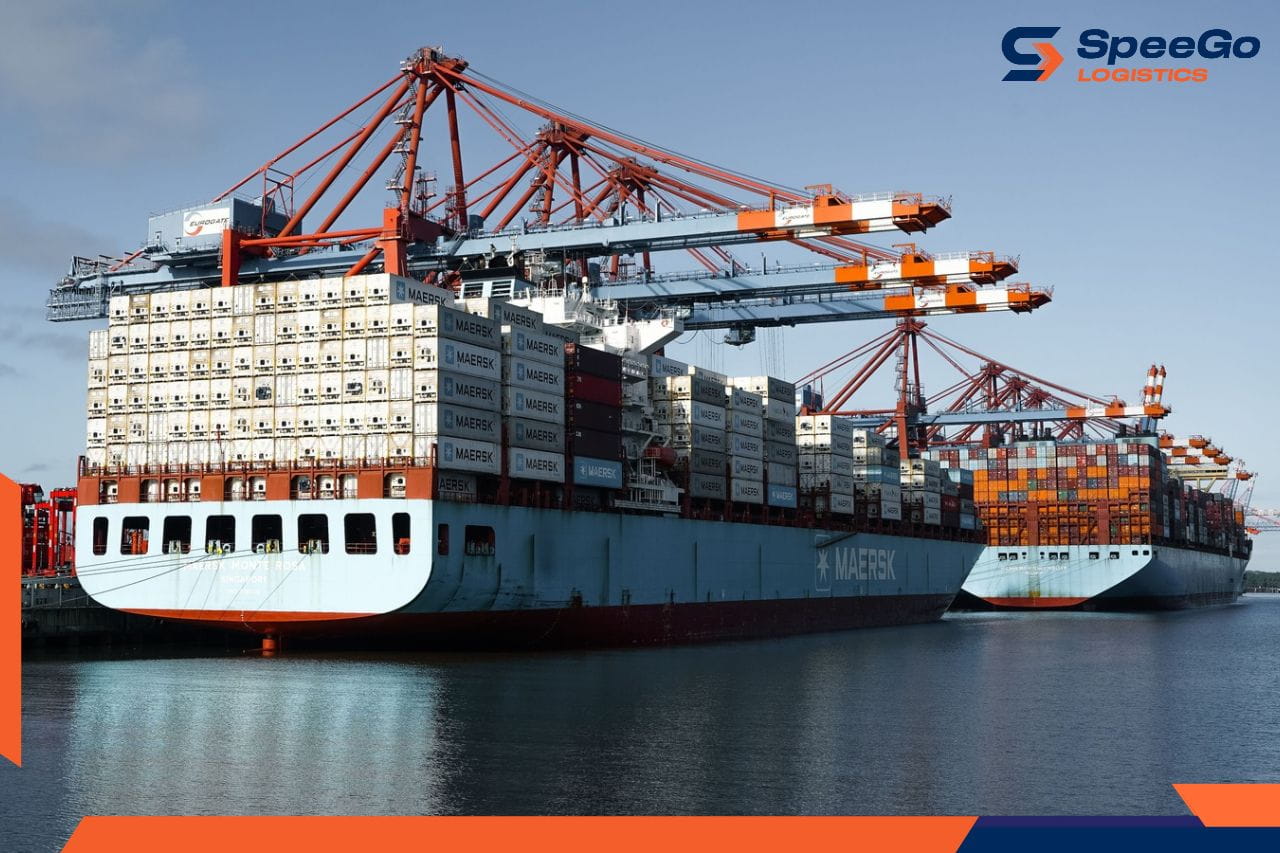
Businesses and logistics providers need to agree on the transportation method.
This activity involves moving goods between locations using different transportation modes, including ocean freight, air freight, road freight, and rail freight.
Businesses and logistics providers can choose one mode or combine several, depending on the route, cost, delivery time, and type of cargo.
Customs Clearance
For international shipments, logistics also involves preparing shipping documents, submitting customs declarations, and completing other required procedures to clear goods through customs.
This is a particularly important activity because delays or issues during customs clearance can disrupt the entire logistics process.
Distribution and Delivery
Once goods arrive at their destination, they may be transferred to a warehouse before being delivered to retail stores, businesses, or end consumers.
Reverse Logistics
Reverse logistics involves moving goods back from customers to the business. Common situations include customer returns and exchanges, defective products, warranty claims, product recalls, and failed deliveries.
How Does the End-to-End Logistics Process Work?
For an international shipment, the logistics process typically starts with identifying cargo requirements, moves through preparation and international transportation, and ends when the goods arrive at the business’s warehouse or designated delivery address.
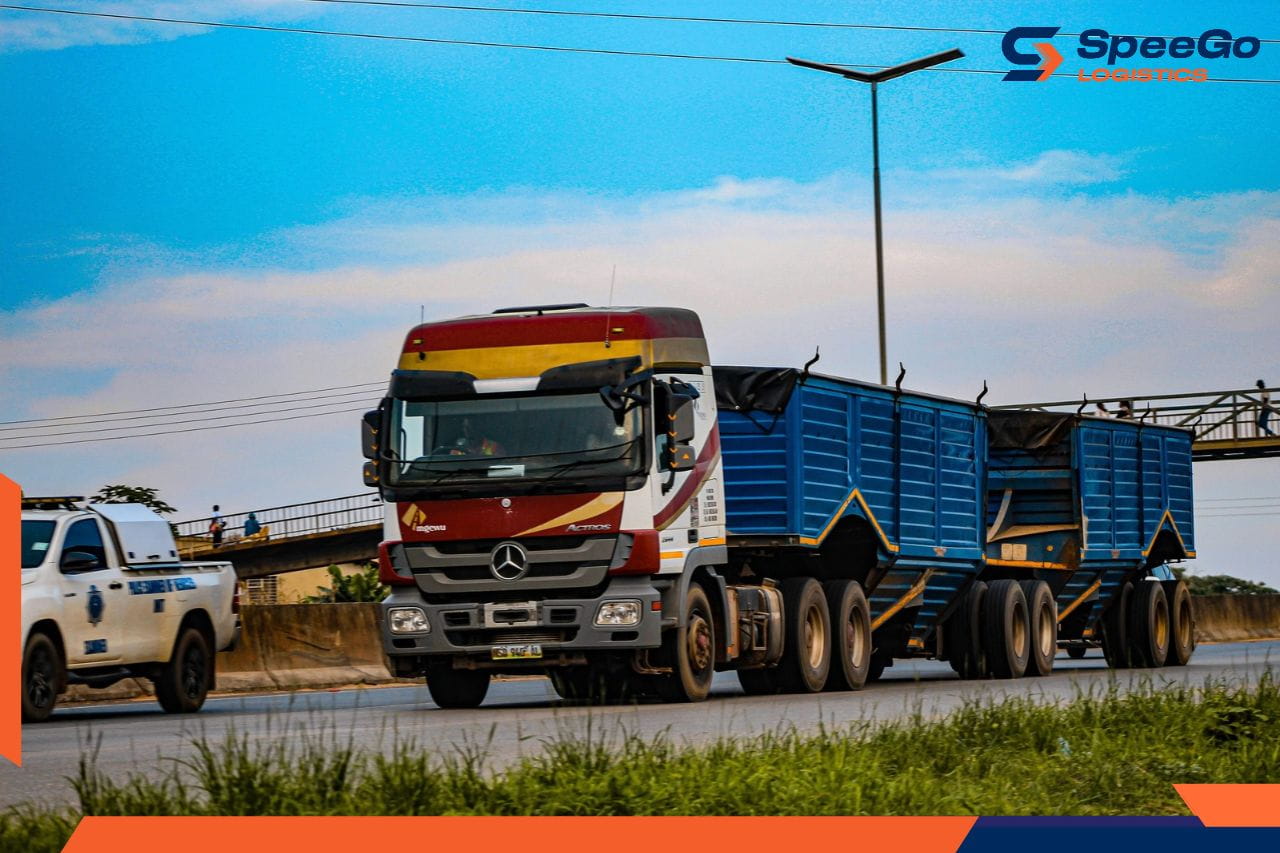
The logistics process typically involves six main steps.
An end-to-end logistics process can generally be divided into six steps:
Identify cargo requirements and import conditions → Agree on terms and select a transportation mode → Book a logistics provider and prepare cargo and documentation → Ship and track the cargo → Complete customs clearance and handle applicable fees and procedures → Receive the goods, arrange last-mile delivery, and complete the process.
SpeeGo Logistics has published a more detailed guide covering all six steps. You can read it here: International Logistics Process: A Complete 6-Step Guide.
What Are the Most Common Types of Logistics?
Logistics is commonly classified based on the direction of goods movement and the level of outsourcing involved in business operations.
- By the direction of goods movement: Inbound Logistics, Outbound Logistics, Internal Logistics, and Reverse Logistics.
- By the level of outsourcing: First-Party Logistics (1PL), Second-Party Logistics (2PL), Third-Party Logistics (3PL), Fourth-Party Logistics (4PL), and Fifth-Party Logistics (5PL).
What are the characteristics of each type, and how do they differ?
Inbound Logistics
Inbound Logistics focuses on the flow of goods coming into a business.
Examples:
- Raw materials moving from suppliers to a manufacturing facility.
- Goods moving from manufacturers to warehouses.
Outbound Logistics
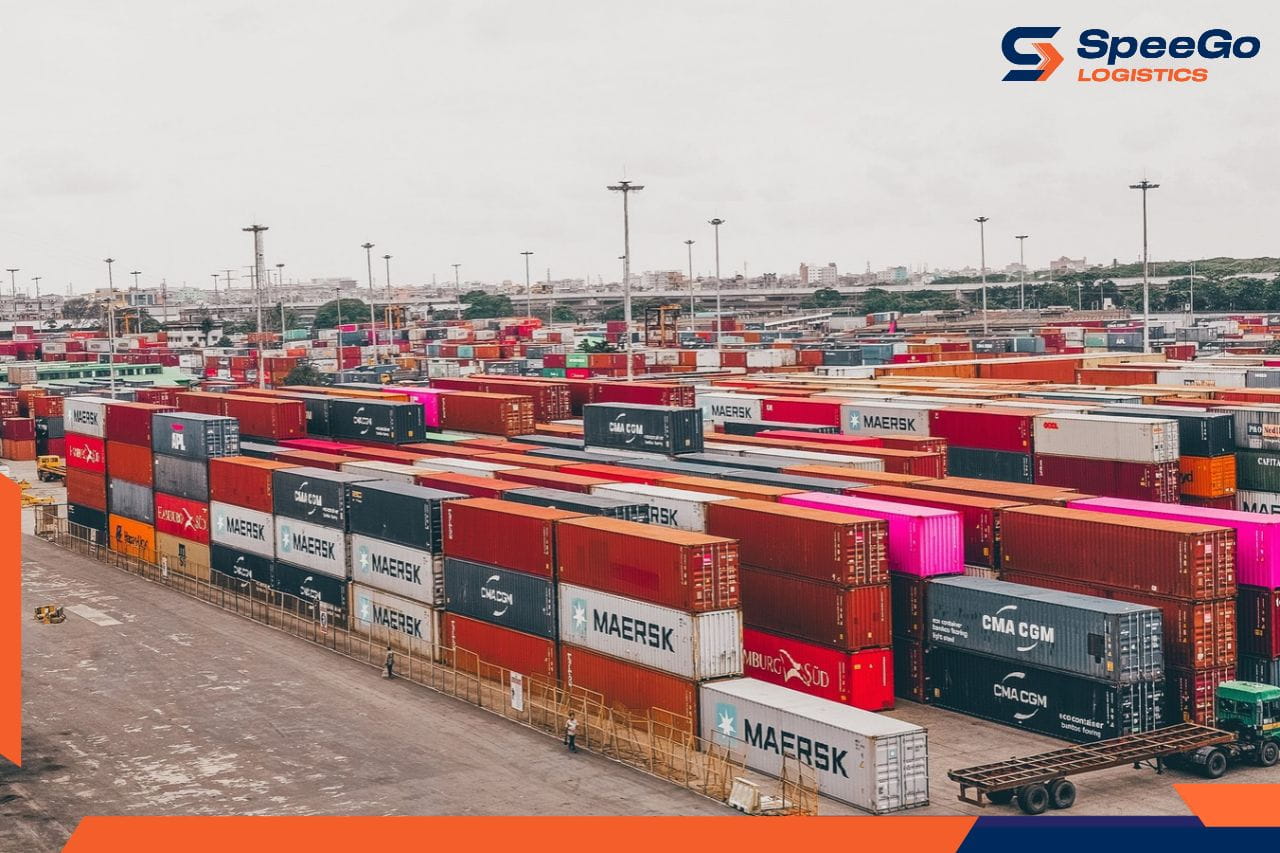
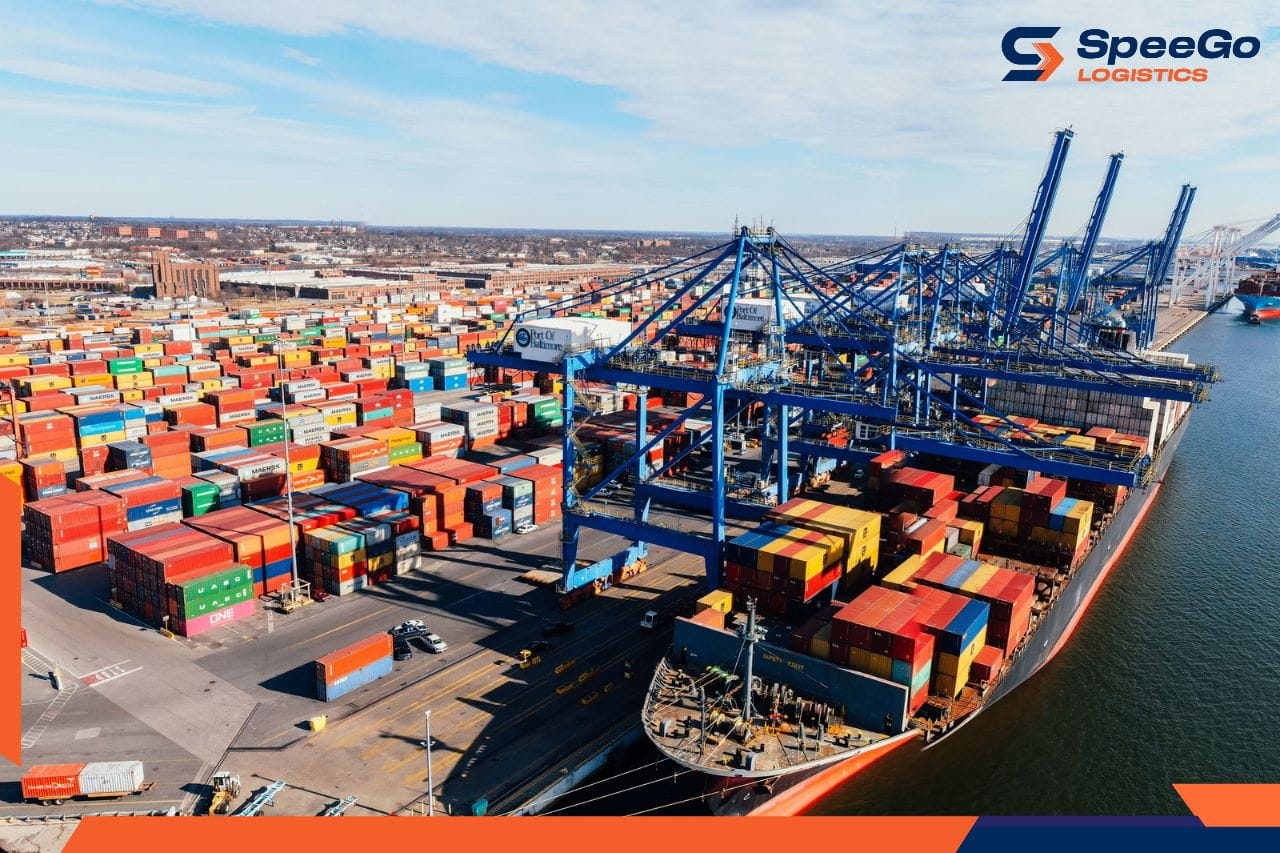
Outbound logistics is a common logistics category in international import and export operations.
Outbound Logistics manages the flow of goods leaving a business.
Examples:
- Products moving from a factory to a distributor’s warehouse.
- Goods moving from a company’s warehouse to retail locations or stores.
Internal Logistics
Internal Logistics covers the movement and management of goods within a business.
Examples:
- Raw materials being transferred between internal storage areas.
- Materials moving from a warehouse to an in-house manufacturing facility.
Reverse Logistics
Reverse Logistics manages the flow of goods from customers back to the business.
Examples:
- Customers returning products because the business delivered the wrong style or model.
- Defective products being collected by a business or manufacturer from end users.
Logistics Classification Based on Outsourcing Levels
How well do you understand the concepts of 1PL, 2PL, 3PL, 4PL, and 5PL?
Based on the level of outsourcing, logistics can also be divided into five main types:
- First-Party Logistics (1PL): The business manages and operates its own logistics activities in-house.
- Second-Party Logistics (2PL): The business hires a provider for a specific service, such as transportation or warehousing.
- Third-Party Logistics (3PL): The business outsources multiple logistics activities to a third-party provider.
- Fourth-Party Logistics (4PL): The business hires a provider to manage and coordinate its broader logistics network, including 3PL providers.
- Fifth-Party Logistics (5PL): The business works with a provider that manages large-scale logistics operations using technology and integrated supply chain solutions.
What Are the Current Trends in Logistics?
Logistics is rapidly shifting from operations that rely heavily on manual processes toward models driven by data, automation, and real-time connectivity.
According to Allied Market Research, the Fifth-Party Logistics (5PL) market is projected to reach $17.30 billion by 2035, growing at a compound annual growth rate (CAGR) of 6.5%.
However, the adoption of technology in logistics still varies considerably depending on a business’s size and operational characteristics.
AI and Automation
In modern logistics, AI technology can be used to forecast demand, optimize shipping routes, analyze operational data, and support business decision-making.
In warehouses and fulfillment centers, AI can also help accelerate order processing and reduce manual tasks.
Warehouse Automation
Automated warehouse systems and equipment, such as robots, sorting systems, and warehouse management technologies, can help businesses process large order volumes more efficiently while saving time and resources and improving accuracy.
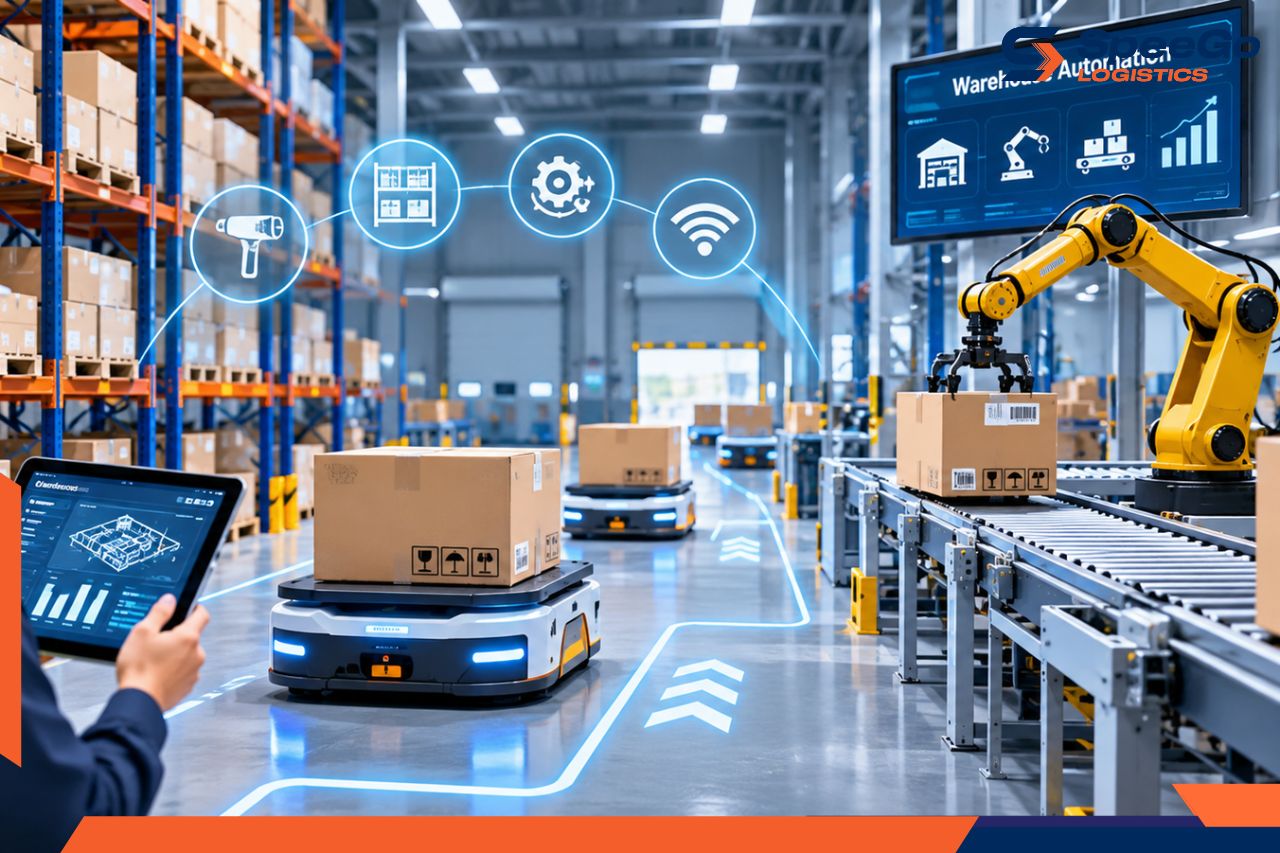
Warehouse management technology is becoming increasingly widespread.
IoT Tracking
IoT devices make it easier for businesses to monitor shipment locations and track certain conditions and parameters during transportation, such as temperature, humidity, and impact.
This is particularly important for high-value goods and products that require temperature-controlled transportation.
Green Logistics
Green Logistics focuses on reducing the environmental impact of logistics and transportation activities.
Common approaches include optimizing shipping routes, reducing fuel consumption, minimizing packaging materials, combining transportation modes more efficiently, and reducing waste.
Blockchain
Blockchain is often used to improve traceability and enable secure data sharing among different parties involved in a supply chain.
Frequently Asked Questions About Logistics
Below are answers to some of the most common questions businesses and sellers have about logistics.
What Documents Are Required for an International Shipment?
The required documentation depends on the type of goods, the origin and destination countries, and the transportation mode. However, an international shipment typically requires the following basic documents:
- Commercial Invoice
- Packing List
- Bill of Lading (B/L) for ocean freight or Air Waybill (AWB) for air freight
- Certificate of Origin (C/O)
- Customs declaration
- Relevant licenses and industry-specific certificates
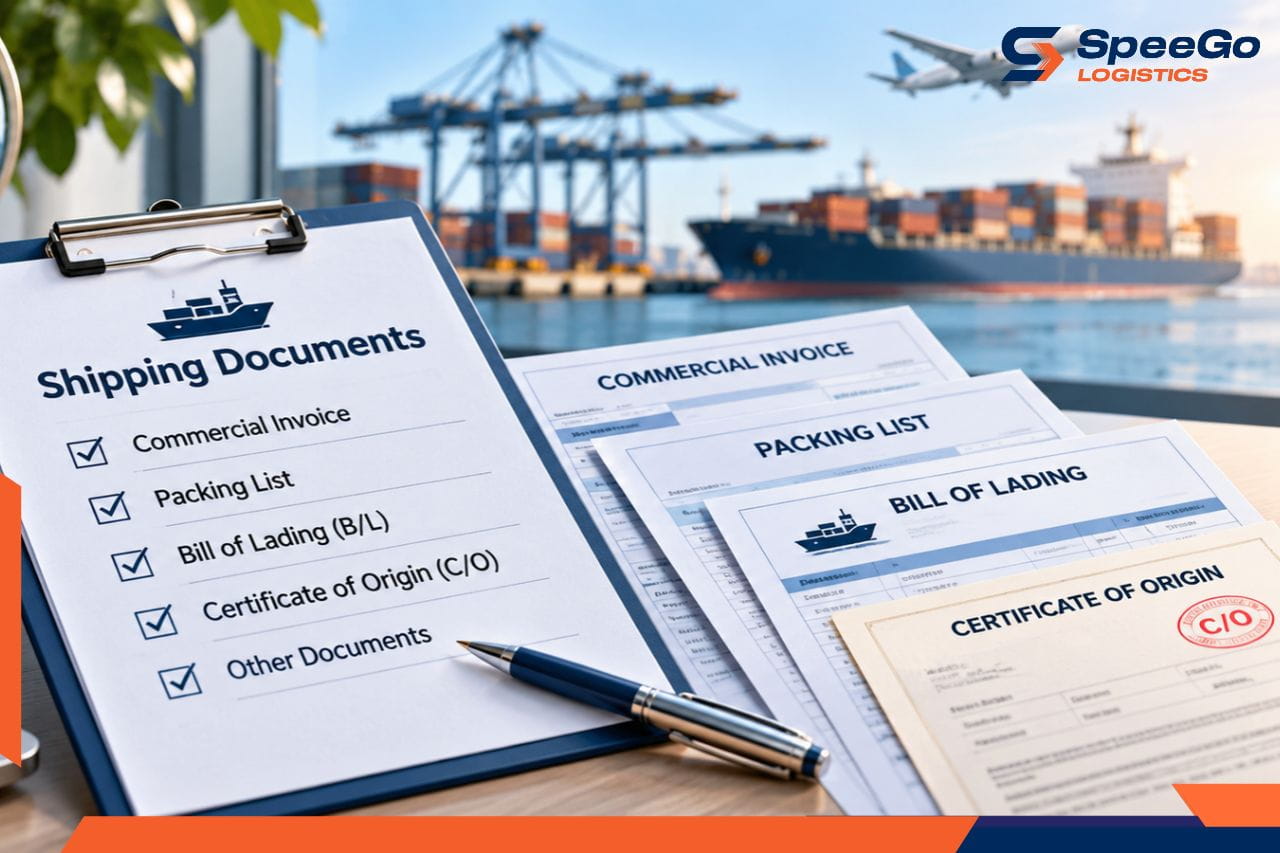
A range of supporting documents and paperwork is required for goods to clear customs.
Can International Logistics Providers Handle Less-than-Container Load Shipments?
Yes. International logistics services are not limited to large shipments or cargo that fills an entire container (FCL – Full Container Load). Smaller shipments can also be handled through Less-than-Container Load (LCL) shipping.
What Are the Common Risks in International Logistics?
Cross-border transportation involves multiple parties, transportation modes, and regulatory requirements. As a result, businesses may encounter several common risks, including:
- Shipment delays for various reasons.
- Cargo damage or loss.
- Customs clearance delays or rejection due to documentation issues.
- Unexpected additional charges.
- Risks related to trade policies and regulatory changes.
Conclusion
Logistics is much more than simply transporting goods. It is an interconnected system of activities covering planning, procurement, warehousing, inventory management, packaging, transportation, customs clearance, distribution, delivery, and returns.
As businesses expand from domestic operations into international markets, logistics becomes increasingly important.
A well-organized logistics process can help businesses control costs, shorten delivery times, improve customer experiences, and expand into new markets more effectively.
If your business is looking for an international freight and logistics partner, SpeeGo Logistics is an option worth considering.
