
What Are 1PL 2PL 3PL 4PL 5PL? How Are They Different?
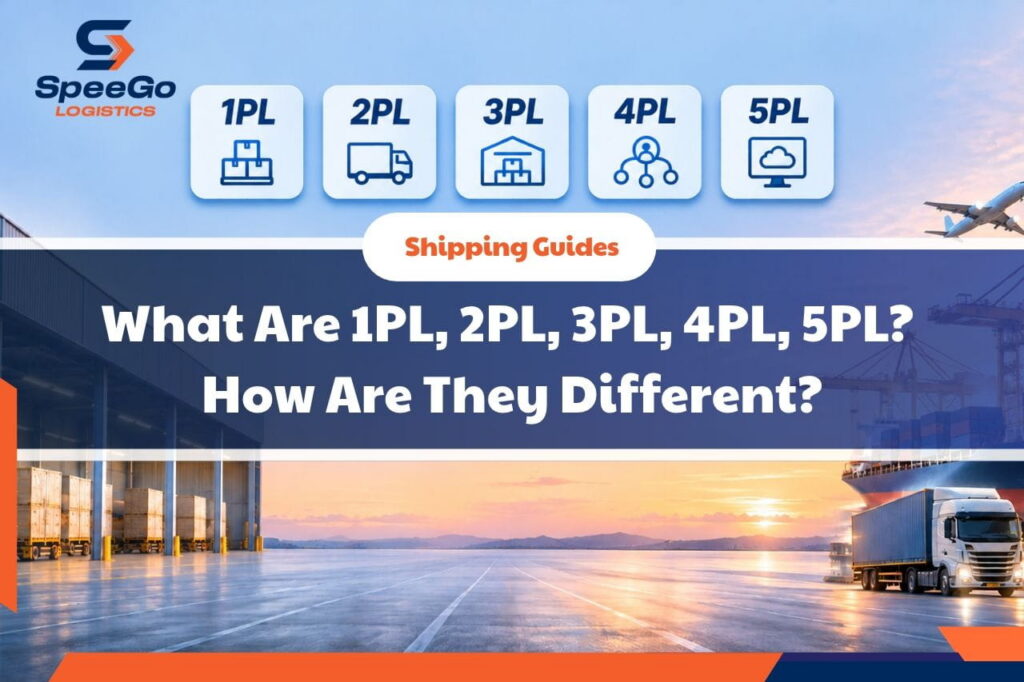
Simply put, 1PL, 2PL, 3PL, 4PL, and 5PL represent five levels of logistics organization that businesses can choose from, ranging from managing logistics in-house to outsourcing logistics operations and supply chain management entirely.
If your business is preparing to outsource transportation services, you have probably come across these logistics models.
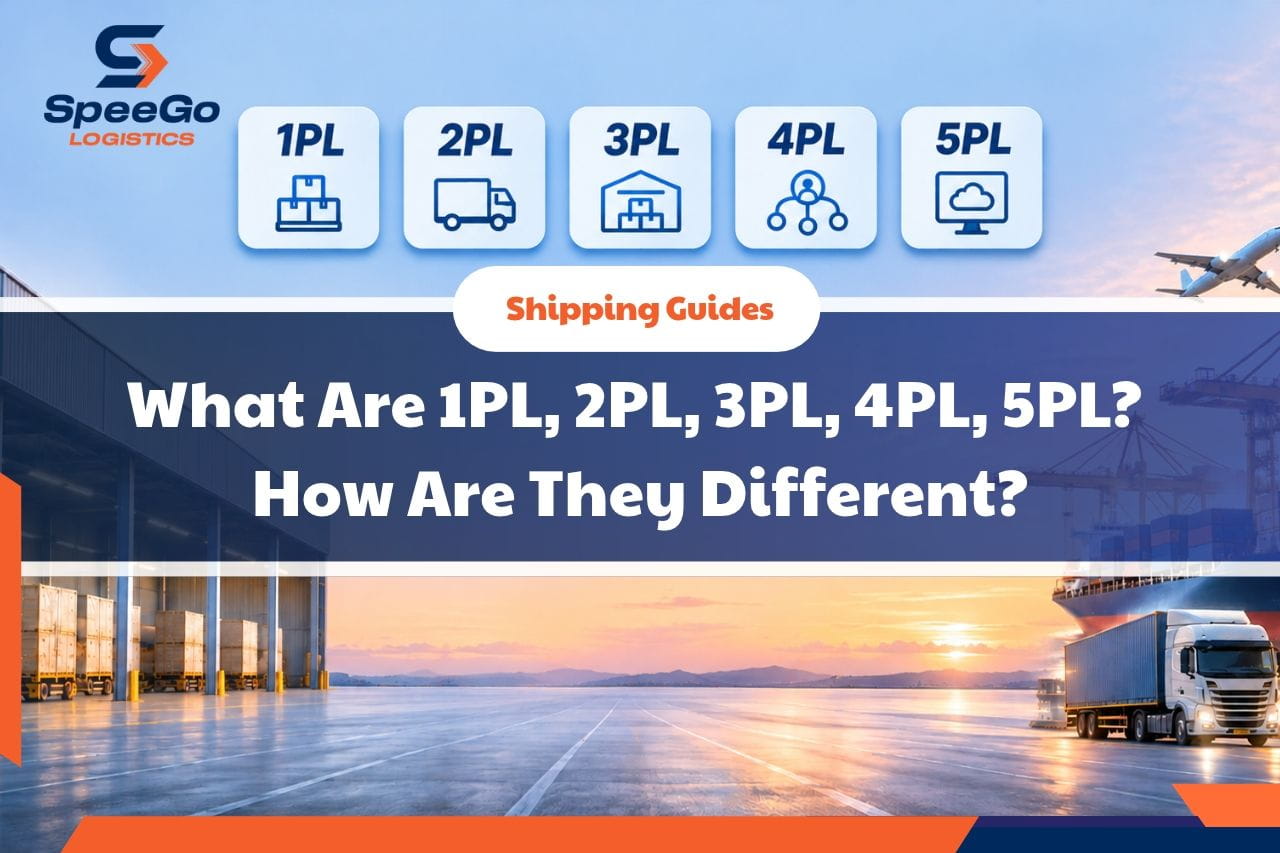
1PL, 2PL, 3PL, 4PL, and 5PL are five models representing the different levels of logistics outsourcing by businesses.
However, many businesses still confuse these models, particularly 3PL and 4PL. This can lead to choosing a logistics solution that does not fully meet their actual operational needs.
In this article, join SpeeGo Logistics to explore these five models in detail and understand which one may be the right fit for your business.
What Are 1PL, 2PL, 3PL, 4PL, and 5PL?
In practice, 1PL through 5PL are not five types of freight transportation. Instead, they represent five levels of involvement in and outsourcing of logistics activities. Each model reflects how much a business manages in-house versus delegates to external partners, covering activities such as transportation, warehousing, supply chain management, and logistics optimization.
Here’s a brief overview of each model:
- 1PL: The business manages and performs all logistics activities in-house.
- 2PL: The business hires individual transportation or logistics service providers.
- 3PL: The business outsources some or all logistics activities to a third-party logistics provider.
- 4PL: The business hires a provider to manage, coordinate, and optimize its logistics operations and supply chain, including the management of 3PL providers.
- 5PL: The provider uses technology to optimize supply chain networks on a larger scale.
Let’s take a closer look at each model.
First-Party Logistics (1PL): What Is It?
1PL (First-Party Logistics) is a model in which a business manages and performs its own logistics activities using internal resources, including transportation vehicles, warehouses, and personnel.
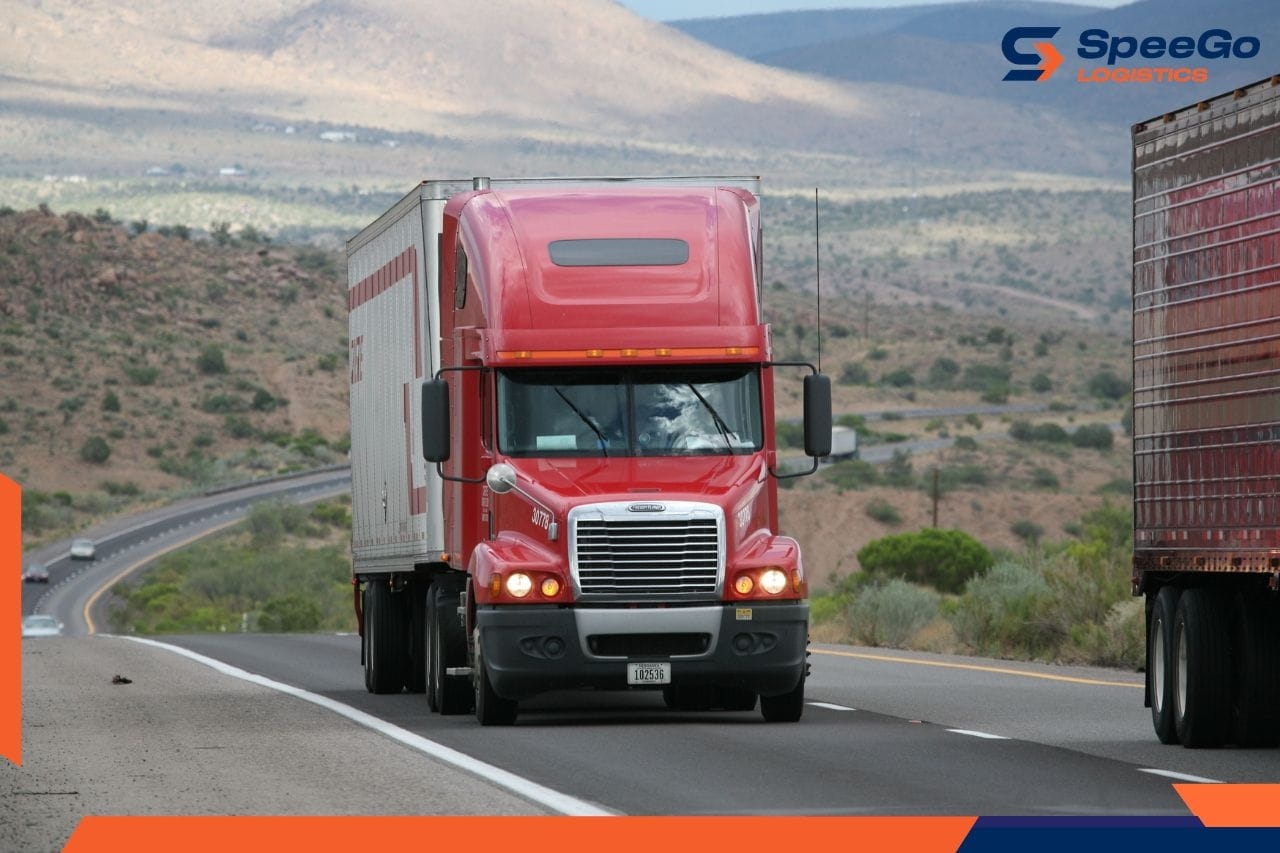
1PL refers to a logistics model in which businesses manage and coordinate their own freight transportation activities.
Example of 1PL:
ABC, a clean food manufacturing company, operates a warehouse in Ho Chi Minh City. It uses its own drivers and trucks to deliver products to distributors throughout the city.
What Are the Advantages and Disadvantages of First-Party Logistics?
With 1PL, businesses have full control over their logistics processes and service quality because all operations are handled internally.
However, they must bear the costs of investing in warehouses, transportation vehicles, and dedicated logistics personnel.
Second-Party Logistics (2PL): What Is It?
2PL (Second-Party Logistics) is a model in which a business hires a logistics provider to perform an individual service, such as transportation or warehousing.
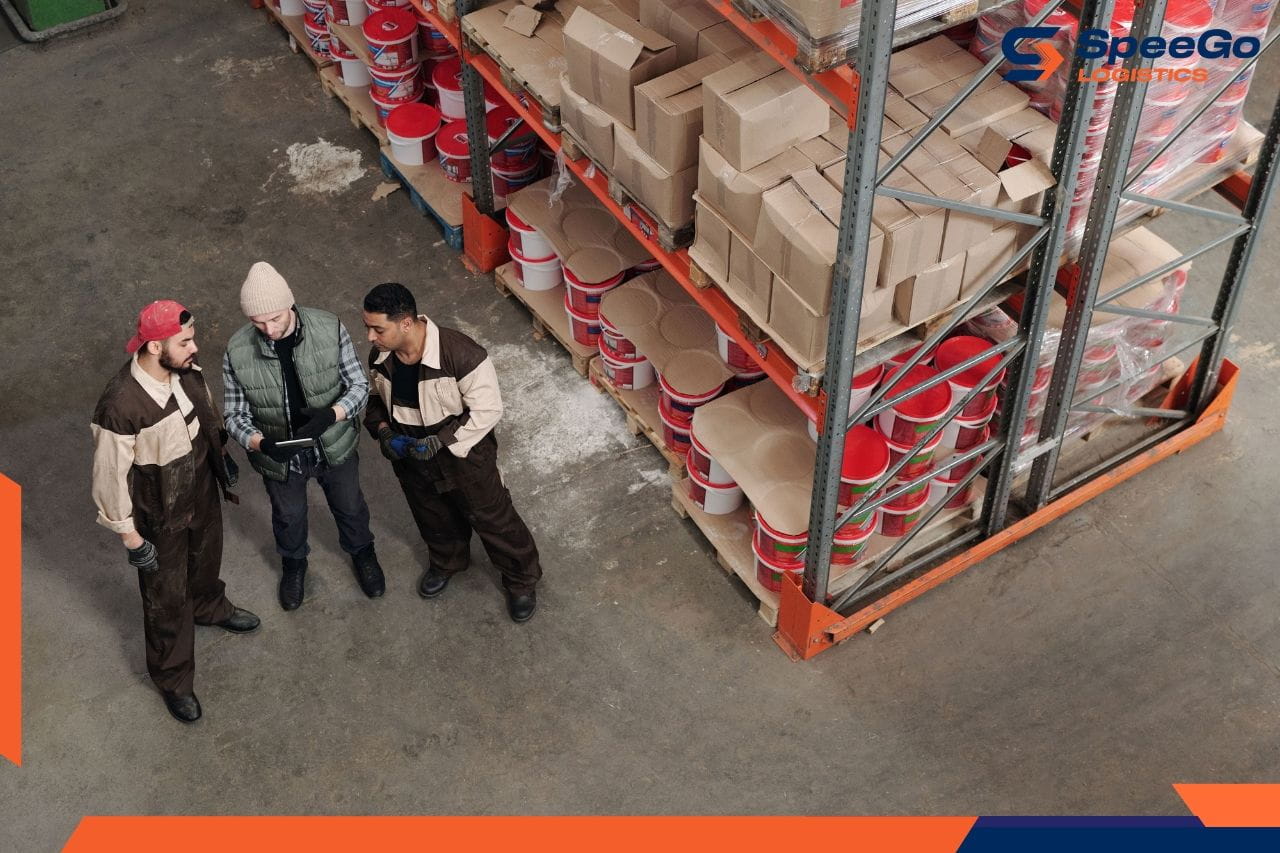
2PL refers to a logistics model in which businesses outsource individual logistics activities to specialized service providers.
Example of 2PL:
An exporter hires a shipping line to transport an FCL container from China to the United States or contracts a road freight company to move goods from a factory to a warehouse.
In these cases, the shipping line or road freight provider acts as a 2PL service provider.
What Are the Advantages and Disadvantages of Second-Party Logistics?
With 2PL, businesses can reduce the need to invest in their own warehouses and transportation vehicles.
However, if a shipment requires multiple transportation modes or different routes to reach its destination, the business may need to work with several transportation providers, manage multiple contracts, and handle separate sets of shipping documents.
Third-Party Logistics (3PL): What Is It?
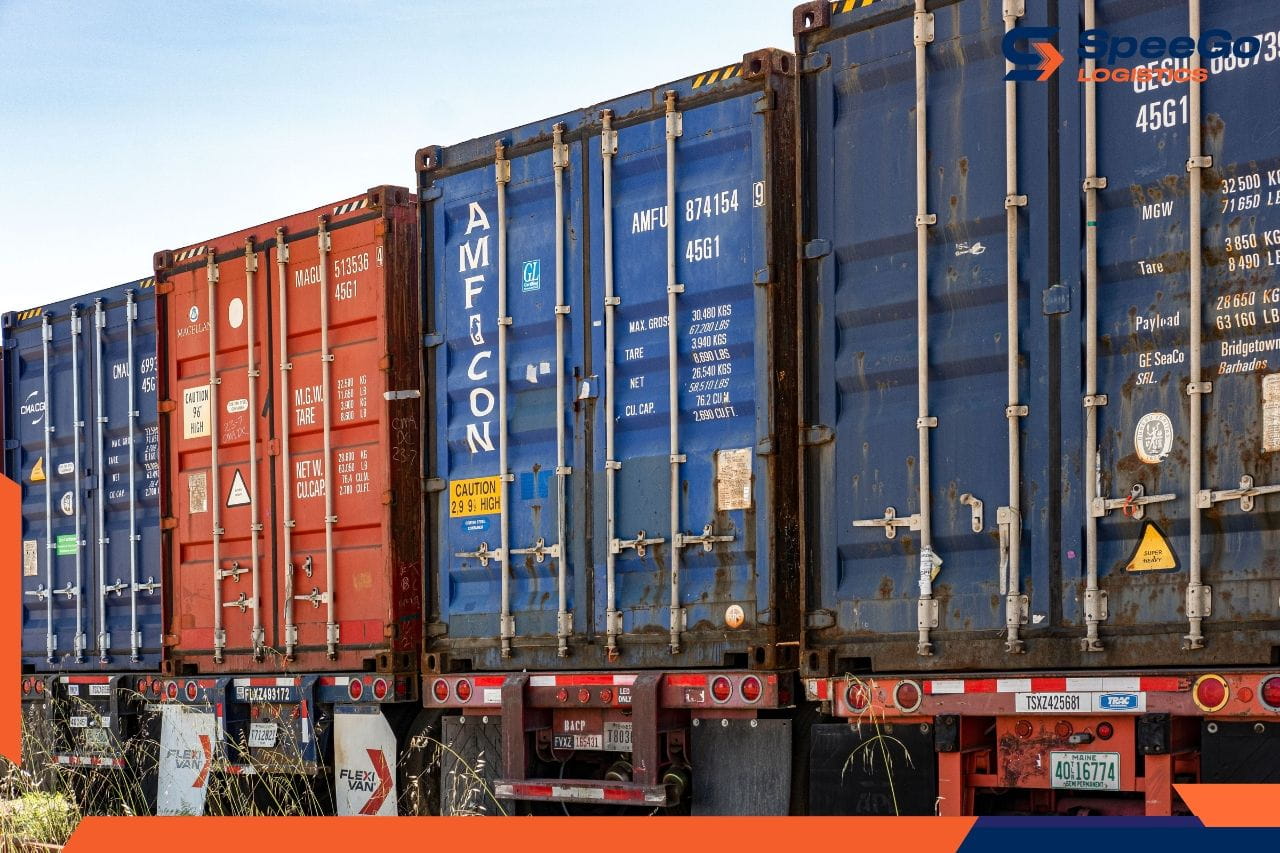
3PL is a logistics model widely adopted by businesses.
3PL (Third-Party Logistics) is a model in which a business outsources multiple logistics services to an external provider, including:
- Freight transportation
- Warehousing and inventory management
- Customs procedures and documentation
- Fulfillment and warehouse operations
Today, 3PL is one of the most widely used logistics models worldwide, particularly in e-commerce, retail, and international trade.
For a more detailed explanation, see our article: What Is Third-Party Logistics?
Fourth-Party Logistics (4PL): What Is It?
4PL (Fourth-Party Logistics) is a model in which a business hires a specialized provider to manage, coordinate, and optimize its entire logistics network, including the management of 3PL providers.
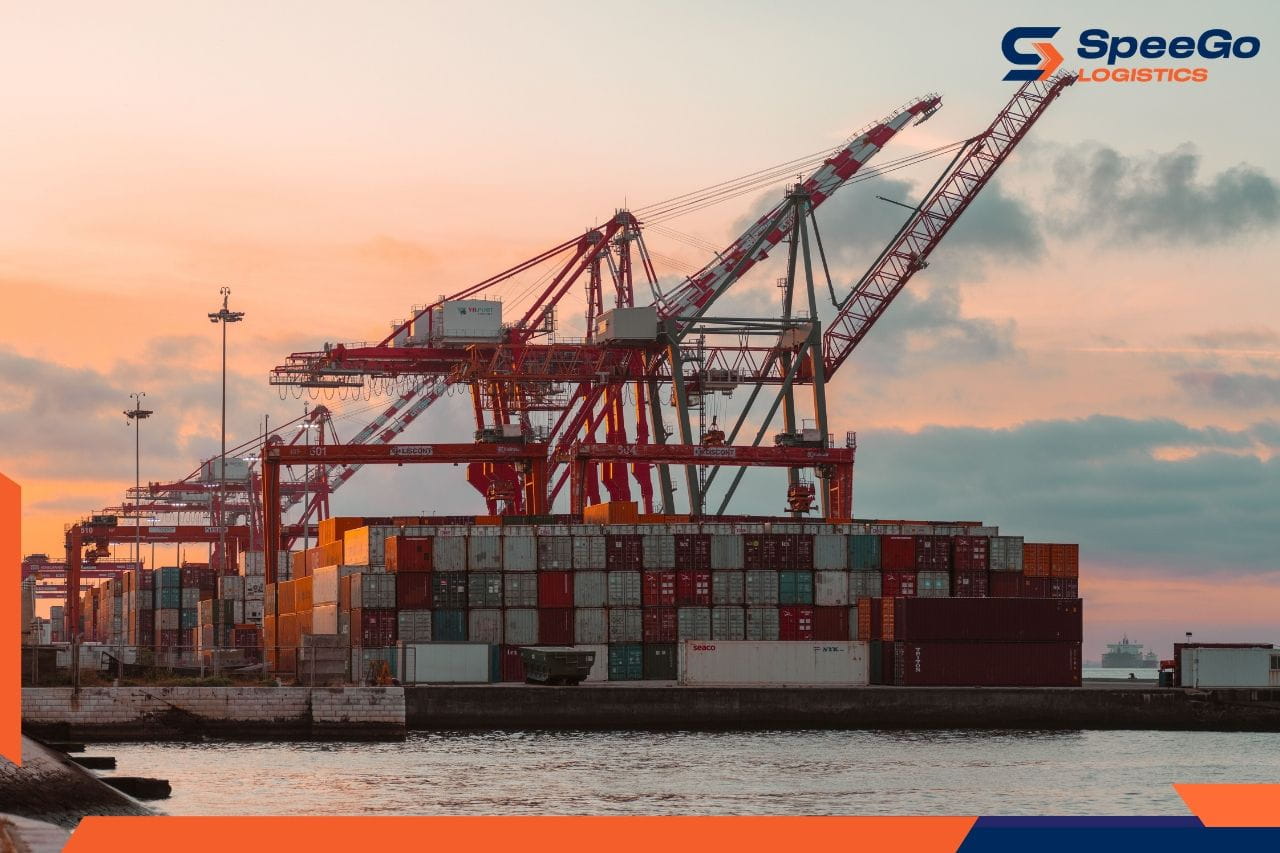
4PL covers a wide range of activities related to logistics and supply chain management.
This model is often adopted by large corporations and businesses with complex logistics networks to reduce costs and improve operational visibility and control.
For a more detailed explanation, see our article: What Is Fourth-Party Logistics?
Fifth-Party Logistics (5PL): What Is It?
5PL (Fifth-Party Logistics) is a more advanced logistics model than 4PL, in which logistics management is heavily supported by technology, Big Data, artificial intelligence (AI), and digital platforms.
According to Allied Market Research, the Fifth-Party Logistics market is projected to reach $17.30 billion by 2035, growing at a compound annual growth rate (CAGR) of 6.5%.
The continued growth of technology is expected to create significant opportunities for businesses already operating in or planning to enter this market.
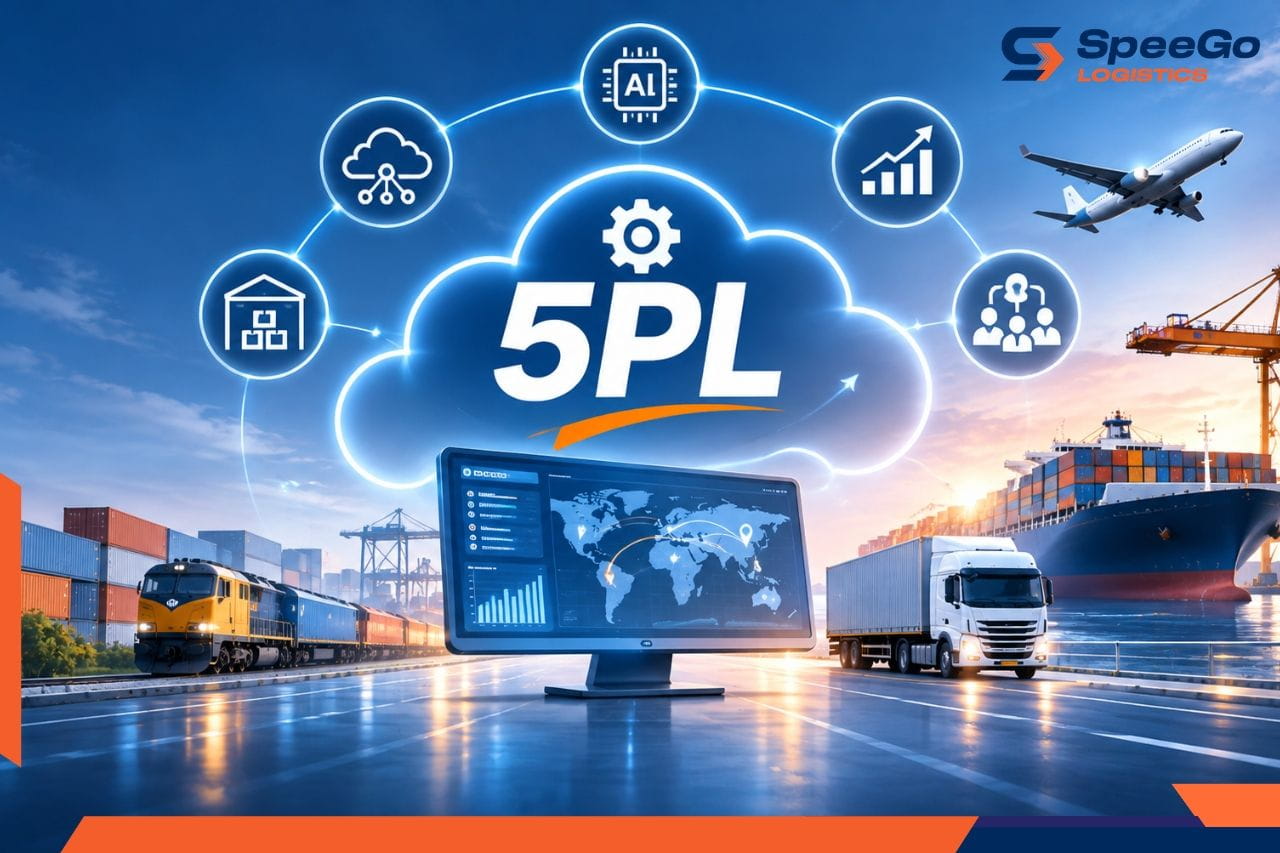
The 5PL model uses technology to manage and coordinate logistics operations.
What Are the Advantages and Disadvantages of 5PL?
This model enables businesses to optimize their entire supply chain network through technology and data. It can also help reduce logistics costs by optimizing resources across a larger operational scale.
However, implementation and operational costs can be substantial, and the model can be complex to manage. As a result, Fifth-Party Logistics is not yet widely adopted. It is generally associated with international logistics providers and businesses operating global supply chains.
Comparing 1PL, 2PL, 3PL, 4PL, and 5PL
The main difference between 1PL, 2PL, 3PL, 4PL, and 5PL lies in the level of involvement and outsourcing across the logistics process.
As the number of “Parties” increases, businesses generally shift from performing logistics activities themselves to outsourcing operations, delegating management responsibilities, and optimizing their entire supply chain through external partners.
The following comparison table provides a quick overview:
| Logistics Model | Business Role | Best Suited For |
|---|---|---|
| First-Party Logistics (1PL) | Manages and performs logistics activities in-house | Small businesses |
| Second-Party Logistics (2PL) | Outsources transportation or warehousing services | Businesses that only need transportation or warehousing |
| Third-Party Logistics (3PL) | Outsources multiple logistics activities | Most businesses |
| Fourth-Party Logistics (4PL) | Manages and coordinates the entire logistics operation | Large businesses |
| Fifth-Party Logistics (5PL) | Manages and optimizes supply chains through technology | Multinational corporations |
Which Logistics Model Is Right for Your Business?
Smaller businesses may find 1PL or 2PL suitable, while 3PL is a practical option for many businesses looking to outsource logistics operations.
An important question every business should consider is:
Which model can help optimize costs, improve operational efficiency, and best match the company’s actual resources and business requirements?
Which logistics model is right for your business?
Most businesses are familiar with the following points:
- 3PL is currently one of the most widely adopted logistics models.
- 5PL offers opportunities to optimize logistics operations through advanced technology integration.
But is 5PL really necessary if your business only needs to transport a domestic shipment from Ho Chi Minh City to Hanoi, or move cargo from the Port of Long Beach to another location in California?
Here are some recommendations to help you choose a logistics model that better fits your business needs.
Related Articles
For Small Businesses
If your business is relatively small, handles a limited number of orders, or primarily serves the domestic market, 1PL and 2PL may be reasonable options.
These models can help control transportation costs and make logistics activities easier to manage.
For Fast-Growing Businesses
As cargo volumes and order numbers increase, managing warehouses, coordinating with multiple transportation providers, processing orders, and controlling inventory can consume significant time and resources.
At this stage, businesses can consider Third-Party Logistics (3PL) to focus more on product development, marketing, and customer service while outsourcing transportation and other logistics activities to professional providers.
As cargo volumes and order numbers increase, managing warehouses, coordinating with multiple transportation providers, processing orders, and controlling inventory can consume significant time and resources.
In addition, 3PL is a suitable option for international e-commerce sellers operating through platforms such as Amazon and Etsy.
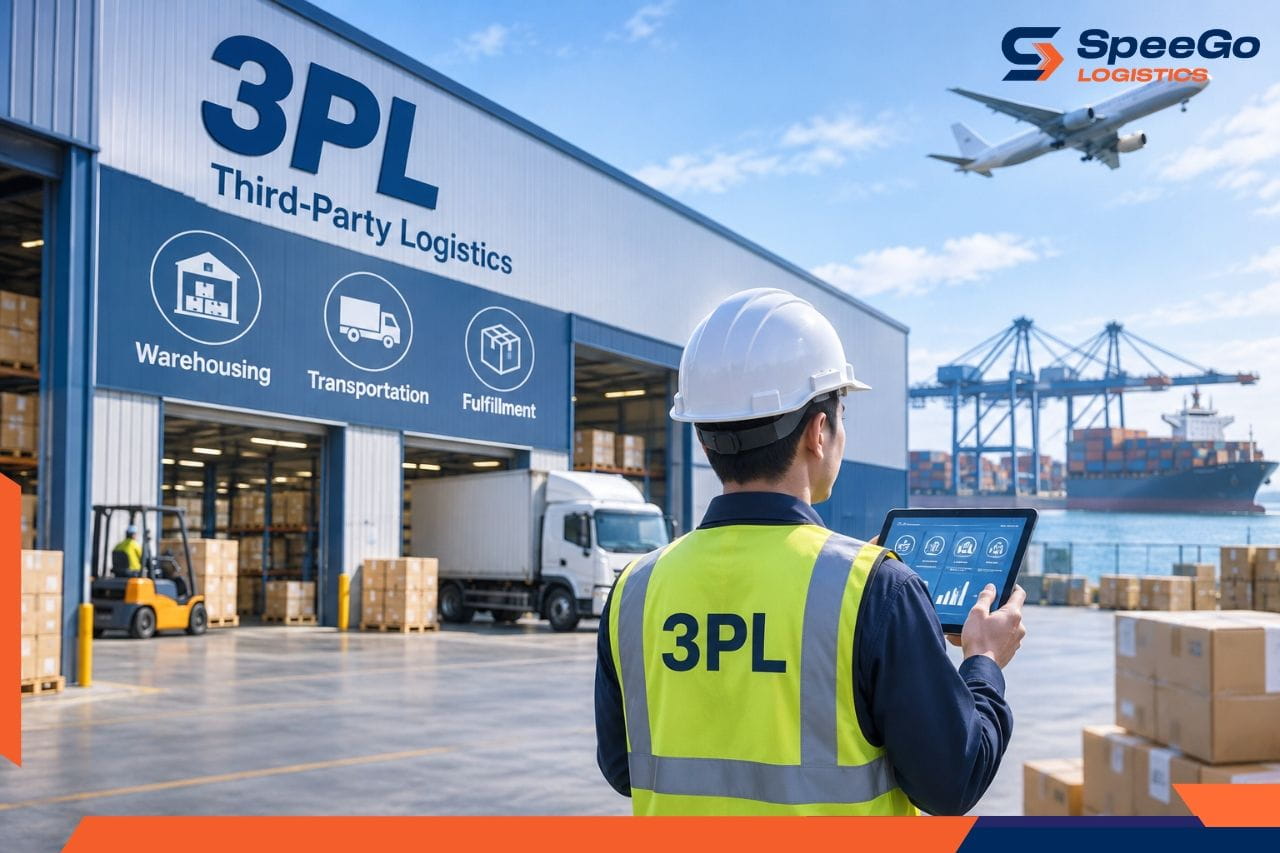
3PL is an optimal logistics model for growing businesses.
For Businesses With Complex Supply Chains
If your business operates across multiple markets and works with numerous logistics and transportation providers, coordinating these activities can become increasingly challenging.
Hiring a 4PL provider can help standardize processes and improve operational efficiency by managing and coordinating the entire logistics network.
For Large Businesses and Multinational Corporations
If your business operates a global supply chain, leveraging the technology, data analytics, and artificial intelligence capabilities of 5PL can be an option for optimizing the entire network at scale.
However, this model is not yet widely adopted and is generally not a practical choice for most small and medium-sized businesses.
Ultimately, 3PL remains a practical option for many businesses because it offers a balance of cost efficiency, flexibility, and long-term scalability.
The 1PL, 2PL, 3PL, 4PL, and 5PL models represent different levels of logistics organization and outsourcing. Each has its own advantages and is suited to businesses at different stages of development.
The key is to choose a logistics model that genuinely matches your business needs, operational capabilities, and growth objectives.
Follow SpeeGo Logistics for the latest updates on ocean freight, logistics, and global supply chains.
