
6 Transportation Modes in Logistics and How to Choose the Right One
In domestic and international freight transportation, businesses can choose from several shipping methods depending on their cargo requirements. The four primary transportation modes are:
- Ocean Freight
- Air Freight
- Road Freight
- Rail Freight
In addition, there are two combined transportation methods: Multimodal Transportation and Intermodal Transportation.
Logistics and supply chains rely on four main transportation modes and two combined modes.
When selecting a transportation mode, businesses should consider more than just freight rates. Factors such as cargo weight, cargo type, delivery time, shipping routes, and total logistics costs all need to be evaluated.
Therefore, instead of asking, “Which freight transportation mode is the best?“, businesses should ask, “Which mode is the best fit for this shipment?”
A good transportation solution strikes the right balance between cost, speed, and the specific requirements of the cargo.
In this article, join SpeeGo Logistics as we take a closer look at the six major transportation modes and how to choose the right shipping method for your cargo.
Related reading: How Does the International Freight Transportation Process Work?
6 Major Transportation Modes in Logistics
There are six major transportation modes in logistics: ocean, air, road, and rail freight, along with two combined approaches: Multimodal Transportation and Intermodal Transportation. Each shipping method offers different advantages in terms of cost, speed, flexibility, and cargo suitability.
Ocean Freight: A Cost-Effective Shipping Method for Large Shipments
Ocean freight is the transportation of goods by sea, making it suitable for large, bulky, and heavy shipments that do not require fast delivery.
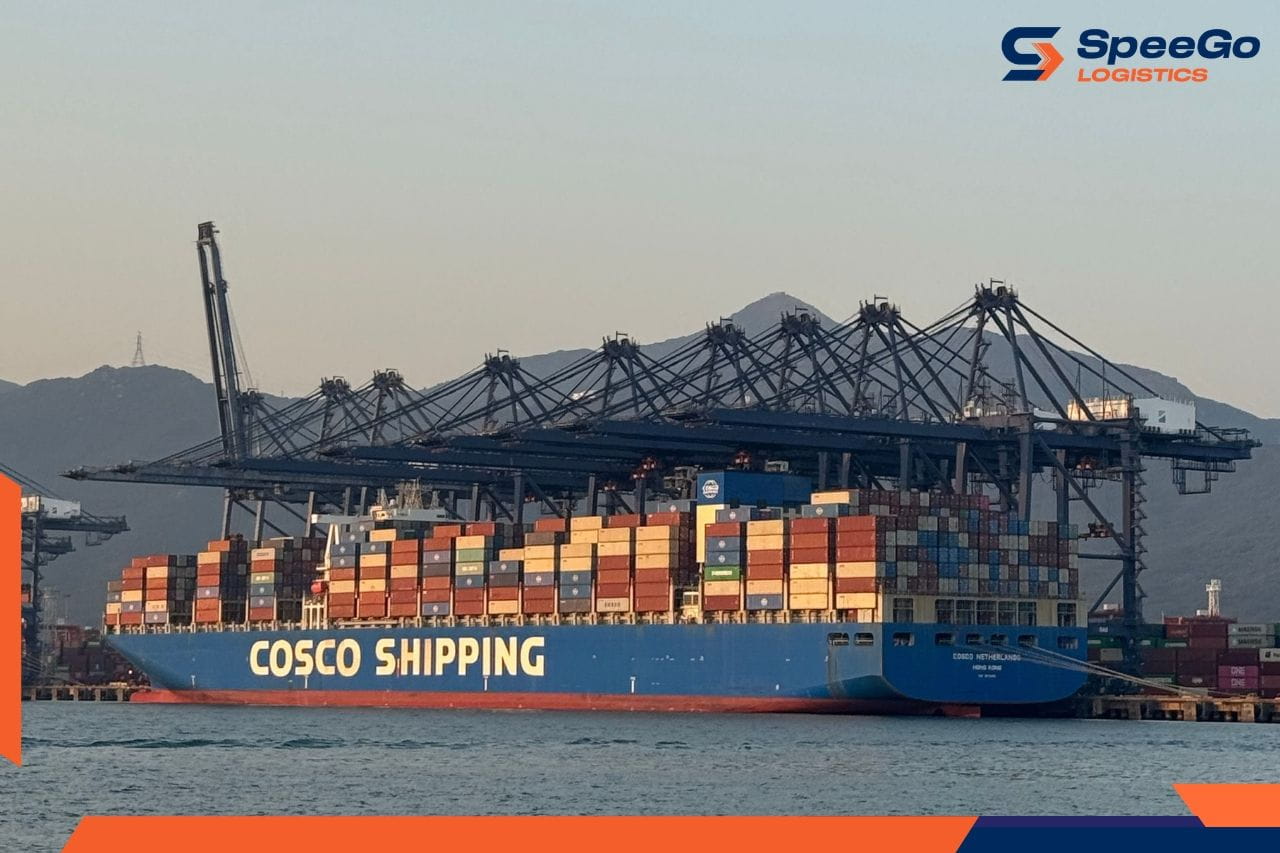
Ocean freight is the most widely used mode of transportation in international trade.
Example: Shipping an FCL container from China to the U.S. can take approximately 25–35 days.
Ocean freight, also known as sea freight, is also a cost-effective option for businesses looking to reduce transportation expenses, particularly when shipping large volumes of cargo over long distances.
Air Freight: The Fastest Shipping Method for Time-Sensitive Cargo
Air freight is the transportation of goods by aircraft, making it suitable for time-sensitive shipments and high-value cargo.
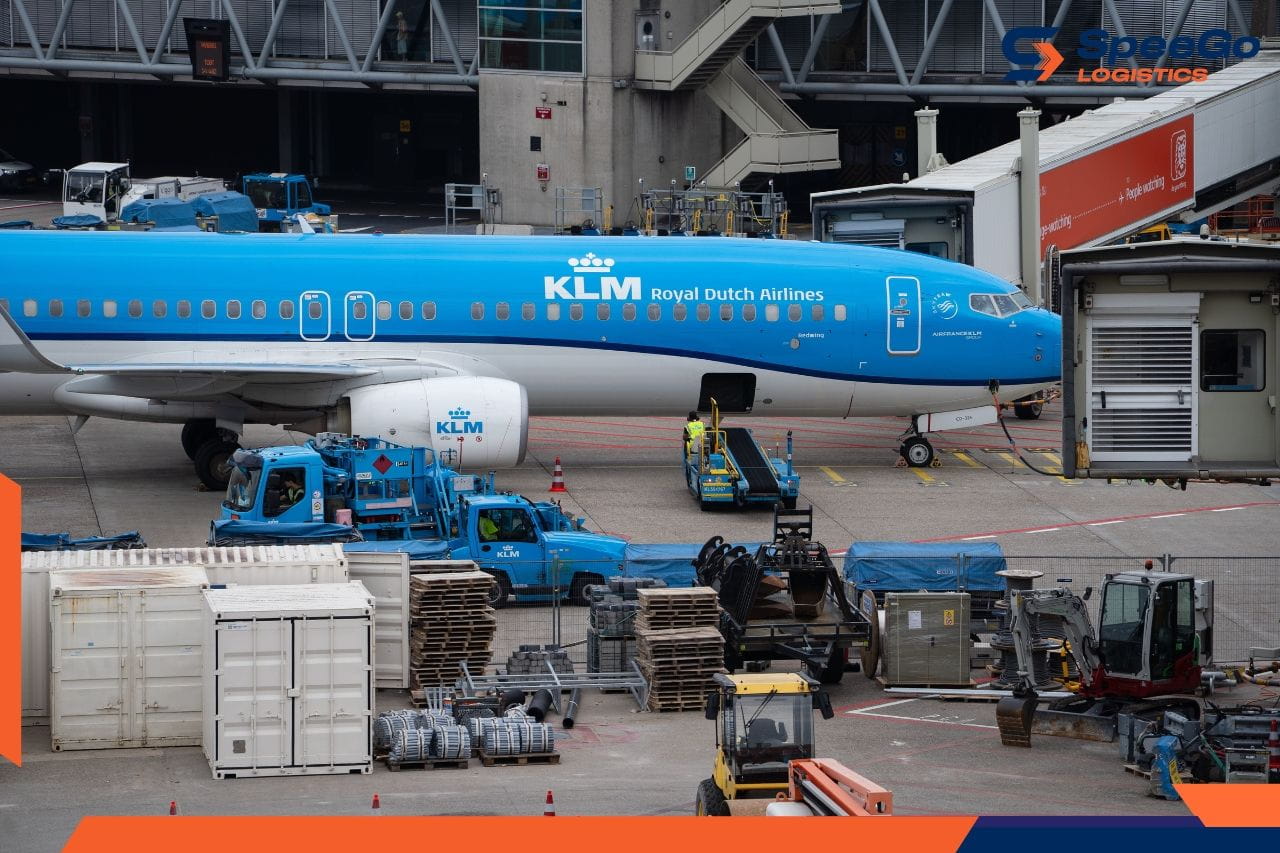
Air freight offers a fast and reliable solution for urgent shipments.
Example: Air freight from China to the U.S. may take as little as 5–7 days.
However, air freight generally costs significantly more than ocean freight. Businesses should consider this shipping method when delivery speed is more important than minimizing transportation costs.
Road Freight: A Flexible Method for Domestic and Cross-Border Shipping
Road freight involves transporting goods by trucks and other road vehicles. It is an essential transportation mode for domestic shipping and for the first- and last-mile legs of international shipments.
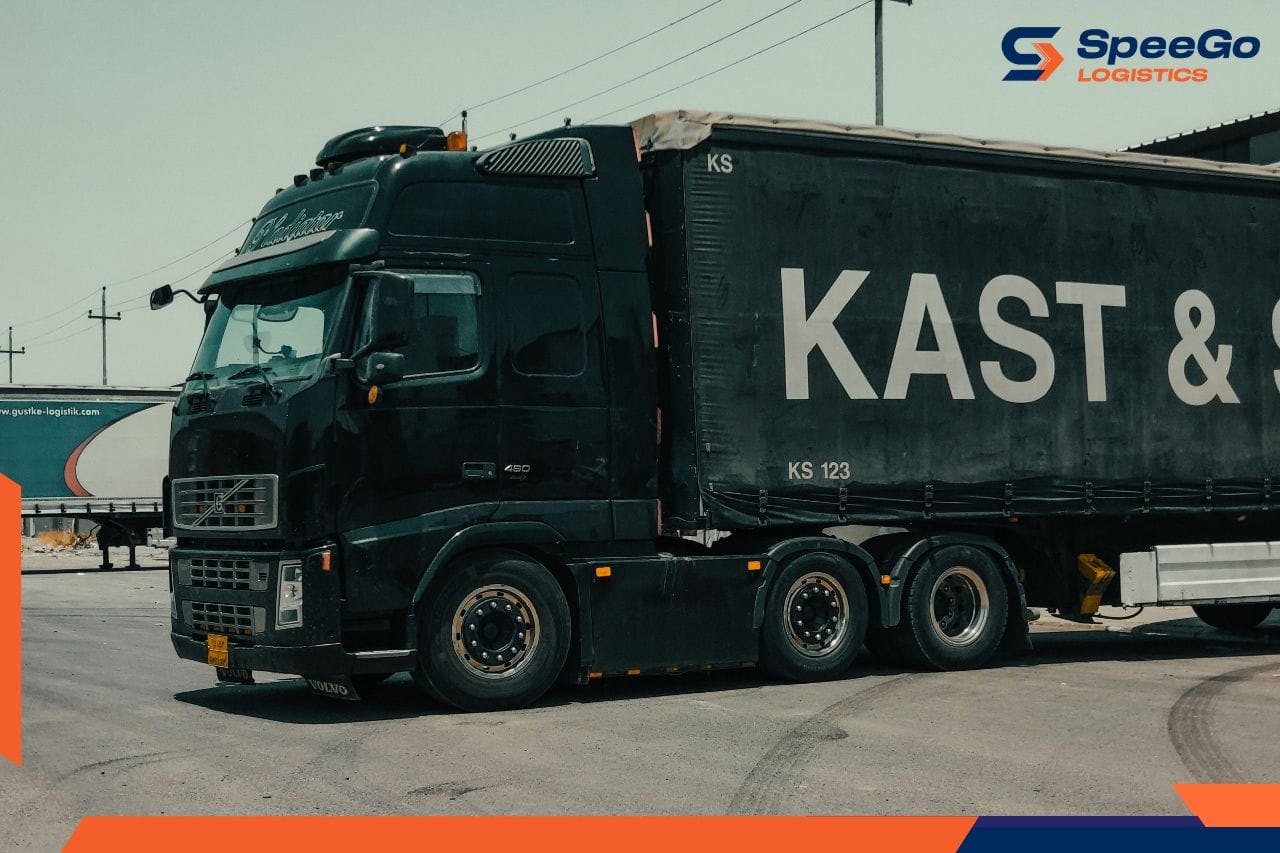
Road freight is a widely used mode of transportation for domestic shipments.
Example: A business transports goods by truck from Texas to Oklahoma within the United States.
Road freight offers flexibility in terms of pickup and delivery locations, making it a practical shipping method for short- and medium-distance transportation.
Rail Freight: An Efficient Option for Long-Distance Freight Transportation
Rail freight is the transportation of goods by train, making it suitable for long-distance cargo movements.
It is also one of the transportation modes that can offer a good balance between cost and transit time, particularly on routes with established rail infrastructure.
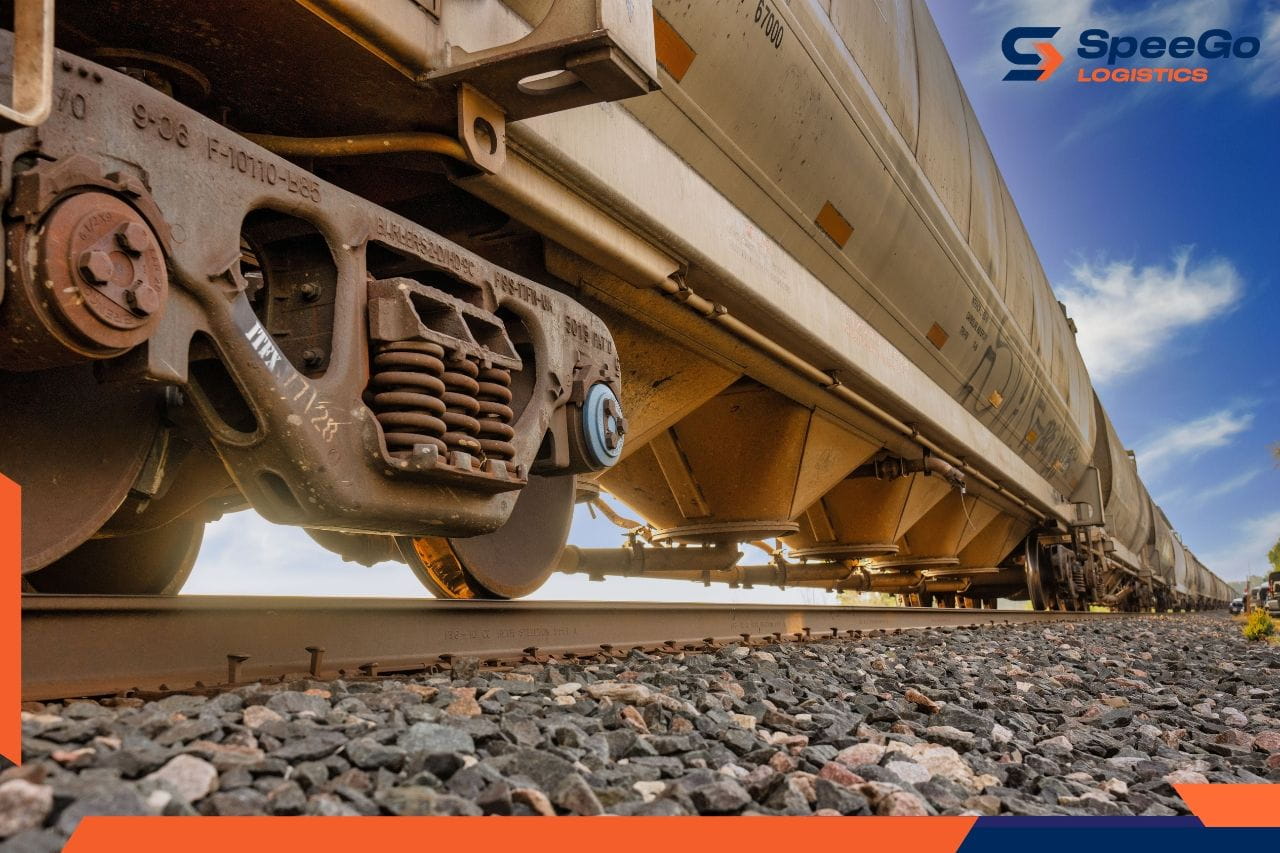
Rail freight is also a common mode of transportation for domestic shipments.
Example: A business transports goods by rail from Ho Chi Minh City to Hanoi.
According to Eurostat data for 2024, maritime transport accounted for 67% of total freight transport activity in the EU, followed by road transport at 25.7% and rail transport at 5.4%. These figures highlight the different roles each mode plays in the logistics network.
Multimodal Transportation: Combining Multiple Shipping Methods
Multimodal transportation refers to the use of two or more different transportation modes under the management of a single logistics provider.
Example:
Company A hires logistics provider B to transport a shipment of cosmetics from Vietnam to the U.S. The shipment moves through the following stages:
- Road Freight: Goods are transported from the manufacturing facility to Cat Lai Port in Vietnam.
- Ocean Freight: Goods are shipped from Cat Lai Port to the Port of Long Beach in the U.S.
- Road Freight: Goods are transported from the Port of Long Beach to the receiving warehouse.
Two transportation modes—road and ocean freight—are used throughout the journey, with both managed by logistics provider B.
This is an example of multimodal transportation.
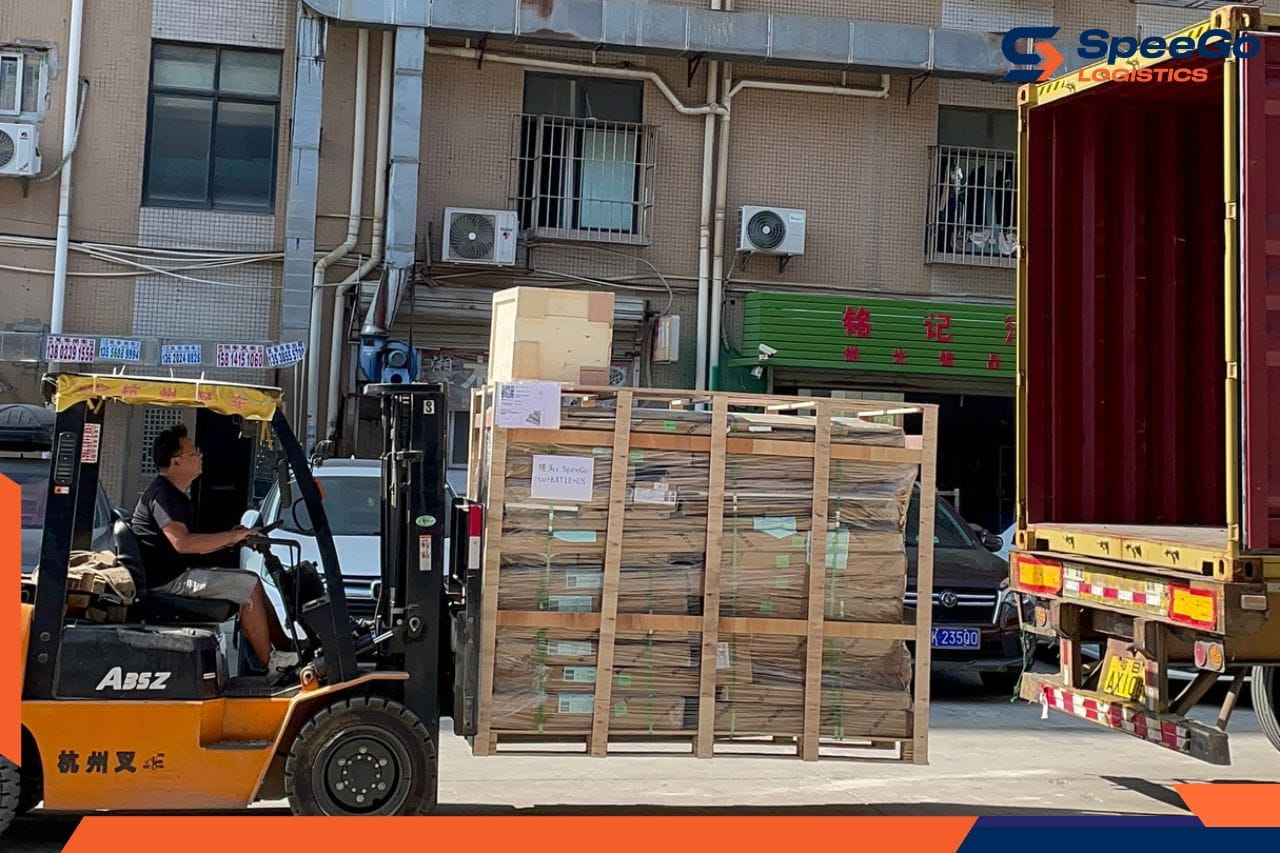
Multimodal transport combines multiple transportation modes under the management of a single logistics provider.
Intermodal Transportation: Coordinating Different Transportation Modes
Intermodal transportation involves combining two or more different transportation modes, with each leg managed and coordinated by a different transportation provider, rather than by a single provider as in multimodal transportation.
Example:
Company A arranges to ship a cargo shipment from China to the U.S. using both ocean and road freight. However, the company works with a different service provider for each transportation leg.
This is known as intermodal transportation.
How to Choose the Right Shipping Method for Your Business
If speed is the priority, Air Freight is often the most suitable option. If you need to move large volumes of cargo at competitive rates, Ocean Freight offers significant advantages.
Meanwhile, Road Freight, Rail Freight, and Multimodal Transportation can play important roles depending on the shipping route.
Choosing the right shipping method requires businesses to look beyond the advertised freight rate. There are five key factors to consider when selecting the most suitable transportation mode:
- Cargo type
- Delivery time
- Cost
- Shipping route
- Transportation requirements
How Does Cargo Type Affect Your Choice?
Businesses should consider several characteristics of the cargo being transported, including:
- Weight and dimensions.
- Cargo value.
- Perishability.
- Temperature requirements.
- Hazardous or restricted characteristics.
- Export and import regulations.
Note: Not all types of cargo are suitable for every transportation mode. Certain goods may require specialized handling, temperature-controlled equipment, or specific transportation conditions.
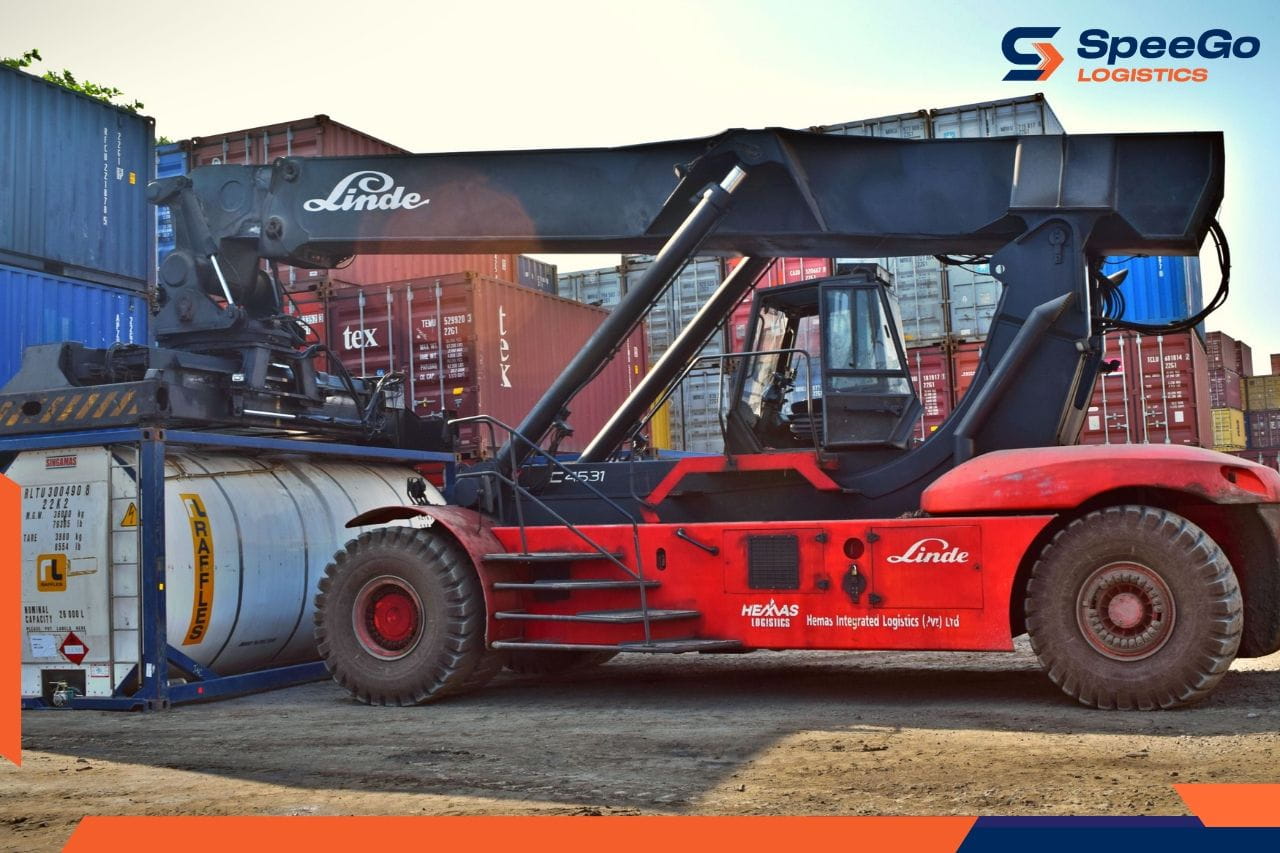
The type of goods has a significant impact on the choice of transportation mode.
Example:
Company A needs to import a shipment of furniture from Vietnam to the U.S. within approximately 10 days and hires a freight forwarder to handle the shipment.
In this situation, ocean freight is generally not a viable option due to its longer transit time.
Air freight can meet the delivery deadline, but the cost would be significantly higher, and the shipment volume may also be limited.
The business must therefore evaluate whether the speed advantage of air freight justifies the additional cost or whether the delivery deadline can be adjusted to accommodate another shipping method.
How Do Transportation Costs Affect Your Choice?
Freight rates are only one component of total logistics costs. Businesses may also need to account for handling, warehousing, customs-related costs, inland transportation, and last-mile delivery.
Example:
A transportation option with a low freight rate but a long transit time may require a business to maintain higher inventory levels. In that case, the initial savings do not necessarily translate into lower overall costs.
When comparing different freight transportation modes, businesses should evaluate the total cost of moving goods from the point of origin to the final destination, rather than focusing exclusively on the quoted shipping rate.
How Important Is Transit Time?
Businesses should start with the delivery deadline rather than choosing a transportation mode first.
For international freight, Air Freight may be worth considering when goods need to arrive quickly. If a business has a long-term replenishment plan and can afford to wait, Ocean Freight often offers greater cost advantages.
For domestic transportation, both rail and road freight can be good options when the route is suitable.
It is also important to distinguish between the quoted transit time and the actual door-to-door delivery timeline. Customs clearance, cargo handling, and inland transportation can all affect when goods reach their final destination.
How Does the Trade Lane Affect Your Choice?
Not every transportation mode is suitable for every shipping route.
A shipping method that works efficiently on one route may be completely impractical on another. The availability of transportation services, infrastructure, transit time, and route conditions can all influence the decision.
For example, ocean freight is often a practical option for international shipments between countries with established seaport connections. Rail freight, on the other hand, may be more suitable for routes with reliable cross-border rail infrastructure.
Businesses should evaluate the available transportation options for each trade lane before making a decision.
How Do Transportation Requirements Affect Your Choice?
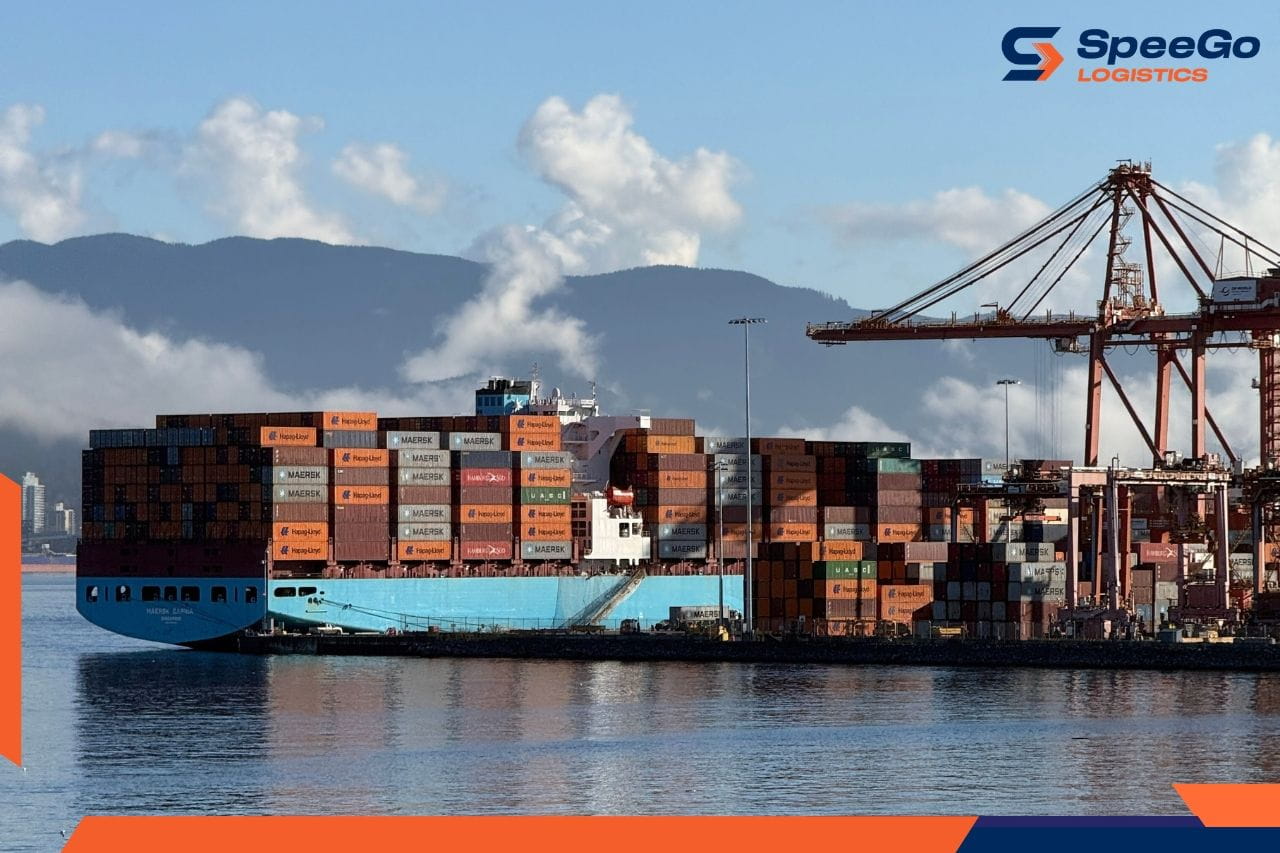
Businesses and their logistics partners need to agree on the transportation mode when special requirements are involved.
Example: A business cannot expect a shipment from China to the U.S. to arrive within 10 days using ocean freight.
Similarly, a business cannot assume that a shipment classified as Dangerous Goods can be transported by air if the airline does not accept that particular cargo.
Other requirements, such as temperature control, special handling, packaging standards, cargo insurance, and customs regulations, may also limit the available shipping methods.
[realetd-posts-by-nghiemvo]
Comparing Different Freight Transportation Modes
No single freight transportation mode is the best choice for every situation.
Air Freight stands out for speed, Ocean Freight is suitable for large shipments, Road Freight offers flexibility, and Rail Freight can balance speed and cost but is only practical on certain routes.
Multimodal and Intermodal Transportation provide additional options by combining different shipping methods to meet specific logistics requirements.
The following table provides a quick comparison of the six transportation modes:
| Transportation Mode | Transit time | Cost | Best For | Limitations |
|---|---|---|---|---|
| Ocean Freight | Slow | Low | Large, non-urgent shipments | Long transit times |
| Air Freight | Very fast | High | Urgent shipments and high-value cargo | High transportation costs |
| Road Freight | Moderate | Moderate | Domestic and cross-border transportation | Traffic conditions and infrastructure limitations |
| Rail Freight | Moderate | Moderate | Large shipments on suitable routes | Dependent on rail network availability |
| Multimodal Transportation | Route-dependent | Depends on the configuration | Door-to-door shipping and complex transportation routes | Complex coordination |
Frequently Asked Questions About International Shipping Methods
Which Transportation Mode Is the Fastest?
Air Freight is generally the preferred option when speed is the top priority.
However, businesses should distinguish between transit time and the total time required to move goods from the point they are ready at the factory to final delivery at the warehouse.
Handling, customs clearance, first-mile transportation, and last-mile delivery can all affect the actual delivery timeline.
Which Shipping Method Is the Most Cost-Effective?
Among international freight transportation modes, Ocean Freight generally offers the lowest transportation costs.
However, this is not an absolute rule. Actual costs depend on the route, shipment volume, weight, shipping season, fuel costs, and service level.
Ocean Freight often has a cost advantage for large shipments. However, when goods need to be delivered urgently, the higher freight cost of Air Freight may be justified if it helps a business avoid stockouts or missed sales opportunities.
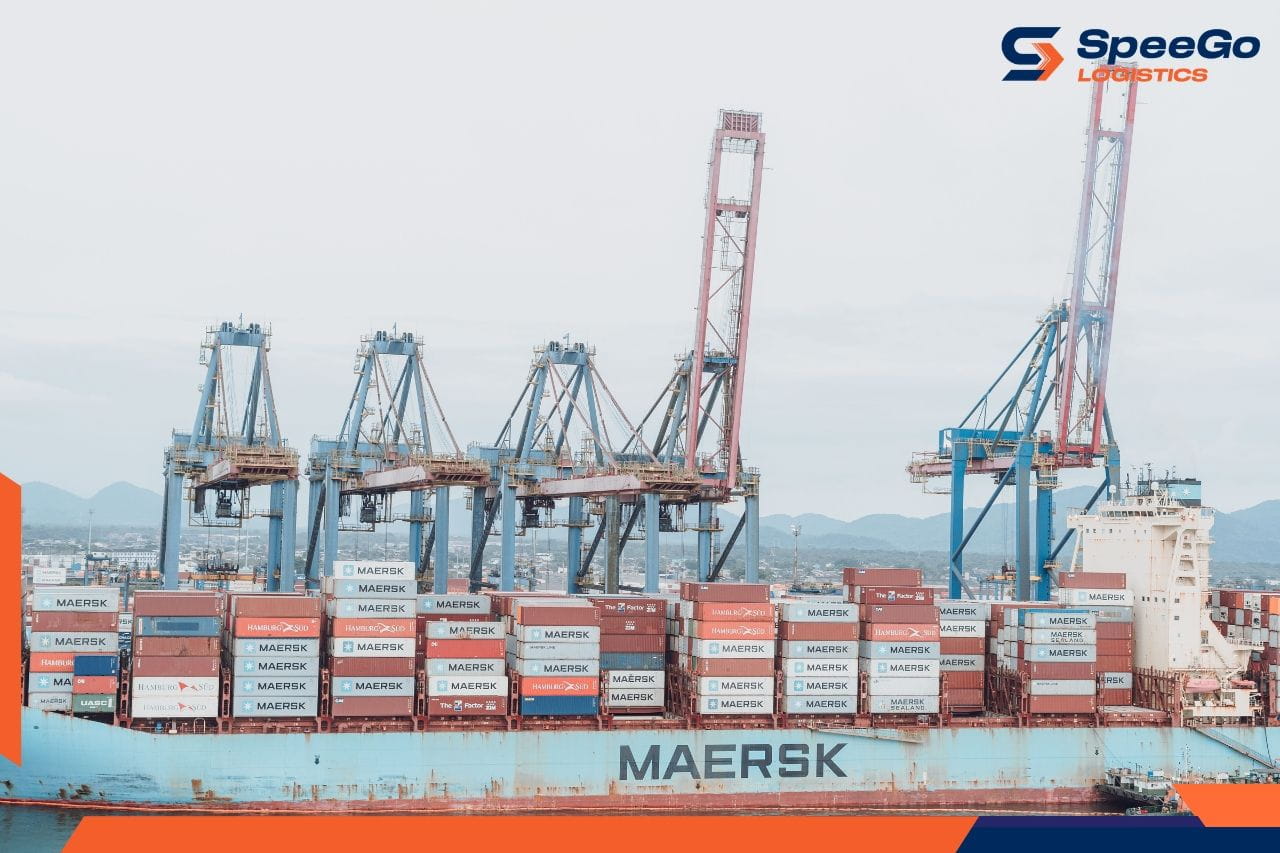
Every transportation mode has its own advantages and disadvantages.
Should You Always Choose the Shipping Method With the Lowest Freight Rate?
No. A low freight rate may come with longer transit times, more transshipment points, or additional charges.
A better option may have a higher freight rate but help reduce inventory holding costs, storage costs, or the risk of stockouts.
Therefore, instead of simply asking:
“How much does shipping cost?”
Businesses should also consider:
“What is the total cost of getting this shipment delivered on time?”
Conclusion
The six transportation modes in logistics serve different purposes and are suited to different shipping scenarios.
There is no one-size-fits-all solution for every shipment. The right transportation mode should be selected based on cargo type, weight, value, delivery deadlines, trade lanes, and total logistics costs.
Understanding the advantages and limitations of different shipping methods helps businesses make better freight decisions, manage transportation expenses, and improve supply chain efficiency.
Follow SpeeGo Logistics for the latest updates on ocean freight, logistics, and global supply chains.
