
International Logistics Process: A Complete Step-by-Step Guide
International shipping requires businesses to coordinate multiple stages, from preparing goods and selecting a transportation method and logistics partner to completing customs formalities and delivering cargo to its final destination.
For businesses new to international trade, particularly U.S. companies sourcing products from overseas suppliers, understanding the international logistics process can help them plan timelines, manage budgets, and minimize potential shipping risks.
How does the international shipping process work?
In general, the international shipping process consists of six main steps:
- Define shipping requirements and verify import requirements
- Agree on shipping terms and select a transportation method
- Book shipping services and prepare cargo and documentation
- Arrange international transportation and track the shipment
- Complete import customs clearance in the destination country
- Receive the cargo and finalize the shipping process
The exact sequence may vary depending on the type of goods, the countries involved, and the agreed delivery terms.
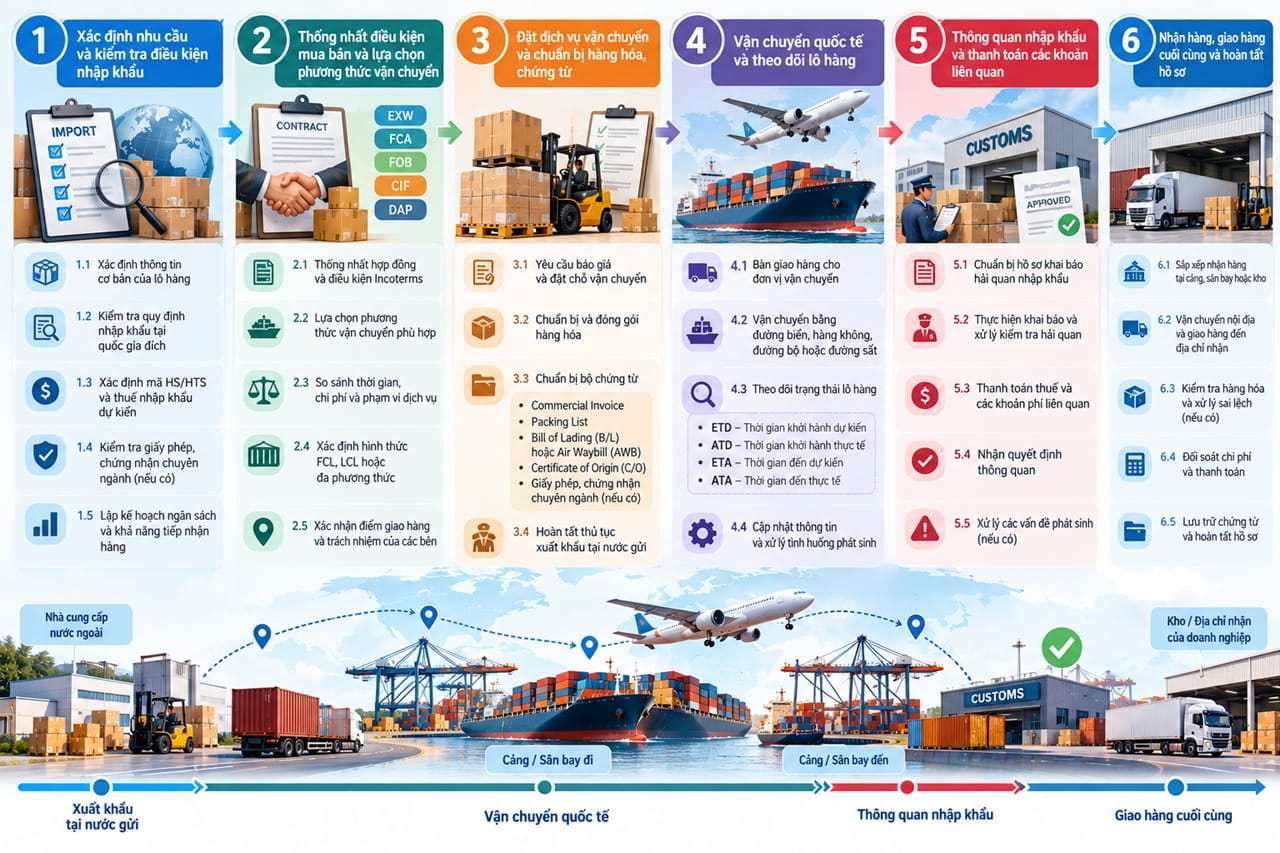
6 basic steps in the international shipping process
In this guide, SpeeGo Logistics walks you through each stage of the international logistics process and explains what businesses need to prepare along the way.
Step 1. Define Shipping Requirements and Verify Import Requirements
Before booking shipping services, businesses need to establish three key things:
- Basic shipment information
- Import regulations in the destination country
- Budget and cargo receiving plans
These preliminary steps help prevent situations where goods have already been shipped but fail to meet import requirements, lack the necessary permits, or incur unexpected costs.

First, businesses need to identify all their requirements and import conditions for each type of product.
Identify Basic Shipment Information
First, businesses should collect complete shipment details from their suppliers to determine the most suitable transportation solution. Key information includes:
- Product details: Product name, intended use, ingredients, materials, and any special characteristics.
- Quantity and specifications: Number of packages, weight, dimensions, packaging type, and packing method.
- Shipping details: Country of origin, pickup location, intended port or airport, and final delivery address.
- Timeline requirements: Cargo ready date, required delivery date, and shipping speed priorities.
- Cargo value: Purchase price, transaction currency, and other information required for customs declarations.
The more accurate the information, the more reliable the freight quote, booking arrangements, and total landed cost estimate will be.
For example, two shipments with the same weight but different dimensions may incur different freight charges, particularly when shipped by air.
Check Import Regulations in the Destination Country
Once the shipment details have been established, businesses need to verify whether the goods are permitted for import and what requirements they must meet.
Key areas that businesses or their logistics providers should review include:
- Product classification codes (HS Codes)
- Estimated import duties
- Import permits and industry-specific certificates
- Labeling requirements, inspections, and technical standards
For shipments entering the United States, businesses need to identify the appropriate HTS code for product classification and duty assessment. This is an important part of import planning.
Companies importing goods into the U.S. should verify requirements based on the specific product, country of origin, and applicable regulations. Certain products may also be subject to oversight by government agencies in addition to U.S. Customs and Border Protection (CBP).
Plan the Budget and Cargo Receiving Arrangements
Beyond the purchase price and freight charges, businesses should estimate additional expenses such as port or airport handling fees, customs clearance fees, import duties, insurance (if applicable), storage, and inland delivery.
For example, a U.S. business planning to import household goods from Asia should check the regulations applicable to each product, estimate the total cost of getting the goods to its warehouse, and confirm that it can receive the shipment before finalizing the purchase order.
Important: Do not make import decisions based solely on the purchase price or freight quote. Evaluate the total landed cost and compliance requirements to minimize risks in subsequent stages.
Step 2. Agree on Shipping Terms and Select a Transportation Method
Once the goods have been confirmed as eligible for import, businesses need to establish the responsibilities of the buyer and seller and select an appropriate transportation method.
This second step in the international logistics process directly affects shipping costs, delivery timelines, and how the entire shipment is coordinated.
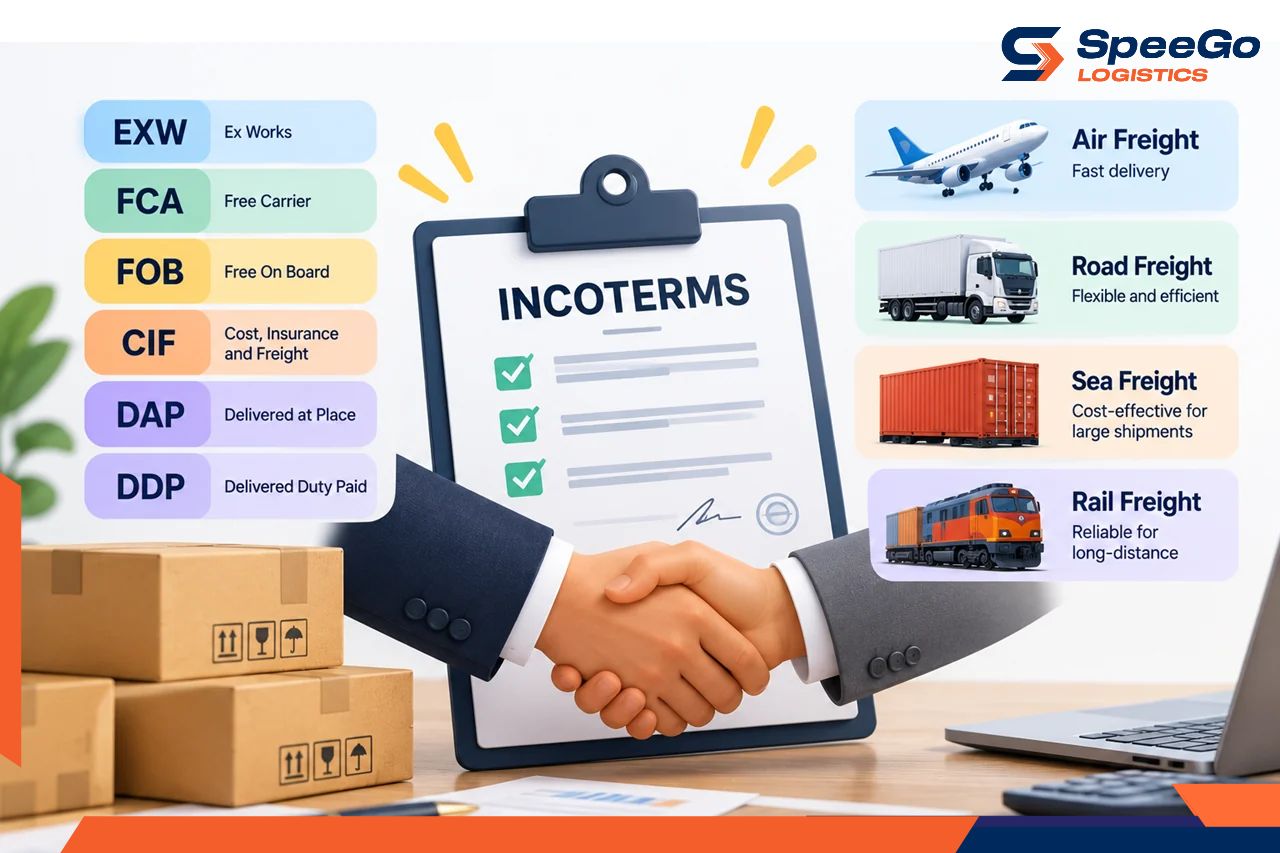
Incoterms are important trade terms agreed upon by both parties.
Agree on Contract Terms and Incoterms
First, businesses and retailers need to understand Incoterms and how they apply to international transactions.
Incoterms are a set of international trade rules published by the International Chamber of Commerce (ICC). They define the delivery responsibilities, allocation of costs, and transfer of risk between buyers and sellers under the selected trade terms.
Some commonly used Incoterms include EXW (Ex Works), FCA (Free Carrier), FOB (Free On Board), CIF (Cost, Insurance and Freight), and DAP (Delivered at Place).
When signing a sales contract, both parties should clearly specify the applicable Incoterms and their scope. However, keep in mind that Incoterms do not replace the entire sales contract or determine every aspect of the transaction, such as payment methods or ownership of the goods.
Choose an International Shipping Method
The business and its logistics provider should work together to select one or more transportation methods that best meet the shipment’s requirements in terms of cargo characteristics, delivery timelines, costs, and shipping routes.
Businesses can explore the most common international transportation methods to identify suitable options.
When comparing alternatives, consider total shipping costs, estimated transit times, transportation schedules, special cargo handling capabilities, and the overall service scope. For ocean freight, businesses need to determine whether Full Container Load (FCL) or Less than Container Load (LCL) is more appropriate based on cargo volume, dimensions, and delivery requirements.
Compare Freight Quotes Before Making a Decision
Do not automatically choose the option with the lowest base freight rate. Review each quote carefully, including the service scope, origin and destination charges, handling fees, surcharges, validity period, and any excluded costs.
Businesses should also distinguish between the main transit time and the total door-to-door delivery time. The overall timeline may include cargo preparation, waiting for a shipping schedule, customs clearance, and inland transportation.
Another important consideration: An initial freight quote may differ from the final shipping cost and is often lower than the actual amount paid
Step 3. Book Shipping Services and Prepare Cargo and Documentation
Once the shipping terms and payment arrangements have been agreed upon, the third step in the international logistics process involves selecting a logistics provider, preparing the cargo, and gathering the required shipping documents.
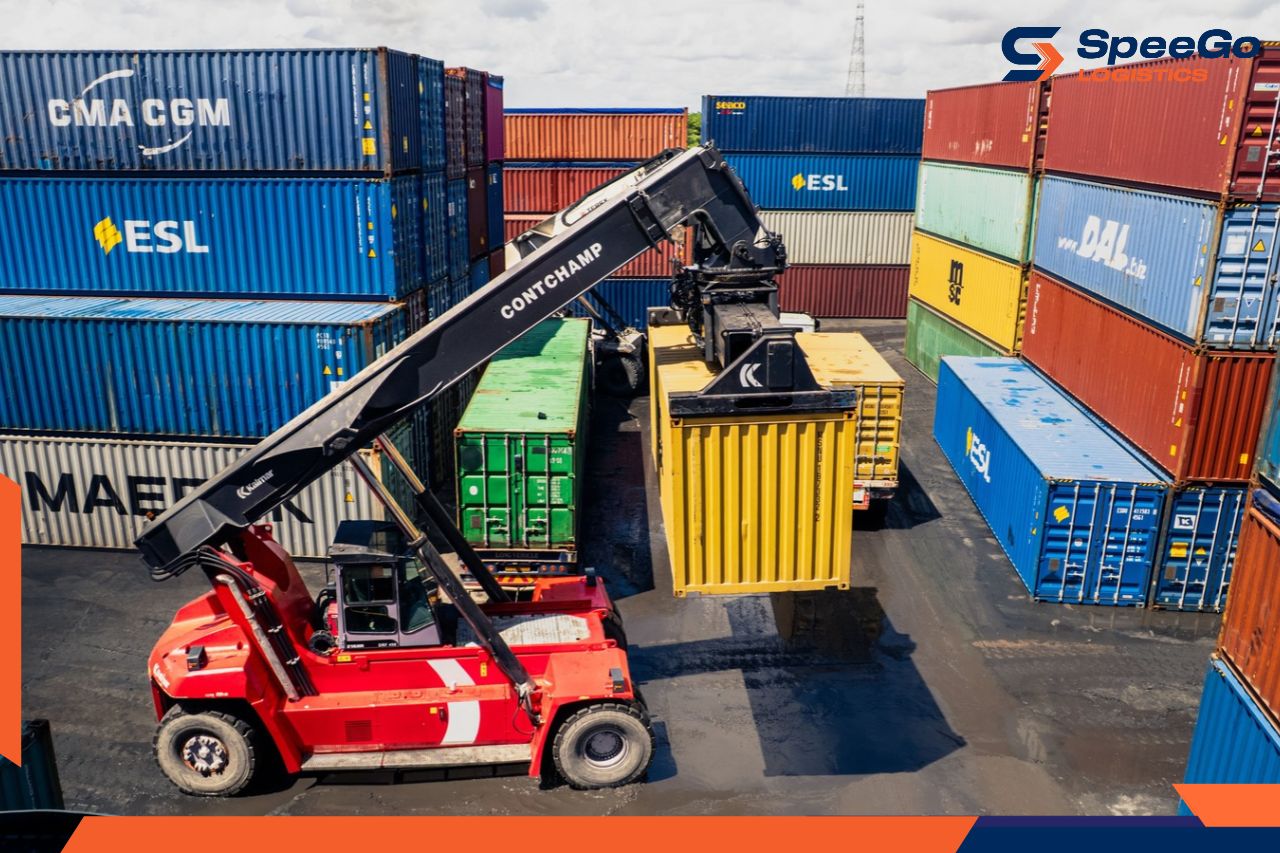
Businesses need to prepare the goods and all essential documents.
Book International Shipping Services
Depending on the agreed delivery terms, the buyer or seller will contact a carrier, freight forwarder, or third-party logistics (3PL) provider to request a quote and arrange a booking.
The information typically required includes the shipping route, cargo type, number of packages, weight, dimensions, pickup address, delivery locations, and estimated shipping timeline. For specialized cargo, businesses should also disclose any special characteristics, storage requirements, or handling instructions in advance.
Before confirming a booking, businesses should review the estimated schedule, cargo cut-off dates for port or warehouse delivery, packaging requirements, and agreed service scope. It is important to confirm which party is responsible for cargo pickup, customs declarations, main transportation, and final-mile delivery.
Prepare and Package the Cargo
Goods must be packaged appropriately based on their characteristics, transportation method, and handling conditions. Packaging should provide sufficient protection during loading, unloading, storage, and transportation across multiple stages.
Key tasks include:
- Selecting suitable packaging materials, cushioning, and cargo securing methods.
- Verifying the actual number of packages, weight, and dimensions.
- Applying shipping labels, handling marks, and special handling instructions when required.
Businesses must also comply with specific handling requirements for fragile goods, hazardous materials, perishable products, and temperature-controlled cargo.
If the actual weight or dimensions differ from the original shipment details, businesses should notify their logistics provider before cargo acceptance to minimize freight adjustments or delays.
Prepare the International Shipping Documents
Shipping documents provide the information needed to coordinate transportation, complete customs declarations, and verify cargo details. The exact documentation requirements depend on the type of goods, shipping route, and regulations of the countries involved.
Some important documents that businesses and logistics providers may need to prepare include:
- Commercial Invoice
- Packing List
- Bill of Lading (B/L) (for ocean freight)
- Air Waybill (AWB) (for air freight)
- Certificate of Origin (C/O)
- Import/export permits and industry-specific certificates
However, not every shipment requires all of these documents. Businesses should confirm the required documentation with their freight forwarder, supplier, and customs clearance provider.
Important: Before the shipment departs, verify that the shipper and consignee details, product descriptions, quantities, weights, declared values, and country-of-origin information are consistent across all documents. Discrepancies may result in document amendments, additional submissions, or further inspections.
Related reading: 100+ Essential Logistics Terms Every Beginner Should Know
Complete Export Customs Formalities in the Origin Country
Depending on the export country’s regulations, the exporter or an authorized representative must prepare the required export customs declaration documents. Some shipments may require permits, certificates, or physical inspections before they can be cleared for export.
Businesses, logistics providers, and other parties involved should clearly establish who is responsible for handling export customs procedures and ensure that the goods meet all export requirements before international transportation begins.
Step 4. Arrange International Transportation and Track the Shipment
An important stage of the international logistics process is arranging transportation and monitoring the shipment’s progress.
Once the cargo has been accepted and all necessary requirements have been completed, the logistics provider arranges transportation to the destination country.
During this stage, businesses need to monitor shipment status, track estimated arrival times, and respond proactively to changes that may affect their receiving schedules.
Logistics providers are also responsible for providing shipment updates or offering real-time tracking systems so businesses can maintain visibility and control over the transportation process.
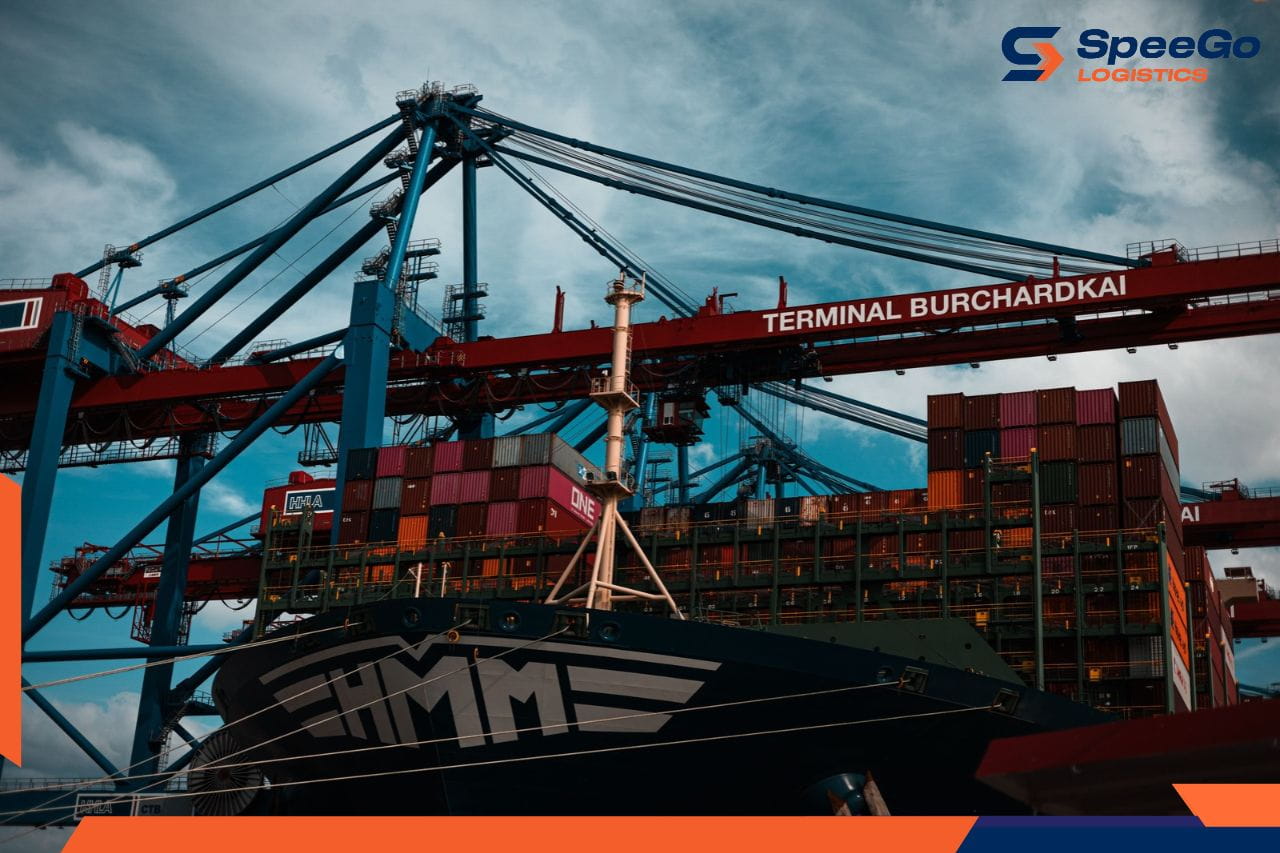
The goods are transported using the selected shipping method, and businesses need to continuously monitor the shipment schedule.
Hand Over the Cargo to the Logistics Provider
Goods may be picked up directly from the supplier’s warehouse or delivered to a designated consolidation point, seaport, or airport, depending on the agreed arrangements.
Once accepted, the cargo is handled according to the operating procedures of the selected transportation method.
- For ocean freight, key milestones typically include the port of loading, vessel schedule, and port of discharge.
- For air freight, businesses should monitor the departure airport, arrival airport, and any transit points along the route.
Booking numbers, tracking numbers, and shipping schedules should be retained for shipment tracking and coordination with relevant parties.
Track Shipment Status and Transit Times
Businesses can use a booking number, bill of lading number, or the carrier’s tracking system to monitor shipment status.
Some common shipping time-related terms used in international logistics include:
- ETD (Estimated Time of Departure): The estimated departure date and time.
- ATD (Actual Time of Departure): The actual departure date and time.
- ETA (Estimated Time of Arrival): The estimated arrival date and time.
- ATA (Actual Time of Arrival): The actual arrival date and time.
These milestones help businesses update receiving schedules, arrange warehouse space, and prepare import customs documentation.
However, ETA may change due to weather conditions, operating schedules, port congestion, transshipment, or other operational factors.
Keep in mind that main transit time is not the same as total door-to-door delivery time. The overall timeline may also include cargo preparation, schedule availability, customs clearance, and inland delivery.
Handle Unexpected Shipping Issues
During international transportation, businesses may encounter situations that require coordination with their logistics providers and other relevant parties, including:
- Shipping delays: Contact the freight forwarder to confirm the updated shipment status, the reason for the delay, and the revised estimated arrival time.
- Missing or incorrect documentation: Work with the supplier and the party responsible for documentation to provide missing information or make the necessary corrections.
- Cargo damage or loss: Keep photographs, inspection reports, and other relevant evidence. Notify the responsible parties promptly and review the applicable claims or insurance requirements.
- Changes to delivery schedules: Adjust receiving arrangements, inland transportation, and warehouse availability accordingly.
Proactive communication and clearly established points of contact help businesses minimize disruptions to their supply chains and day-to-day operations.
Step 5. Complete Import Customs Clearance and Pay Applicable Charges
Once the shipment arrives in the destination country, businesses must complete the required import customs procedures before the cargo can be released and removed from the customs-controlled area.
This is a critical stage because incomplete documentation, incorrect product classification, or missing permits can significantly delay cargo release and prevent the shipment from reaching the warehouse as scheduled.
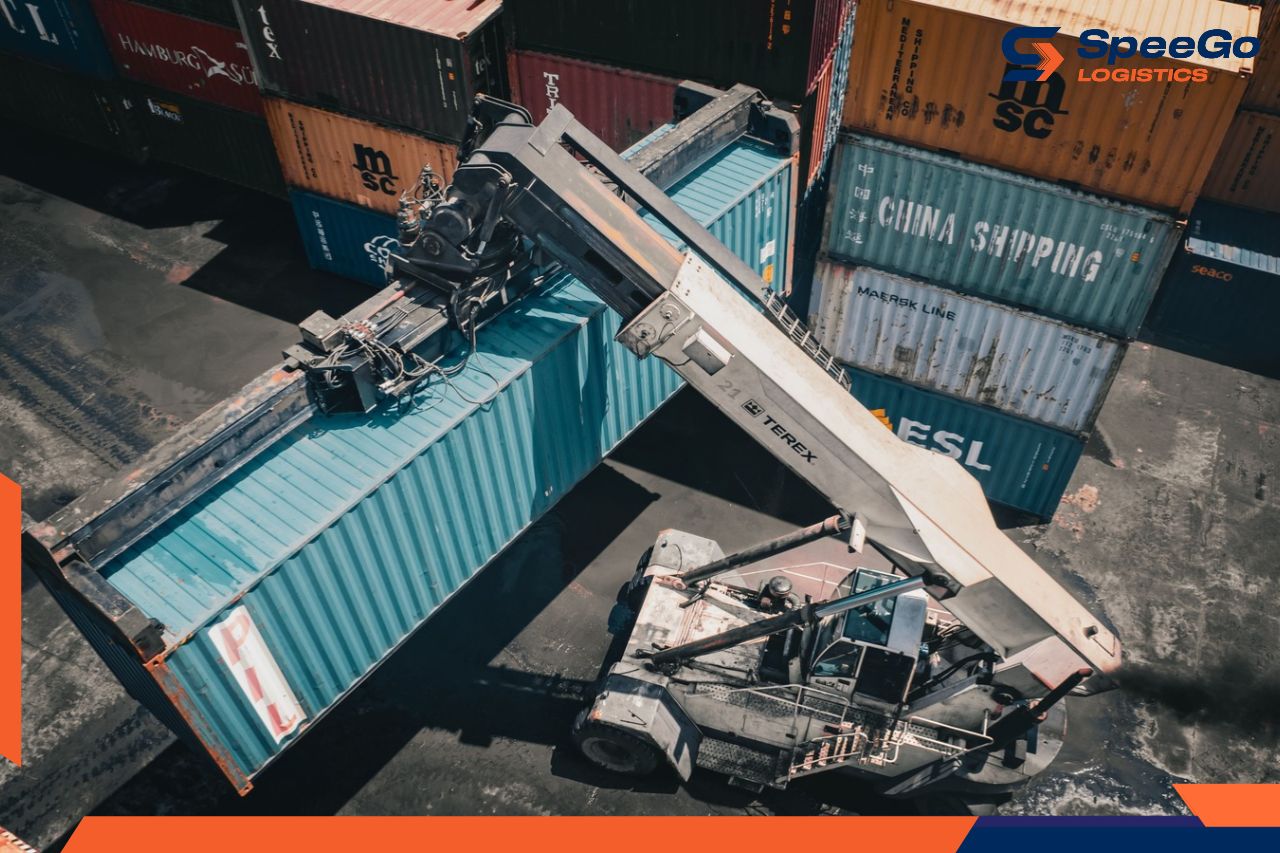
Once the goods arrive at the destination port, businesses need to complete the necessary procedures for import customs clearance.
Prepare Import Customs Clearance Documentation
Before or during the shipment’s arrival, the importer should coordinate with the supplier, freight forwarder, and customs broker to prepare the required documentation.
For shipments entering the United States, businesses must determine the applicable declaration requirements and related obligations based on the specific product, country of origin, and current regulations. A customs broker can be hired to assist with the process, but hiring a broker does not automatically eliminate the importer’s legal responsibilities.
Submit Customs Declarations and Handle Inspections
The import customs clearance process generally involves submitting customs entry information, providing supporting documentation, responding to requests for additional information or inspections when necessary, and fulfilling the applicable requirements before the goods can be released.
Depending on the shipment, customs authorities may review the documentation, request a physical inspection, or seek additional verification of the product description, declared value, country of origin, and classification. As a result, clearance times can vary from one shipment to another.
Businesses should not assume that cargo can be collected immediately upon arrival at a port or airport. Always confirm customs clearance status and cargo release conditions before arranging onward transportation.
Pay Import Duties, Taxes, and Related Fees
The total cost of importing goods may include import duties, applicable taxes or other government charges, customs brokerage fees, port or airport handling charges, and related service costs.
The actual duty amount depends on the product classification code, customs value, country of origin, trade policies, and regulations in effect at the time of importation.
For shipments entering the United States, businesses should verify the applicable duties and trade measures for the specific product and country of origin rather than relying on a general duty rate.
Responsibility for paying these charges should be determined based on applicable laws, the agreed Incoterms, and the contract between the parties. Establishing payment responsibilities in advance helps prevent disputes and delays when the shipment arrives.
Resolve Potential Customs Issues
In many cases, shipments may experience customs clearance delays that need to be addressed as quickly as possible.
Common reasons for these delays include:
- Unclear product descriptions or inconsistencies across shipping documents.
- Product classification codes, declared values, or country-of-origin details requiring further verification.
- Missing permits, certificates, or other required information.
- Goods subject to additional inspections or special regulatory requirements.
To reduce the risk of these issues, businesses should review import requirements during the initial planning stage and coordinate with their customs clearance provider well in advance.
Step 6. Receive the Cargo, Arrange Final Delivery, and Complete Documentation
The final step in the international logistics process begins once the shipment has successfully cleared import customs. The business can then collect the goods at the port, airport, or designated warehouse and complete the remaining documentation.

The goods are then transported domestically to the company’s warehouse or the end customer’s location
Arrange Cargo Pickup at the Port, Airport, or Warehouse
Once import customs clearance and any applicable additional charges have been confirmed and settled, freight forwarders and inland transportation providers coordinate the pickup according to the previously agreed arrangements.
For container shipments, businesses should pay close attention to free time limits and potential demurrage, detention, or terminal storage charges. Review the specific conditions for each shipment and arrange transportation within the required timeframe.
Arrange Inland Transportation and Final Delivery
After collecting the cargo at the destination, businesses need to arrange transportation to their warehouse or operating facility. Delivery coordination should account for the delivery address, receiving hours, vehicle access, unloading equipment, and any special handling or storage requirements.
Before the scheduled delivery date, confirm the arrival time with the transportation provider and consignee. For heavy, oversized, or specialized cargo, ensure that the necessary unloading equipment and facilities are available to minimize waiting time and additional costs.
Inspect the Cargo and Resolve Discrepancies
When the shipment arrives at the warehouse, businesses should verify the quantity, product types, and actual condition of the goods against the purchase order, Packing List, and shipping records.
If shortages, damage, or specification discrepancies are identified, document them with photographs, delivery inspection reports, and other relevant evidence. Then notify the supplier, transportation provider, or insurance company in accordance with the applicable procedures and claim deadlines.
Keeping proper records as soon as an issue is identified makes subsequent investigations and claims easier to manage.
Reconcile Shipping Costs and Retain Documentation
After delivery is completed, businesses should consolidate the actual shipping expenses and compare them with the initial quote. Costs to review may include freight charges, origin and destination fees, customs clearance charges, duties, storage, surcharges, and inland transportation.
If discrepancies arise, investigate the reasons and compare the charges against the agreed service terms. Businesses should also retain purchase records, transportation documents, customs clearance records, invoices, and payment receipts in accordance with legal requirements and internal recordkeeping policies.
Reconciling expenses after each shipment helps businesses understand their cost structure, identify inefficiencies, and improve planning for future imports.
Conclusion
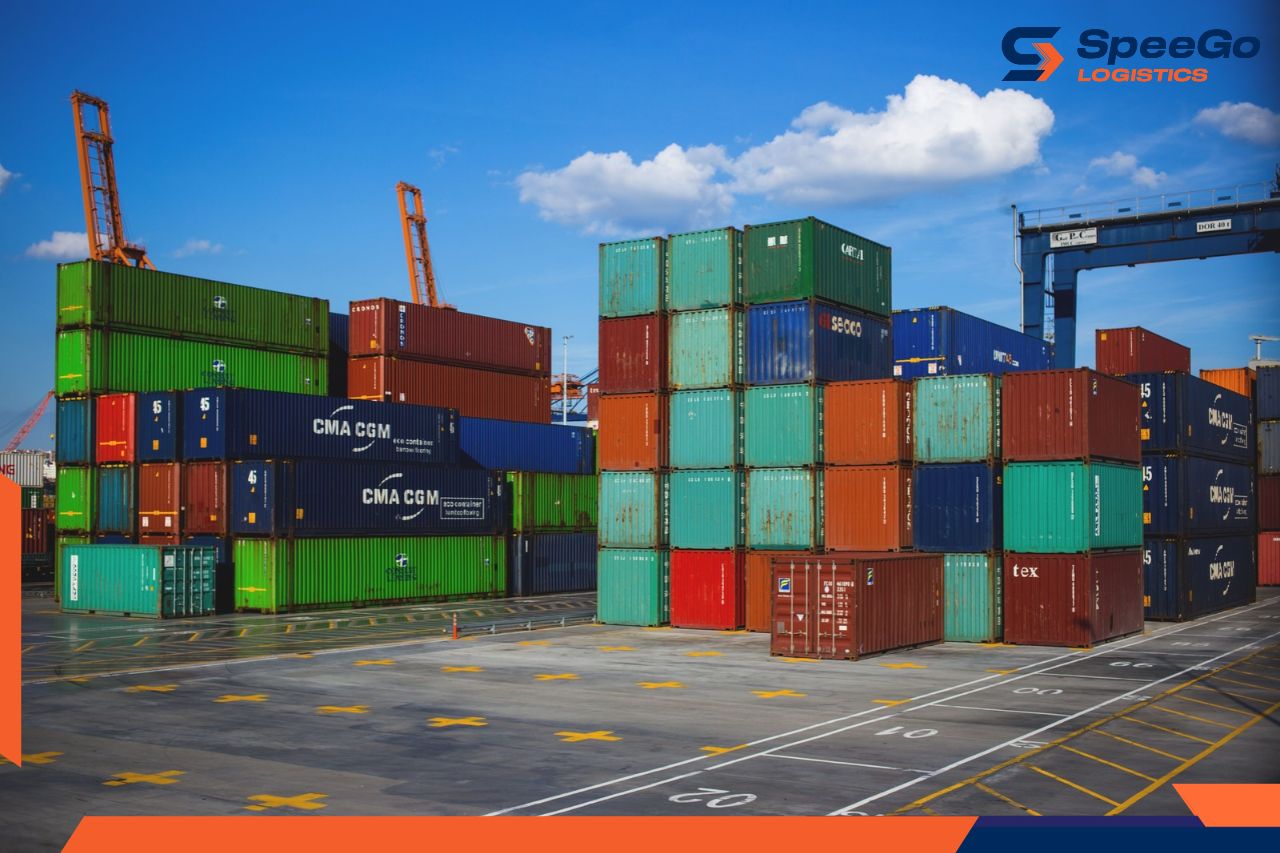
Every import-export business needs to understand the international shipping process.
Understanding the international shipping process helps businesses coordinate logistics more effectively, manage budgets, and reduce risks when importing goods from overseas.
From defining shipping requirements and checking import regulations to selecting transportation methods, preparing documentation, tracking shipments, completing customs clearance, and receiving cargo, every stage plays a distinct role and requires close coordination.
For businesses new to importing into the United States, checking product-specific regulations, clearly defining responsibilities among all parties, and estimating total landed costs from the outset are particularly important.
Businesses with limited international shipping experience can work with a suitable freight forwarder and customs broker to coordinate the different stages. Having accurate shipment information and proactively monitoring progress can make the shipping process more transparent, manageable, and aligned with business objectives.
Follow SpeeGo Logistics for the latest updates on ocean freight, logistics, and global supply chains.
