
What Is 3PL in Logistics? Its Advantages and Disadvantages
Today, many businesses around the world are turning to 3PL (Third-Party Logistics), a model in which some or all logistics activities are outsourced to a professional service provider.
According to Armstrong & Associates, as many as 94% of Fortune 500 companies in the U.S. work with at least one 3PL provider, a significant increase from 46% in 2001.
In international trade and e-commerce, managing the entire process of transportation, warehousing, and goods distribution in-house can require significant time, manpower, and financial resources while exposing businesses to additional operational risks.
As businesses expand, their internal logistics systems may no longer be able to meet growing operational demands efficiently.
These are some of the key reasons why 3PL in logistics is becoming increasingly popular among businesses worldwide.
3PL is a widely used model for outsourcing logistics operations.
So, what is 3PL, how does it work, what are its advantages and disadvantages, and what value does it bring to businesses?
In this article, join SpeeGo Logistics as we explore everything you need to know about this logistics model.
Related Reading: Understanding the 5 Logistics Models: 1PL, 2PL, 3PL, 4PL, and 5PL
What Is Third-Party Logistics (3PL)?
Simply put, 3PL (Third-Party Logistics) is a business model in which a company hires an external logistics provider (a 3PL provider) to handle one or more activities within its supply chain, such as transportation, warehousing, inventory management, order fulfillment, and delivery.
Instead of investing in its own transportation vehicles, warehouses, personnel, and management systems, a business can leverage the resources and expertise of a 3PL company to manage its logistics operations.
Businesses working with a 3PL provider have a single point of contact for multiple logistics activities.
Example of 3PL:
Consider a business that sells cosmetics in Vietnam, sources products from China, and distributes them to customers in the U.S.
Instead of building its own warehouse, hiring warehouse staff, and organizing international transportation, the business can hire a 3PL company to handle activities such as:
- Receiving goods from suppliers in China.
- Inspecting, storing, and managing inventory.
- Arranging international transportation to the U.S.
- Assisting with customs clearance and shipping documentation.
- Receiving, processing, and delivering orders to end customers.
This allows the business to focus on its core operations, product development, and sales, while the 3PL partner manages the agreed-upon logistics activities.
How Does 3PL in Logistics Work?
Typically, the 3PL model operates through a partnership involving three parties:
- The business that requires logistics services.
- The third-party logistics provider.
- Freight transportation partners and other relevant parties.
The specific process generally involves the following steps:
Step 1: The Business Identifies Its Logistics Requirements
The business determines which logistics activities it needs to outsource, such as international transportation, warehousing, inventory management, fulfillment, or domestic delivery.
Step 2: Select a 3PL Provider and Sign a Contract
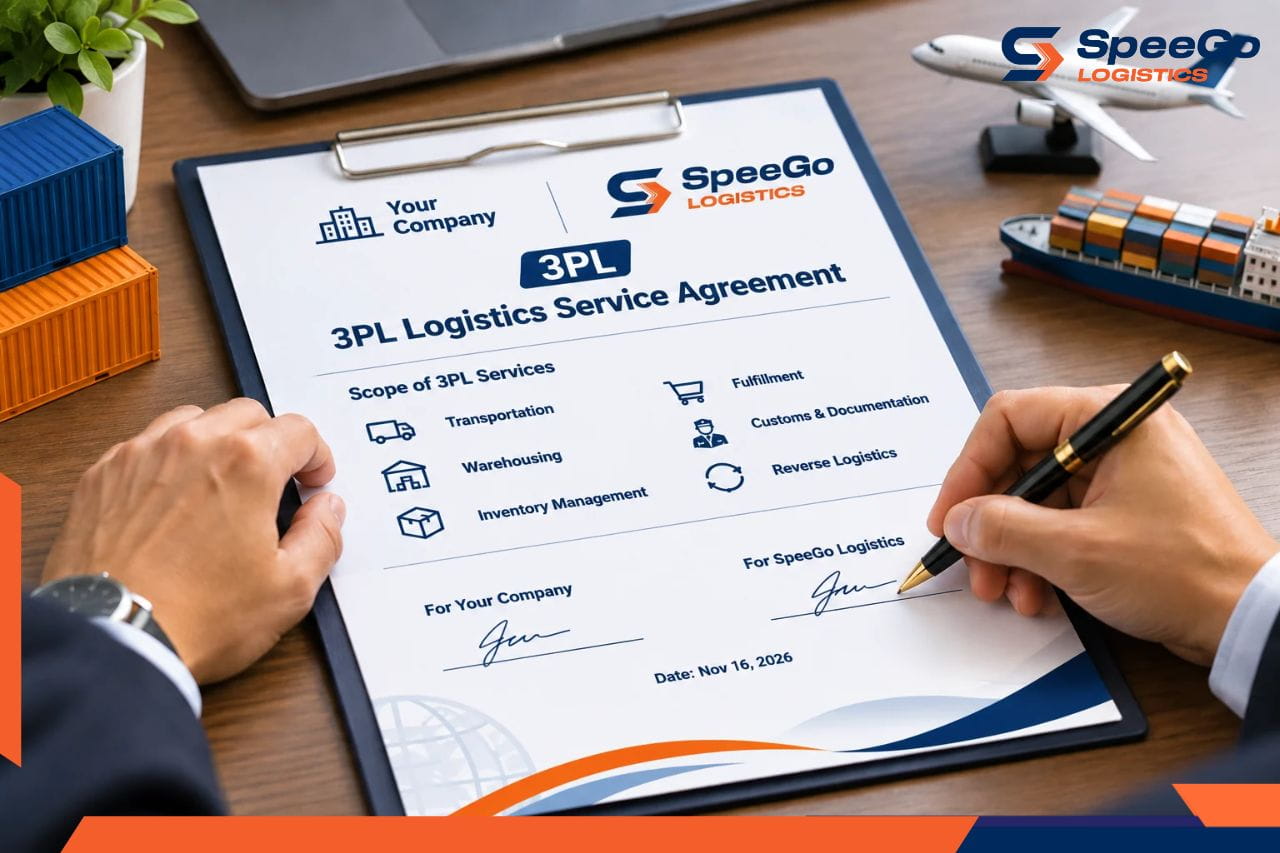
Choosing a reliable 3PL service provider is essential.
The business looks for a suitable service provider based on its operational capabilities, service coverage, experience, technology, and pricing.
Both parties then agree on the scope of services, responsibilities, execution timelines, and other relevant contractual terms.
Step 3: The 3PL Provider Manages Logistics Operations
Once the provider receives the business’s requirements, the 3PL company begins carrying out the agreed-upon activities.
Depending on the scope of services, this may include arranging transportation, receiving cargo, warehousing, managing inventory, processing orders, and delivering goods.
Step 4: Monitor and Manage Operational Performance
The business monitors cargo status, delivery progress, inventory levels, and operational performance through reports or the 3PL provider’s management systems.
The 3PL provider is also responsible for regularly updating the business on the actual status and movement of its shipments.
Step 5: Evaluate and Optimize the Services
Both parties evaluate the partnership using performance indicators such as delivery time, on-time delivery rate, inventory accuracy, damage rate, and total logistics costs.
Based on the results, the business can adjust the scope of services to better match its actual operational needs.
Related Articles
The Role of 3PL in the Supply Chain
Third-Party Logistics plays an important role in connecting transportation, warehousing, and distribution activities throughout the supply chain.
Instead of managing each stage independently and coordinating with multiple service providers, businesses can work with a single 3PL partner to manage the logistics activities covered by their agreement.
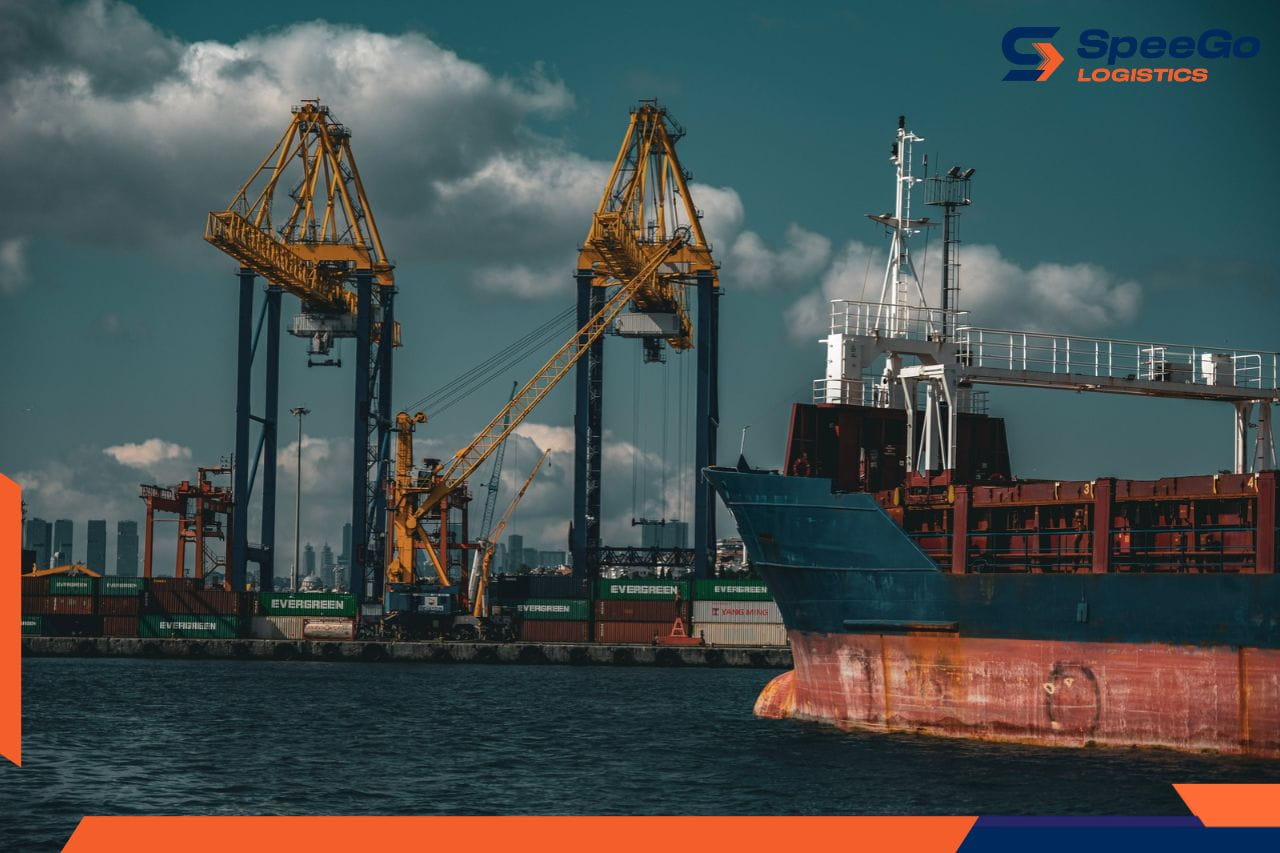
Efficient logistics operations have a significant impact on a company’s supply chain.
The key roles of 3PL in the supply chain include:
- Connecting transportation operations: Coordinating the movement of goods from suppliers and manufacturing facilities to warehouses, distribution centers, and end customers.
- Optimizing warehousing operations: Supporting warehouse organization, inventory management, and stock control to help businesses use storage space more efficiently.
- Ensuring efficient order fulfillment: Receiving, packing, sorting, and delivering orders according to the business’s requirements.
- Supporting import and export operations: Coordinating international transportation, handling shipping documentation, and assisting with customs procedures within the agreed scope of services.
- Improving scalability: Helping businesses increase or reduce their logistics capacity without having to invest in all the necessary infrastructure themselves.
As we can see, 3PL in logistics goes beyond transportation services. It is also a solution that helps businesses organize and manage supply chain activities more efficiently.
What Are the Advantages of Third-Party Logistics for Businesses?
3PL offers several benefits to businesses, particularly those expanding into new markets, growing their e-commerce operations, or handling frequent shipments.
Lower Infrastructure and Investment Costs
Without a professional 3PL partner, businesses may need to invest in warehouses, transportation vehicles, management equipment, technology, and dedicated personnel to operate their own logistics systems.
These investments can create a significant financial burden.
With 3PL, businesses can leverage their provider’s existing infrastructure and resources instead of building an entire logistics network from scratch.
However, the actual cost savings depend on shipment volume, service frequency, pricing structures, and contractual terms.
Focus on Core Business Activities
Managing logistics operations requires considerable time and resources, from tracking shipments and controlling inventory to handling documentation and coordinating transportation.
By outsourcing logistics to a 3PL provider, businesses can reduce the burden of day-to-day logistics operations and focus on other core activities, such as:
- Product research and development.
- Marketing and sales.
- Brand development.
- Customer service.
- Market expansion and business partnerships.
This is particularly beneficial for businesses without in-depth logistics expertise or sufficient resources to build and maintain their own logistics teams.
3PL Helps Businesses Scale More Easily
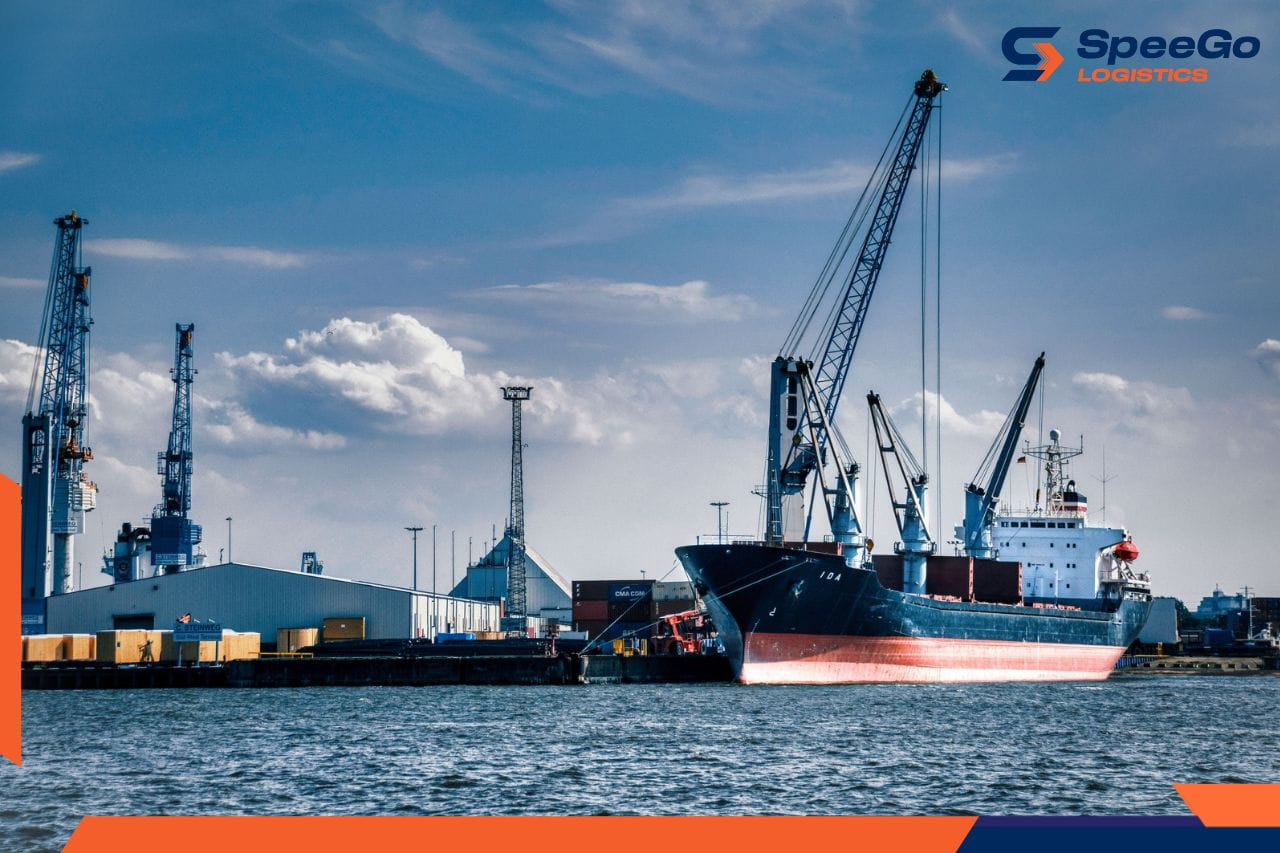
Efficient logistics operations make it easier for businesses to expand into new markets.
As a business grows, its demand for warehousing, inventory management, transportation, and order fulfillment also increases. The company may need to invest in additional warehouse space, personnel, vehicles, and new management systems.
A 3PL provider, however, can help businesses adjust their service capacity according to actual demand. This may include expanding warehouse space, increasing order-processing capacity, or extending delivery coverage.
This flexibility is particularly useful for e-commerce businesses experiencing seasonal fluctuations, promotional campaigns, or changes in sales volume.
Leverage the Experience and Technology of 3PL Providers
Professional 3PL providers typically have experience in transportation management, warehousing, order fulfillment, and coordinating with multiple partners across the supply chain.
They may also invest in technologies and management systems such as:
- WMS (Warehouse Management System): A system for managing warehouse operations.
- TMS (Transportation Management System): A system for managing transportation activities.
- OMS (Order Management System): A system for managing customer orders.
- Barcode and RFID: Technologies for identifying and tracking goods.
- API Integration: Connecting and exchanging data between different systems.
By working with a 3PL provider, businesses can leverage established processes and technology instead of developing everything from scratch.
What Are the Disadvantages of Third-Party Logistics for Businesses?
Although it offers many benefits, the 3PL model also has several limitations that businesses should consider before signing a service agreement.
Dependence on the Provider’s Service Quality
When logistics activities are outsourced, part of a business’s operations depends on the capabilities and performance of its 3PL provider.
Example:
If the provider delivers shipments late, manages inventory inaccurately, processes orders incorrectly, or fails to coordinate effectively, the business may face customer complaints and potential damage to its brand reputation.
Therefore, evaluating a provider’s capabilities, experience, management systems, and service quality is essential.
Reduced Direct Control Over Logistics Operations
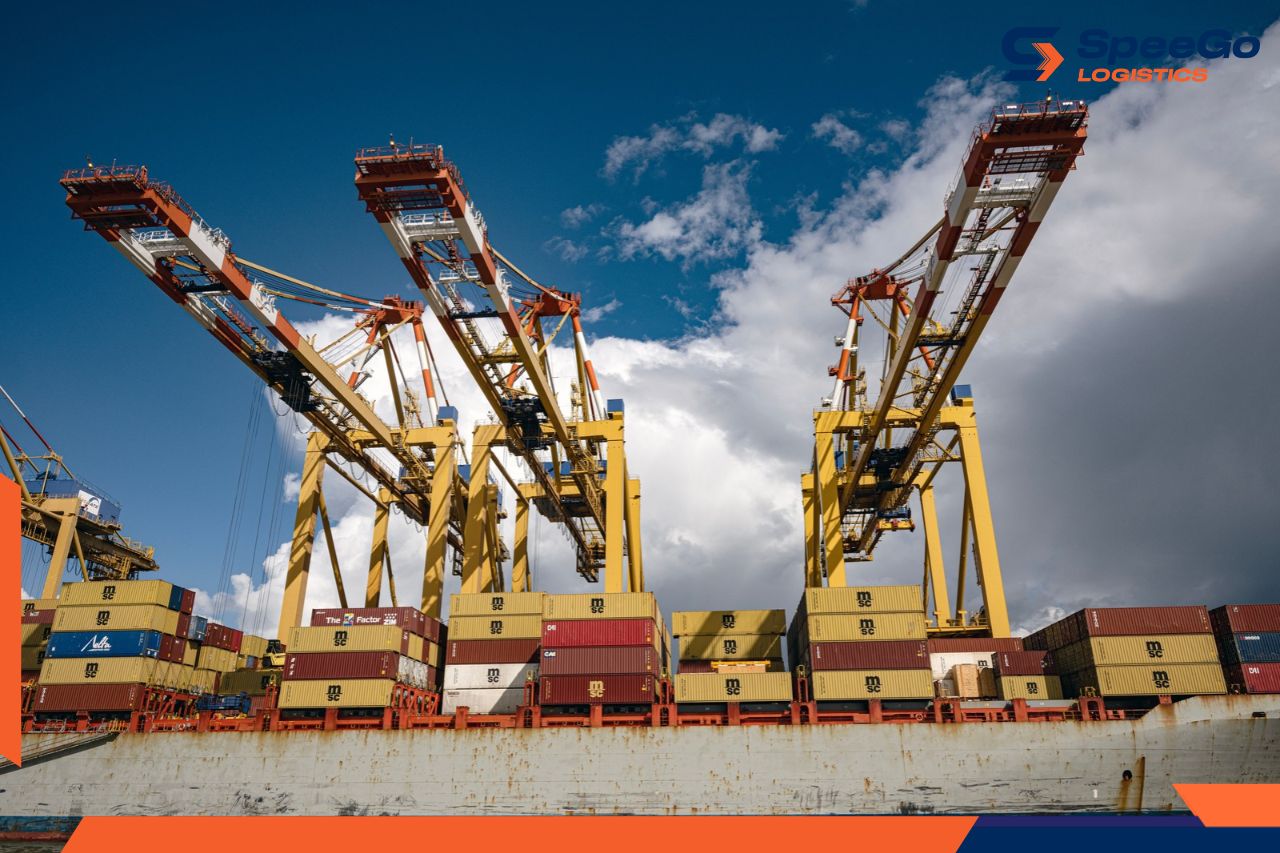
Businesses have limited control over operational processes.
When managing logistics in-house, businesses can directly control their personnel, warehouses, vehicles, and operational processes.
In contrast, when using 3PL in logistics, businesses must coordinate with their service providers to carry out the outsourced activities.
Some decisions regarding transportation schedules, cargo handling, or delivery procedures may not be entirely under the business’s direct control.
To minimize these risks, both parties should clearly define their coordination procedures, data access rights, reporting requirements, and service performance indicators (KPIs/SLAs).
Costs May Increase When Requirements Change Frequently
Outsourcing logistics services does not necessarily mean that every cost will be lower than managing operations in-house.
Additional charges may arise when businesses change their requirements or exceed the service scope defined in the contract. These may include:
- Extended storage fees.
- Special cargo handling fees.
- Additional picking, packing, or order-processing fees.
- Transportation surcharges outside the agreed service scope.
- Returns management or long-term inventory handling fees.
Without proper control over pricing structures and contractual terms, the total cost of using 3PL services can increase significantly as the scale or nature of business operations changes.
Therefore, businesses should request detailed quotations, clarify all potential additional charges, and regularly compare actual expenses against their logistics budgets.
Conclusion
3PL (Third-Party Logistics) is an outsourcing model that allows businesses to leverage the resources, infrastructure, and expertise of professional logistics providers. From transportation and warehousing to inventory management, fulfillment, and reverse logistics, 3PL can support multiple stages of the supply chain.
If your business is looking for international transportation and logistics solutions from Vietnam or China to the U.S., Canada, or Australia, contact SpeeGo Logistics to discuss a solution that matches your operational requirements.
