Why shipping delays: Causes and how to resolve them

Shipping delays occur when cargo arrives later than its estimated delivery date. A delayed shipment typically happens when cargo misses a critical milestone, such as vessel departure, customs clearance, or final-mile delivery. The main causes are unforeseen disruptions (weather, port congestion), vessel schedule changes, documentation errors, and shipper-side mistakes.
This SpeeGo guide helps importers and exporters understand each cause, resolve a customs hold quickly, and put the most effective prevention measures in place.
Who is responsible for shipping delays?
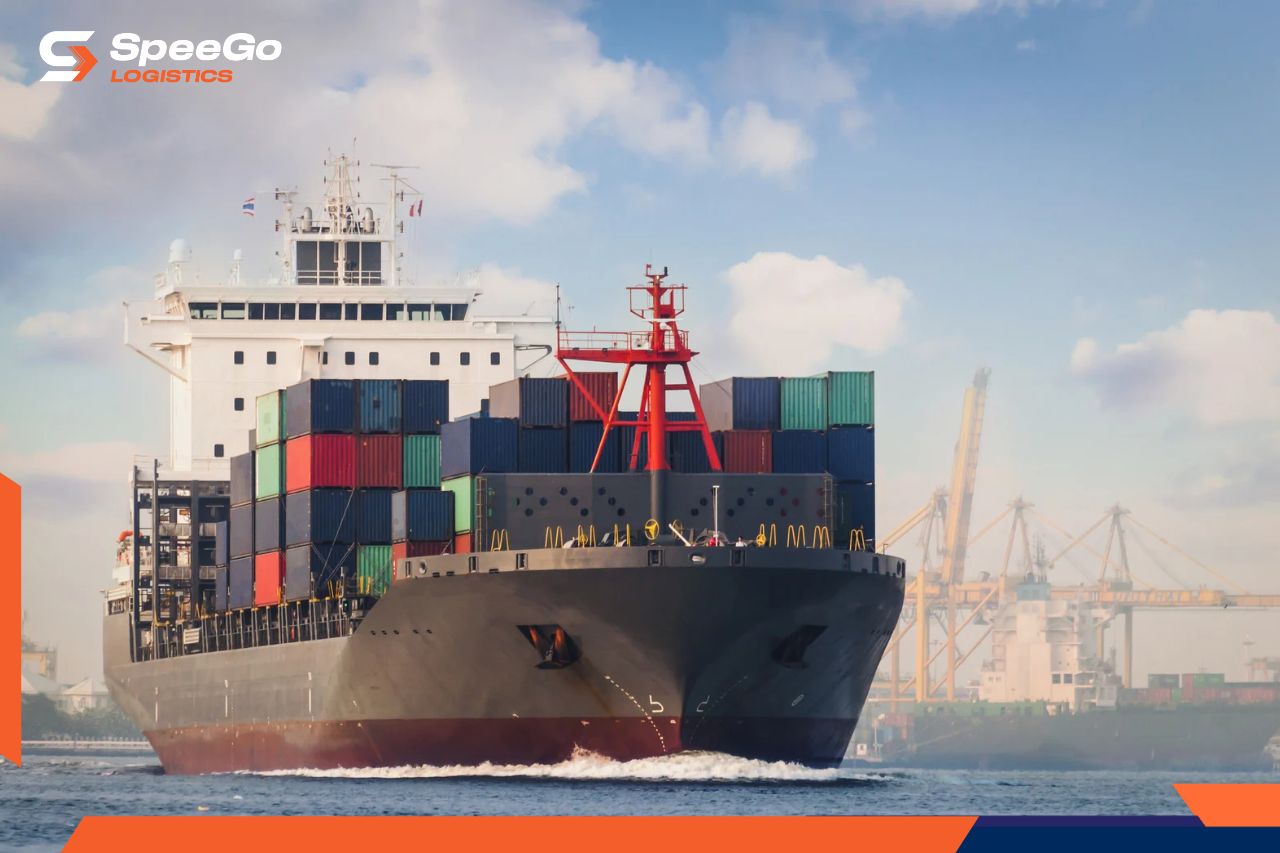
Identifying the root cause of shipping delays helps assign responsibility and resolve issues quickly
When delivery runs late, identifying which category the cause falls into helps you assign responsibility correctly and choose the fastest fix:
- External factors (from the transportation network): Bad weather, port congestion (terminals overwhelmed by vessel volume), or rolled cargo (freight bumped from a vessel because the carrier changed its schedule or capacity);
- Shipper-side factors: Problems that start before the cargo ships, such as missing or incorrect customs documents, or delivering cargo to the terminal after the carrier’s receiving cutoff.
Pinpointing the cause lets you work proactively with your logistics provider to resolve the issue in time, which limits both the risk and the storage and demurrage costs.
Common reasons for shipping delays?
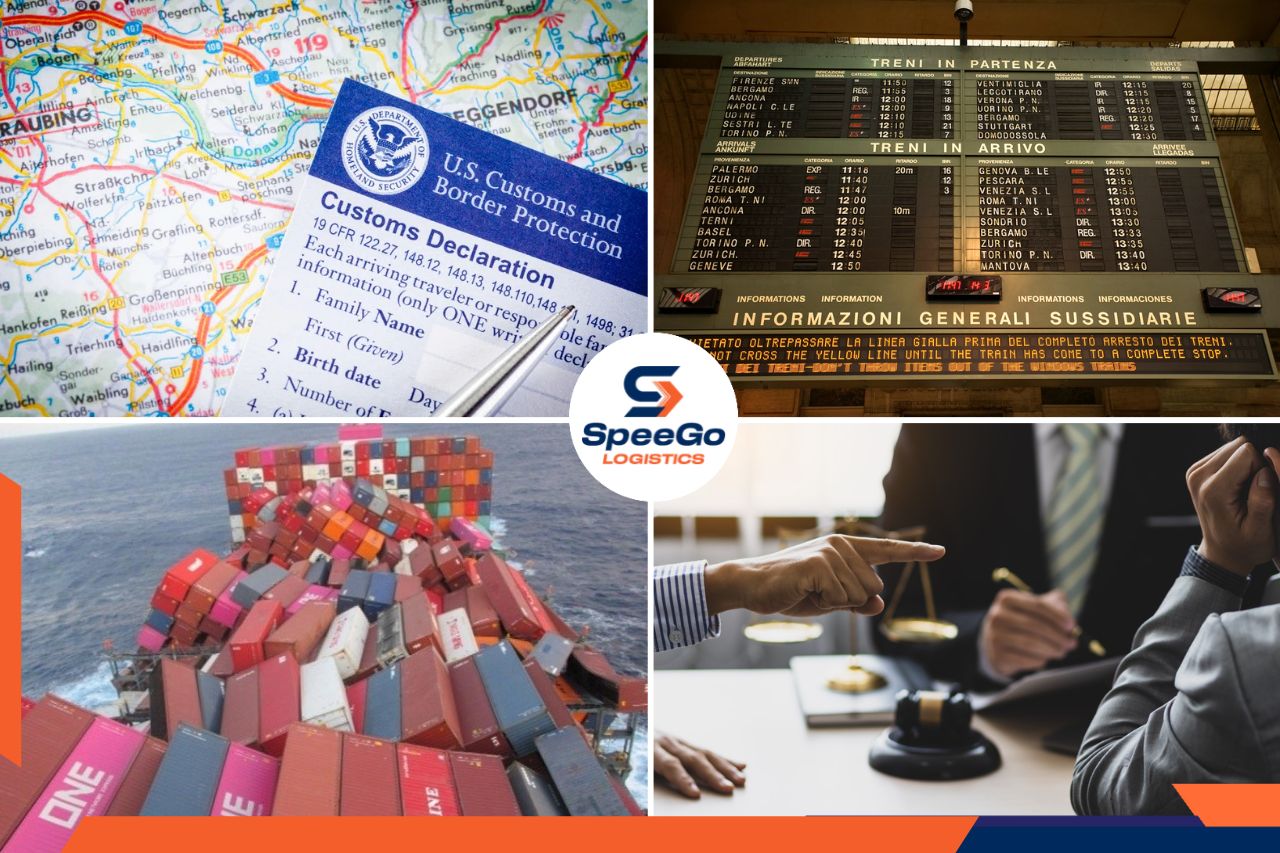
Top reasons for delayed shipments in the supply chain
Below are the most common reasons for late shipments in the supply chain, so you can recognize risks early and determine who is responsible.
Documentation and customs clearance issues
These causes are controlled mainly by the shipper, the freight forwarder, or customs authorities. Depending on severity, late deliveries can range from a few days to more than two weeks.
- Incorrect or missing documents (HS codes, commercial invoice, packing list, certificate of origin) typically add 1 – 5 days for corrections. Errors caught at the border add another 3 – 7 days;
- Customs document review takes about 1 – 3 business days, while a physical cargo exam can take 5 – 15 business days;
- Sudden policy changes by importing countries. For example, U.S. Customs and Border Protection (CBP) ended the indefinite duty-free treatment of low-value shipments effective June 24, 2026, so businesses must now file full declarations.
Vessel schedule changes and network disruptions
These disruptions are entirely within the carrier’s control and often add 5 – 14 days of waiting time for importers.
- Blank sailings: The carrier cancels a voyage without notice, so cargo sits in the yard until the next available sailing;
- Rolled cargo: Your shipment is not loaded on the booked vessel because the carrier is short on space, or because the shipper missed the documentation cutoff;
- Peak season and holidays: Peak shipping season typically runs from September through January. Around Lunar New Year (Tet), many factories close for more than a week, and it can take nearly a month for production to return to normal.
Force majeure events
These events are beyond the control of every party involved (shipper, forwarder, and carrier). The resulting delay cannot be predicted accurately and can range from a few days to several weeks.
- Weather and maritime incidents: Typhoons, flooding, or serious incidents along the ocean route. For example, vessels rerouting around the Cape of Good Hope can add roughly 7 days to transit time on Asia to U.S. East Coast lanes;
- Port congestion and strikes: These occur when vessel and container volumes exceed a terminal’s handling capacity, or when port workers go on a prolonged strike.
Shipper-side issues
Delays at this stage come entirely from the shipper’s preparation, and they can push back the entire downstream schedule.
- Production delays: The factory finishes the order later than planned, and the shipper has no buffer built into the timeline;
- Inaccurate delivery information: An incorrect address or contact phone number can cause the shipment to be held or returned;
- Unclear responsibilities: The workflow does not define who handles what, and when, between the shipper and the forwarder (for example, missing the deadline for submitting shipping instructions). Managing bookings across too many email threads also makes errors and missed details more likely.
How to clear a delayed customs shipment: The resolution process
Quicks steps to resolve a delayed customs shipment
When cargo cannot clear customs on time, businesses should quickly pinpoint where it is stuck, submit the missing documents, and line up an alternative plan if the hold drags on.
Customs clearance delay resolution process
A fast resolution process follows five steps:
- Identify the last tracking scan and the exact location where the shipment is being held;
- Contact your customs broker to confirm which documents or data are missing from the entry;
- Submit the missing paperwork immediately (customs typically takes 1 – 5 business days to resolve the issue once the file is complete);
- Rebook onto another vessel or switch transport modes if the disruption continues;
- Notify your trading partner (buyer or supplier) right away, and document the incident.
Recovery options for a late shipment
There are three common contingency options: rebook onto the next vessel, move the urgent portion of the cargo to air freight, or reroute the shipment.
At the same time, update your trading partner with the new estimated delivery date. If you do not yet have a confirmed schedule, say clearly that you are still verifying details with the carrier so your partner understands where things stand.
Tips to prevent international shipping delays

Top 3 effective tips to prevent international shipping delays
To keep your supply chain running smoothly, take preventive steps against risk. These three tips are the most effective for keeping international shipping schedules under control:
- Prepare accurate documents before cargo leaves the warehouse: Before handing cargo to the carrier, double-check the commercial invoice, packing list, bill of lading, and certificate of origin. Pay special attention to cross-checking the HS code and the declared customs value to avoid errors;
- Book early and build in buffer time: Reserve space early during peak season. Also add a few extra days to your transit schedule, especially around Lunar New Year (Tet);
- Track by milestone and review by trade lane: If there is no new status update within 24 hours, treat the shipment as at risk of delay and check on it immediately. Log each incident by trade lane and review the log regularly; if the same port or the same documentation cutoff keeps causing problems, adjust your plan.
With deep experience in import lanes from China and Vietnam into the U.S., Canada, and Australia, SpeeGo is committed to helping businesses keep tight control of every milestone, standardize customs documentation from the start, and build effective contingency plans. We can also support you with customs clearance exceptions when a shipment is held.
Contact us today for a free consultation or an instant quote on your shipment. Visit speegocorp.com for more import insights.
Related Articles