
Ocean Freight Services: Transit Times, Costs, and Shipping Process
Ocean freight plays a critical role in international trade, handling approximately 80% of global merchandise trade by volume (according to UNCTAD).
With its large cargo capacity, competitive pricing, and ability to connect markets worldwide, ocean freight is an essential shipping option for importers and exporters and a vital link in the global supply chain.
How long does ocean freight take, how much does it cost, and how does the process work?
If you’re looking for ocean freight services that balance shipping costs, delivery timelines, and your business’s import and export requirements, this guide from SpeeGo will walk you through the essentials.
We’ll explain how ocean freight rates are calculated, how long international ocean shipments take, and how SpeeGo Logistics manages the shipping process for businesses.
Ocean Freight Services by SpeeGo Logistics
At SpeeGo, ocean freight is a core service trusted by international businesses shipping goods from Vietnam and China to major markets, including the United States, Canada, Australia, and European countries.
Businesses don’t have to coordinate directly with ocean carriers or manage multiple service providers throughout the shipping process, from origin to final delivery.
With SpeeGo Logistics, you get more than transportation across the ocean. Our service covers the shipping process from start to finish, including booking, cargo loading, customs clearance, and final delivery to the destination.
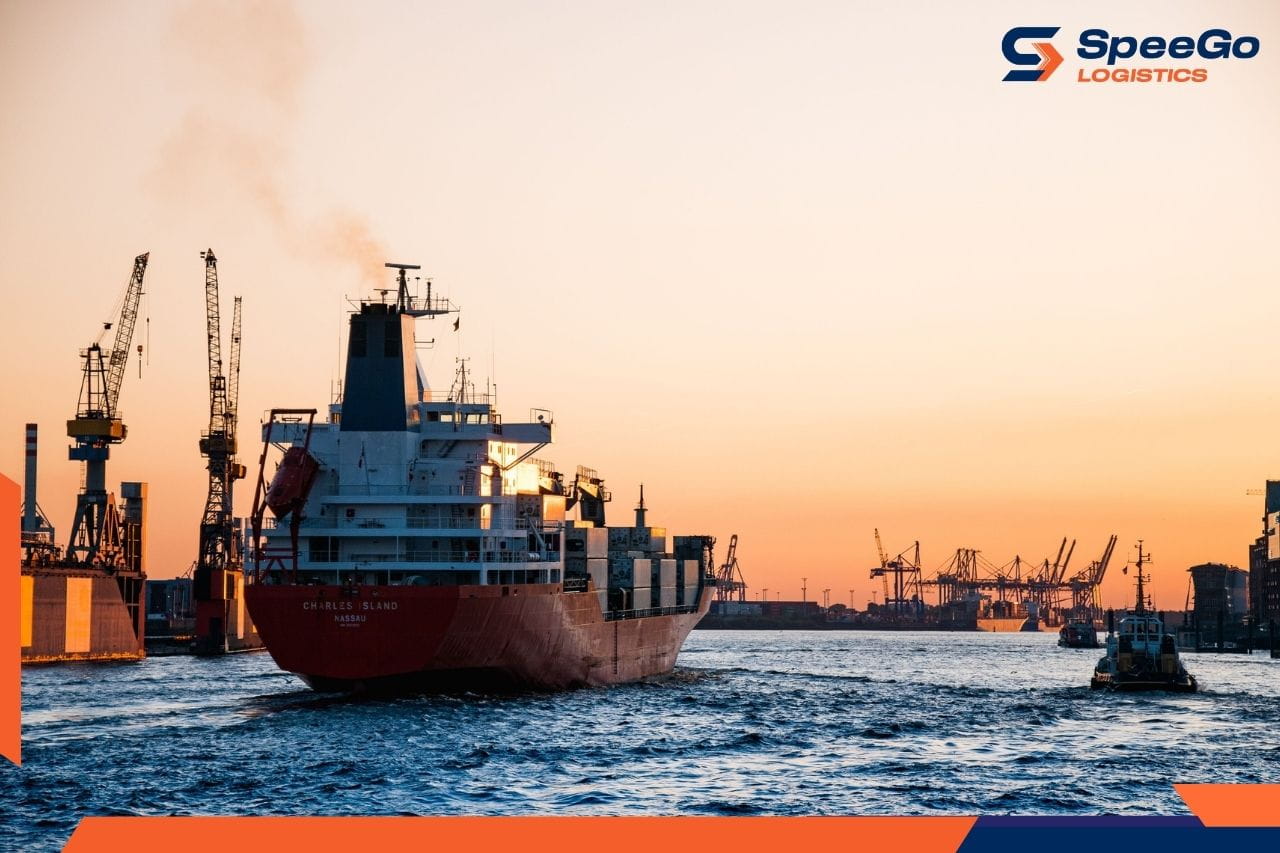
SpeeGo specializes in ocean freight shipping from China and Vietnam.
How Long Does Ocean Freight Shipping Take?
International ocean freight shipments, particularly those traveling across oceans, typically take 3 to 6 weeks.
Transit times vary considerably worldwide, ranging from as little as 5 days to more than 45 days, depending on geographic distance, weather conditions, and the actual operating schedules of the ports involved.
For its key China-to-U.S. shipping route, SpeeGo Logistics typically maintains an overall shipping timeline of approximately 30–45 days.
Ocean freight transit times by route
To help businesses plan production schedules and distribution more effectively, the table below provides estimated transit times for specific shipping routes.
| Shipping Route | Estimated Transit Time |
|---|---|
| China → United States | 30–45 days |
| China → Canada | 30–45 days |
| China → Australia | 20–35 days |
| Vietnam → United States | 25–40 days |
| Vietnam → Canada | 25–45 days |
| Vietnam → Australia | 20–30 days |
In practice, transit times depend on the destination port’s location (U.S. East Coast or West Coast), carrier schedules, port congestion, and other external factors, including weather conditions.
Factors that affect ocean freight transit times
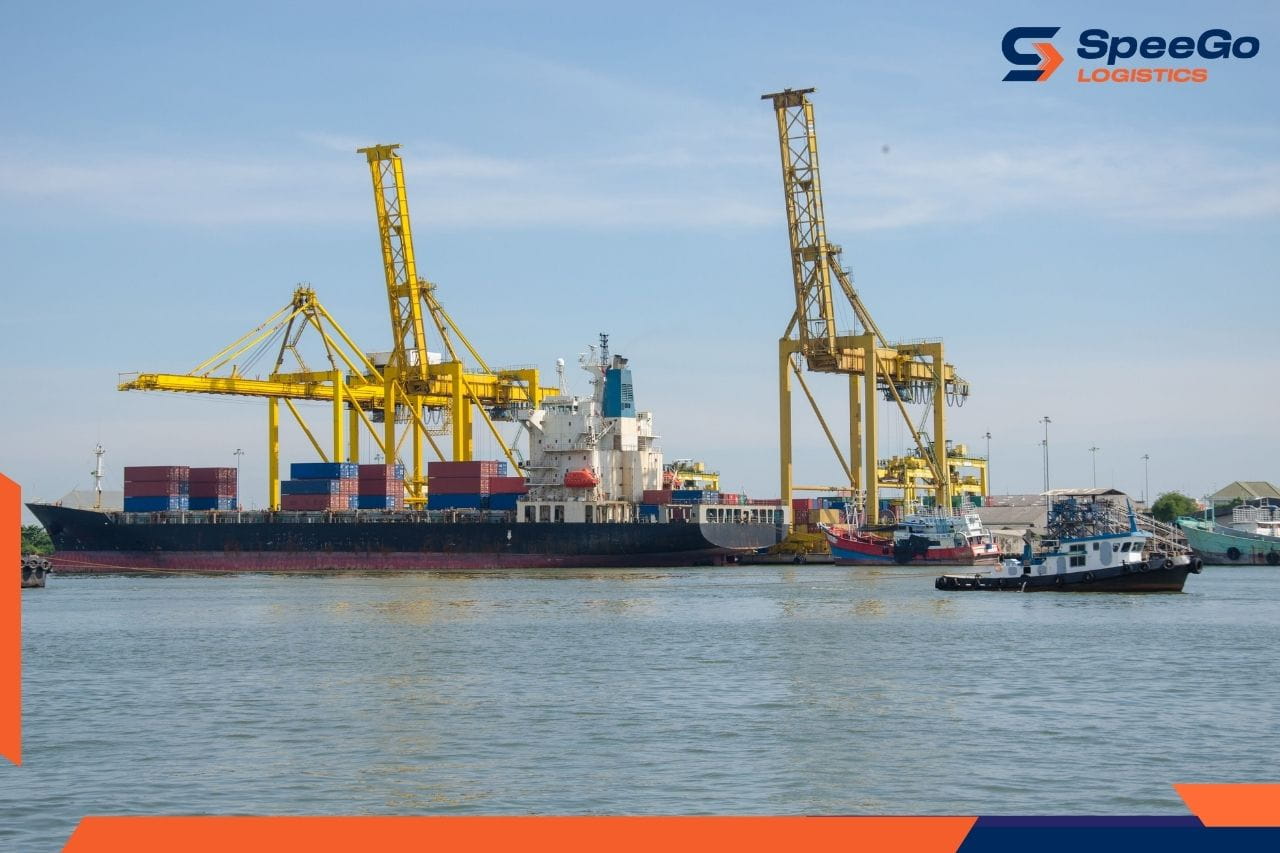
What factors can affect shipping times?
- Port congestion: Often occurs during peak shipping seasons and major holidays, when cargo volumes surge and vessels may have to wait offshore for several days before unloading.
- Adverse weather conditions: Severe storms, rough seas, or fog may force vessels to reduce speed or change course to maintain safety.
- Customs clearance issues: Incomplete documentation or incorrect declarations can result in cargo holds for inspection, delaying cargo release.
- Maritime incidents and geopolitical disruptions: Regional conflicts or canal blockages may force vessels to take longer alternative routes, extending transit times.
- Port operation disruptions: Labor strikes or shortages of cargo-handling workers during extended holiday periods can interrupt port operations.
How are ocean freight rates calculated?
Total ocean freight shipping costs generally consist of three main components: ocean freight charges, port fees, and carrier surcharges.
The ocean freight charge is calculated differently depending on how the cargo is shipped:
- Full Container Load (FCL): A flat rate is charged per container, based on the container type and size, such as 20-foot or 40-foot containers.
- Less than Container Load (LCL): Charges are based on cargo volume (cubic meters, or CBM) or weight (metric tons).
Factors that affect ocean freight costs
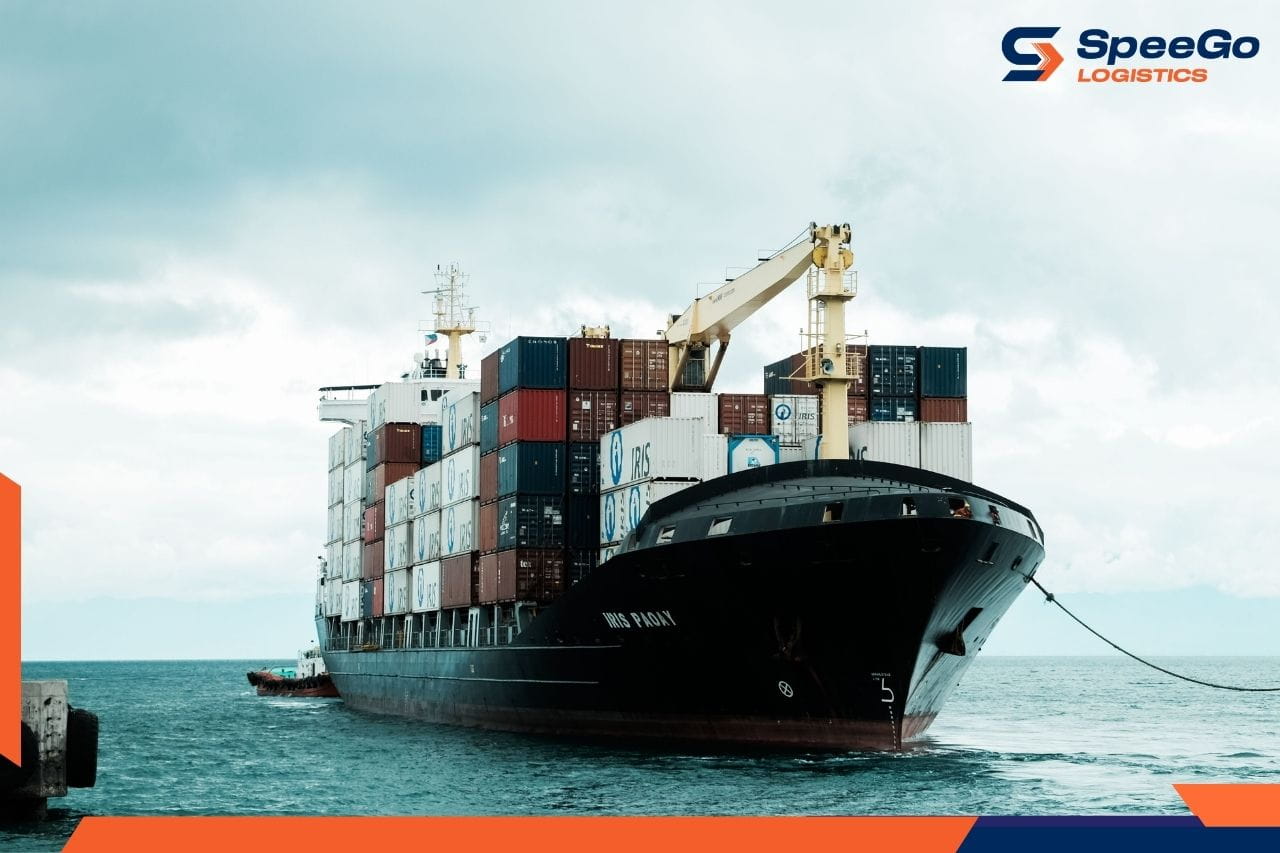
What factors affect ocean freight quotes?
Ocean freight rates are not fixed. They fluctuate based on several key factors:
- Shipping route and service type: The origin port, destination port, and required service scope, such as port-to-port or door-to-door shipping.
- Shipping method and cargo specifications: Whether the shipment uses FCL or LCL service, along with the container type and size.
- Carrier and terminal surcharges: Common charges include cargo handling fees and fuel surcharges.
- Market conditions: Peak-season surcharges, exchange rate fluctuations, and geopolitical developments.
How LCL freight charges are calculated
Freight forwarders compare the cargo’s actual weight in metric tons with its volume in cubic meters (m³). The greater figure is used as the basis for calculating freight charges.
Example: Your shipment weighs 7 metric tons but occupies 10 m³ because of its bulky dimensions. The final freight charge will be calculated based on the 10 m³ volume.
What does an ocean freight quote include?
A comprehensive quote should clearly itemize each charge. The table below outlines the key cost components businesses should review before confirming a shipment.
| Cost Component | What to Check |
|---|---|
| Base ocean freight | Whether the rate is charged per container or by LCL measurement |
| Origin charges | Cargo handling, documentation, and consolidation fees |
| Destination charges | Handling, cargo release, and LCL deconsolidation fees |
| Surcharges | Fuel, security, and peak-season surcharges |
| Inland transportation | Whether transportation to the warehouse is included |
| Customs clearance | Service fees and whether duties and taxes are excluded |
| Cargo insurance | Whether insurance is included, optional, or purchased separately |
Additional costs to watch for
Unexpected charges are often excluded from the initial quotes provided by ocean freight services providers. Two of the most common are demurrage and detention.
- Demurrage: Charges incurred when a container remains at the port or terminal beyond the allotted free time.
- Detention: Charges incurred when a container is kept outside the port or terminal beyond the allotted free time.
Other potential costs include customs inspection fees, storage charges, shipment information amendment fees, and delays caused by incomplete documentation. These issues can keep cargo at the port longer than expected.
Related reading: 100+ Essential Logistics Terms Every Beginner Should Know
SpeeGo Logistics’ Ocean Freight Shipping Process
At SpeeGo Logistics, the shipping process is organized into six stages to help ensure smooth import and export operations. Each stage involves specific tasks, as outlined below.
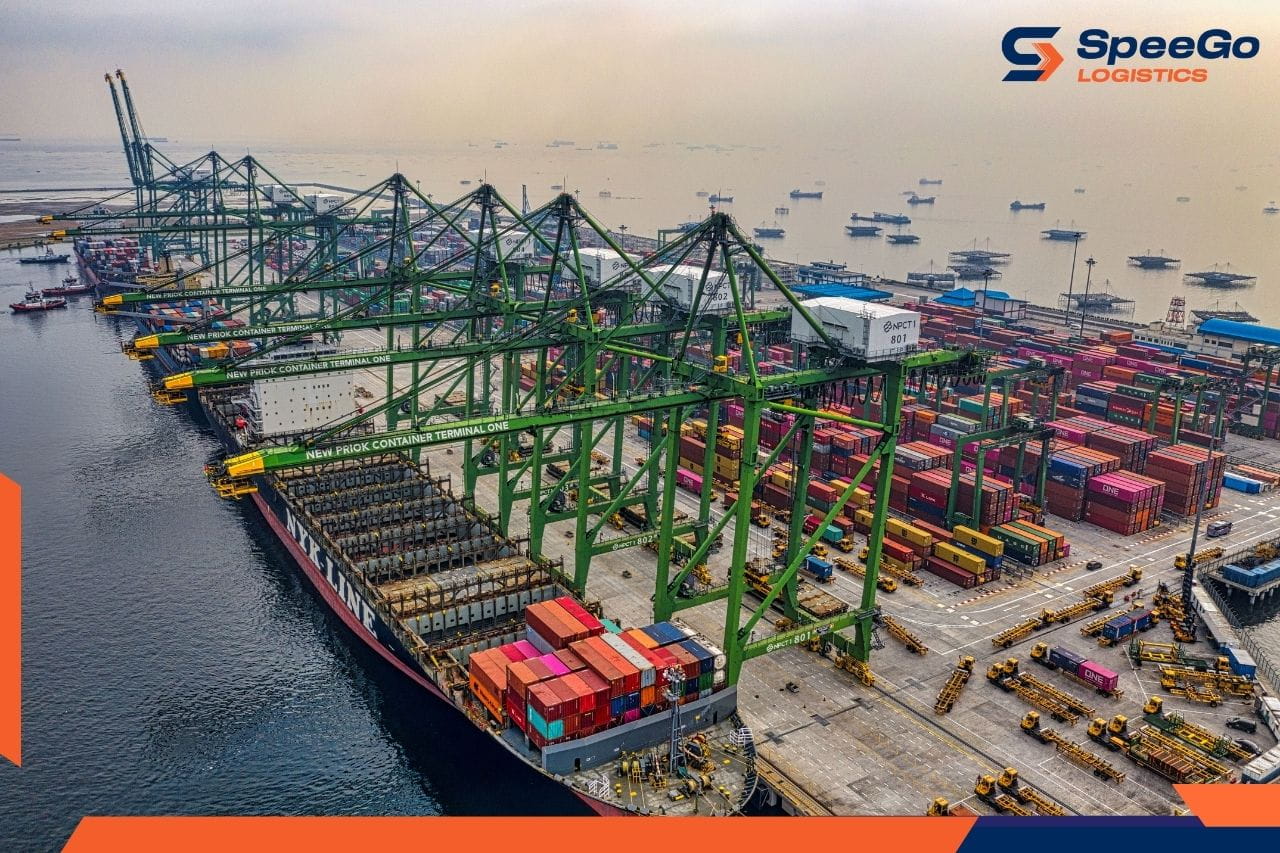
How does SpeeGo’s ocean freight shipping process work?
Step 1: Booking
Based on the shipment’s actual volume, the freight provider recommends either FCL or LCL shipping.
The appropriate container type is selected, and cargo space and vessel schedules are confirmed with the ocean carrier.
Step 2: Cargo Loading
Goods are sorted, packaged according to applicable requirements, and carefully loaded into containers at the shipper’s warehouse or manufacturing facility.
Proper loading helps protect the cargo from movement, vibration, and environmental changes throughout the long journey.
Step 3: Export Customs Clearance
The container is delivered to the origin port terminal for weight verification, security screening, and processing of the required export customs documentation.
The shipment must receive export customs clearance before it can be loaded onto the vessel.
Step 4: Ocean Transportation
This is the main transportation stage of the shipping process. The vessel departs the origin port and carries the cargo across the ocean.
Transit times can range from several days to several weeks, depending on the shipping route and the carrier’s operating schedule.
Step 5: Import Customs Clearance
Once the vessel arrives at the destination port, the consignee or freight forwarder initiates the import customs entry process.
This stage involves carefully verifying the shipping documents and fulfilling the applicable customs duties, taxes, and other regulatory payment obligations in the destination country.
Step 6: Final-Mile Delivery
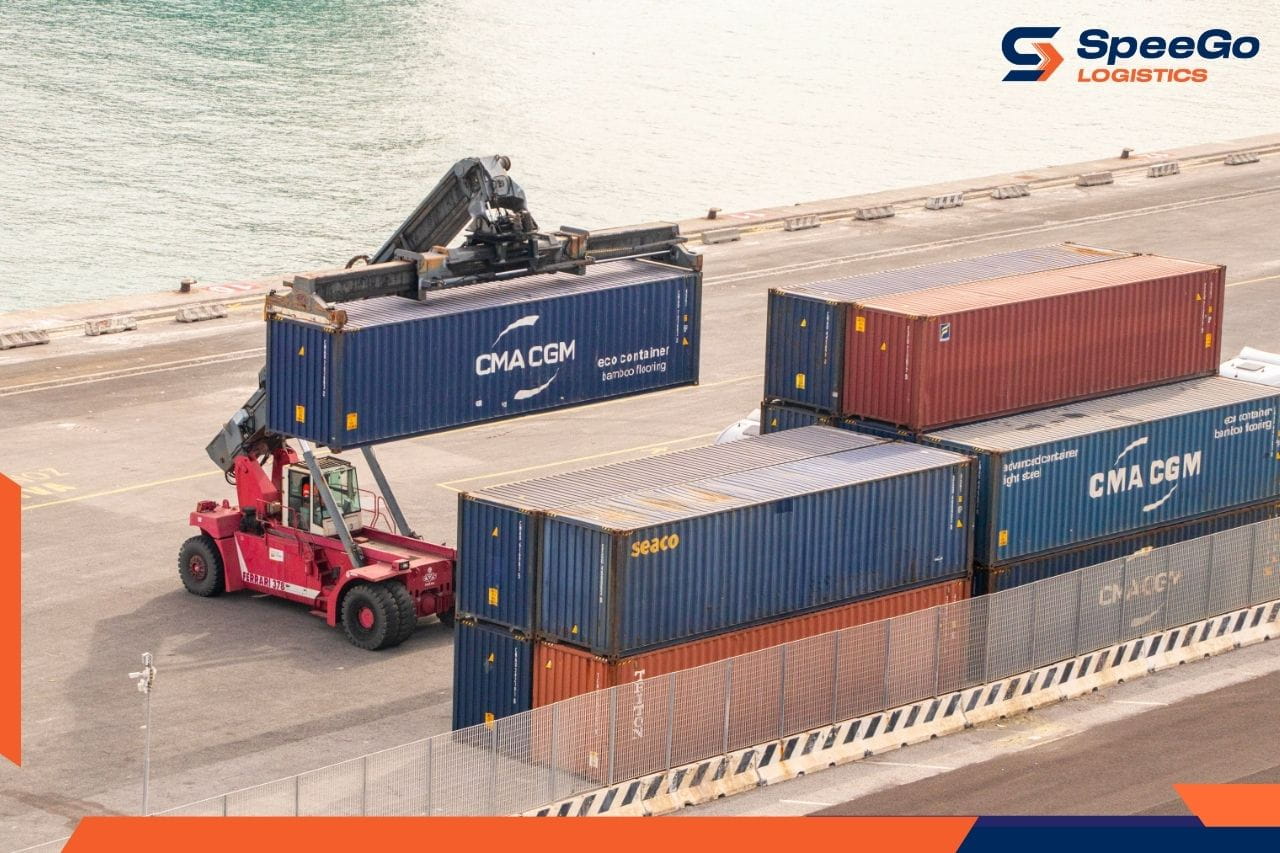
Once the cargo arrives at the port, it will be transported inland to the delivery destination.
After customs releases the shipment from the port, containers or loose cargo are transported by inland transportation services, such as tractor-trailers, trucks, or rail, to the consignee’s warehouse. This completes the shipping and delivery process.
Frequently Asked Questions About SpeeGo’s Ocean Freight Services
Below are answers to some of the most common questions businesses and individual customers ask about SpeeGo Logistics’ ocean freight solutions.
Which countries does SpeeGo ship from?
SpeeGo currently supports shipping routes from China and Vietnam to destination markets including the United States, Canada, Australia, and European countries.
What information do businesses need to provide for an ocean freight quote?
Businesses should provide several basic details, including the cargo pickup location, port of loading, port of discharge, commodity type, quantity, weight, and shipment dimensions.
For FCL shipments, provide the number and size of containers required. For LCL shipments, include the total number of packages, their combined weight, and the dimensions of the packaged cargo to help optimize shipping costs.
Note: An initial quote may not be 100% accurate because the final freight rate can still depend on additional factors.
Does SpeeGo help with customs clearance and import/export documentation?
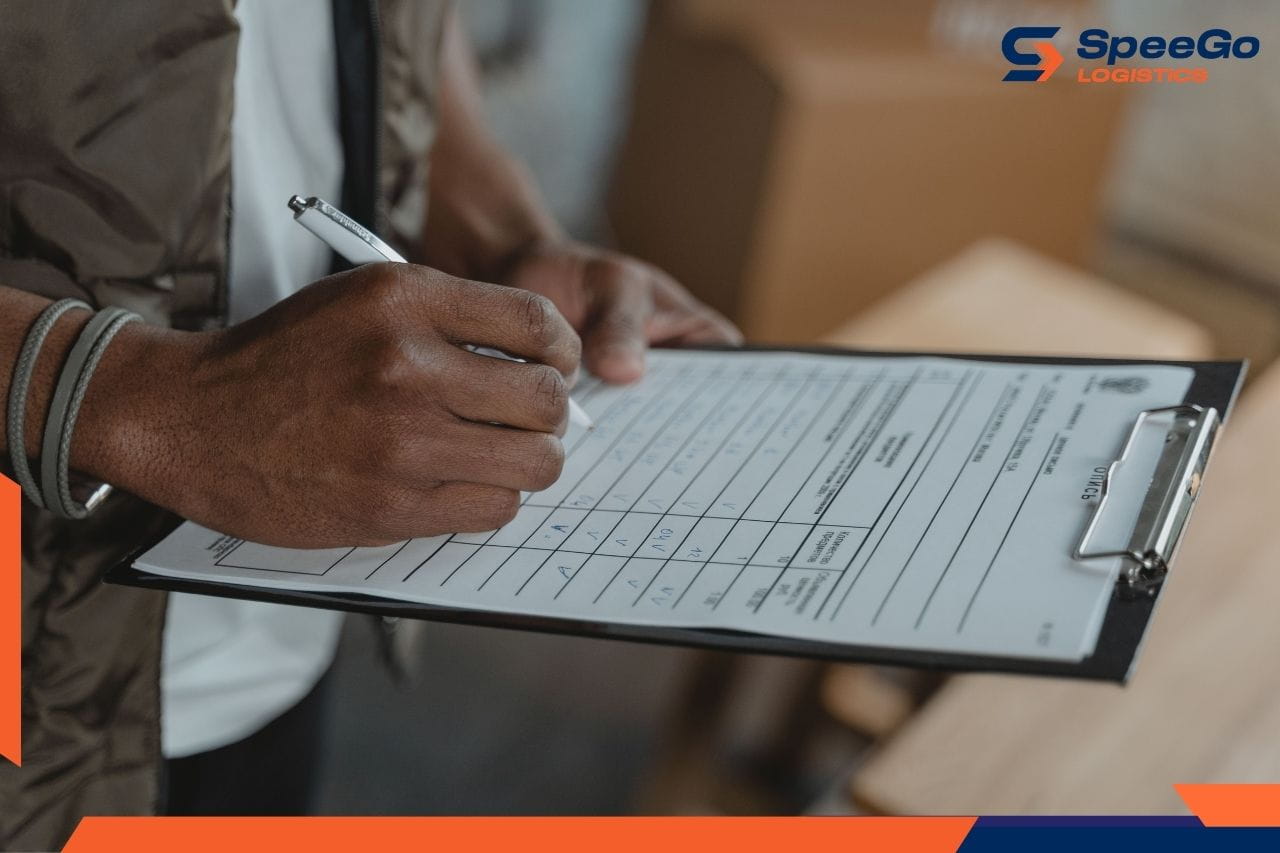
Does SpeeGo help with import/export documentation and customs procedures?
Yes. SpeeGo helps businesses coordinate customs clearance procedures and import/export documentation for international shipments, depending on the shipping route and the agreed scope of services.
Ocean freight services are generally the most cost-effective option for large shipments that do not require urgent delivery. Shipping costs depend on the route, the shipping method (FCL or LCL), and any applicable surcharges.
Although delivery can take several weeks, a transparent, itemized quote helps businesses, especially those new to international shipping, understand and manage costs from the outset.
Contact SpeeGo Logistics for a free consultation and an ocean freight quote tailored to your shipping needs!
