What are top freight forwarder selection criteria for B2B?
Freight forwarder selection criteria help importers find a dependable logistics partner and avoid delays and hidden costs. Don’t choose on the lowest rate alone. Evaluate every candidate on four points: trade lane strength, all-in quote transparency, customs clearance capability, and accountability when problems occur.
This guide from SpeeGo Logistics explains how to choose a freight forwarder and evaluate international freight forwarders before you commit.
What are the criteria for choosing a reliable freight forwarder?
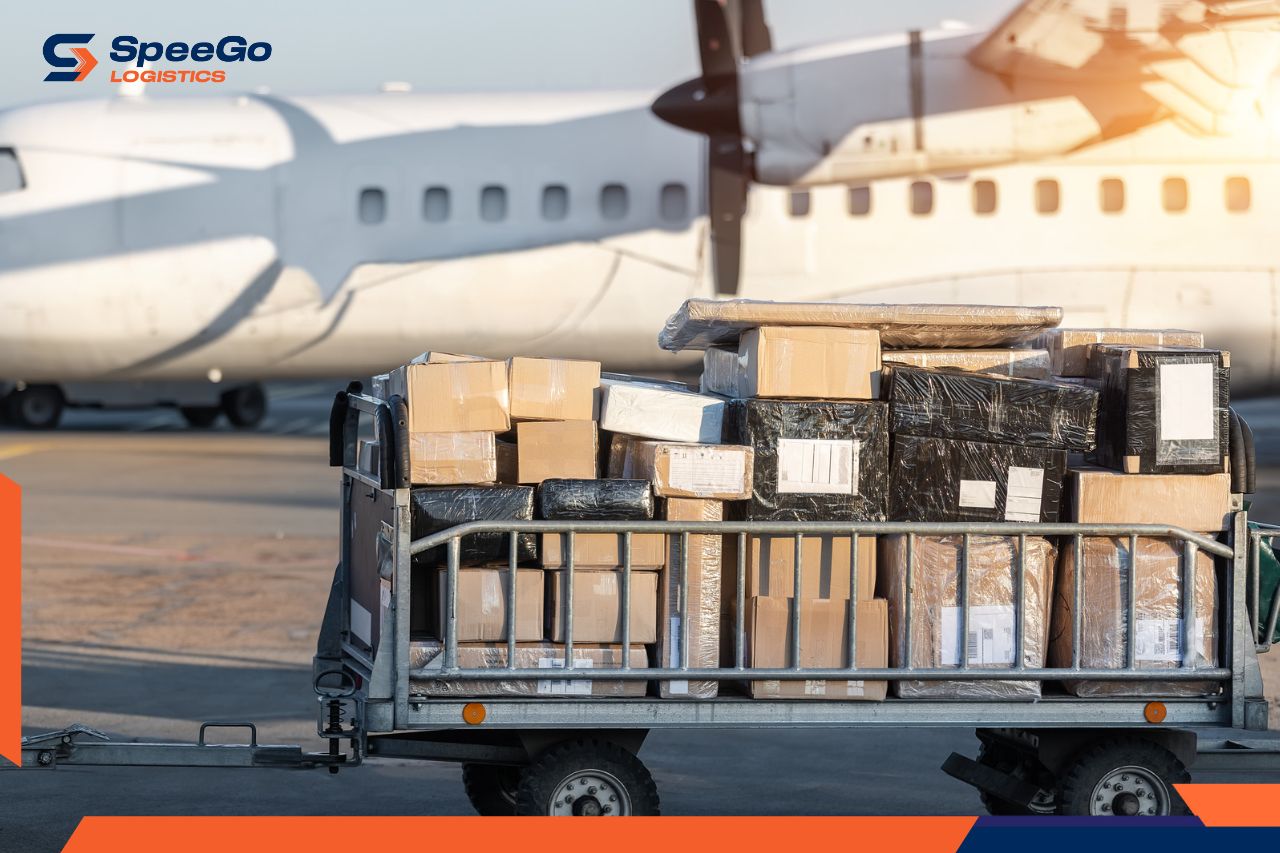
Core criteria for choosing a reliable freight forwarder
A reliable freight forwarder meets three core requirements: legal and operational credibility, transparent pricing, and a clear claims process backed by cargo insurance. These three factors determine whether your shipment clears customs smoothly, arrives on schedule, and stays within budget.
Below, SpeeGo breaks down each group so you can vet a partner before you sign.
- Verified legal standing: The forwarder must hold a valid business license, especially for ocean shipments to the U.S;
- Experience on your trade lane: A dependable partner runs regular sailings. It also has its own offices or an agent network in both the origin and destination countries, which speeds up customs clearance;
- Recognized certifications: Programs such as AEO (Authorized Economic Operator, a customs trusted-trader program in the EU and many other major markets) show that a forwarder complies with supply chain security standards;
- Capability to handle your cargo type: Confirm in advance that the forwarder can move specialized freight. This includes dangerous goods, perishables, oversized or overweight cargo, and high-value shipments.
SpeeGo Logistics is headquartered in the U.S. and specializes in importing goods from China and Vietnam into the U.S., Canada, and Australia. Operating directly at both ends of the lane lets SpeeGo manage compliance closely and keep clearance on schedule. With a team that knows import regulations well, SpeeGo helps your cargo clear customs safely at an optimized cost.
What are the warning signs of an unreliable freight forwarder?
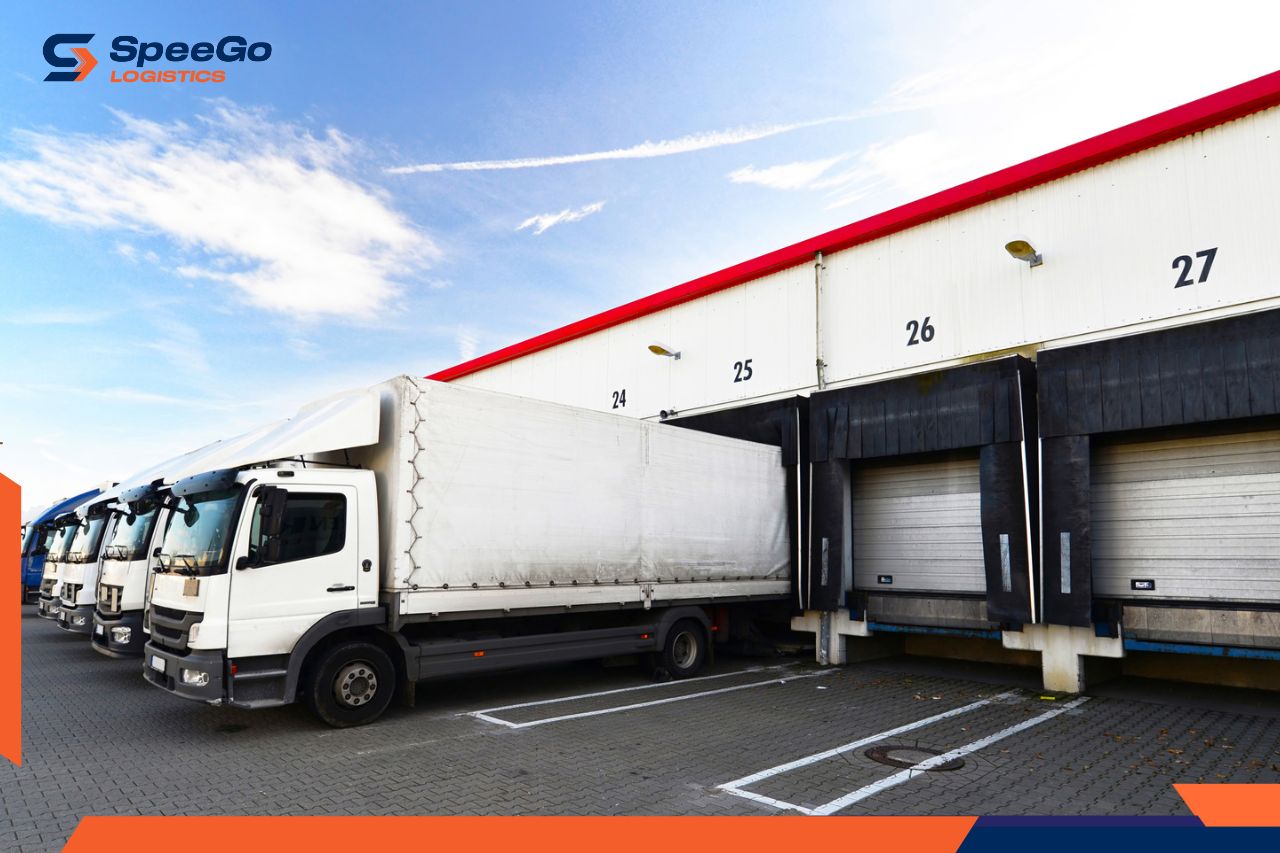
Warning signs of an unreliable freight forwarder
In international trade, handing cargo to an unqualified partner can cost you heavily in money and time. Unreliable forwarders tend to cut corners, stay vague about fees, and promise more than they can deliver.
When you work with a new forwarder, pause if you see any sign below. Verify it before you pay a deposit or sign a contract.
- A quote with no cargo details collected: A professional forwarder needs basic specs before quoting, such as commodity, dimensions, weight, and handling requirements. A rushed quote that skips this step points to weak expertise;
- A vague cost structure: The forwarder cannot, or will not, explain which charges are included in the total quote and which are not;
- A “100% customs clearance” guarantee: Customs is an independent enforcement agency in every country. No forwarder can guarantee a shipment will avoid inspection or holds;
- Refusal to name local partners: The forwarder hides the names of its agents, carriers, or the partners handling cargo at the destination port;
- Unclear legal standing: The forwarder cannot show a valid operating license or required international certifications;
- No written terms: Agreements happen only by phone or personal messaging, with no contract or written terms of service;
- No claims process or point of contact: No one is assigned to your shipment, and there is no clear procedure for compensation if cargo is damaged or lost;
- Unusual payment requests: You are asked to wire freight charges to a personal account or to a third-party company whose legal name does not match the contract.
Rate differences between forwarders are normal. But an unusually low price often signals cut-rate service, fraud, or hidden surcharges at the destination port. A reputable logistics provider is transparent about every cost and willing to explain how it built the price.
What questions should you ask a freight forwarder before booking?

Checklist of 20 must-ask questions for your freight forwarder
To protect your shipment and limit surprises, ask the forwarder to answer these 20 questions in writing.
- Do you operate this trade lane regularly, and do you have an established partner network on it?
- Do you have the capability, equipment, and licenses to handle my specific cargo (for example, dangerous goods, oversized freight, or perishable food)?
- Which service do you recommend: ocean FCL, LCL, air freight, or intermodal?
- Is the routing a direct service, or will the cargo transship through intermediate ports?
- Does the quote include pickup from the factory and final delivery?
- Which charges does the current quote include, and which does it exclude?
- Which surcharges could increase or be added after the booking is confirmed?
- How long is this quote valid?
- Are import duties and destination customs fees included in the quote?
- How many days of free time do I get for container use at the port?
- How are late-return penalties calculated, including port demurrage, detention (container held at my own warehouse), and storage fees?
- What are the written payment terms and cancellation penalties?
- Who will handle import customs clearance at the destination port?
- Who will serve as the importer of record on the customs entry?
- Which import and export documents do I need to prepare and provide?
- How will I get shipment updates: tracking software, email, or another channel?
- Who is my dedicated point of contact for this shipment?
- If the cargo is rolled or delivery is delayed, what is your recovery process?
- What cargo insurance options do you offer?
- What are the steps for filing a claim, assessing damage, and receiving compensation if cargo is damaged or lost?
How do you choose a freight forwarder for your business size?

How to choose a shipping unit suitable for the size of your business
Your business size and shipping volume shape the criteria for choosing a freight forwarder. Small sellers need flexibility and fast support. Frequent importers need stable pricing and strong consolidation capability.
What should international sellers and small businesses prioritize?
Small shipments rarely fill a container. International sellers and small businesses should look for LCL (less-than-container-load) services with fast quotes and direct support from a person, not just an automated system. Destination port charges should also be disclosed up front.
The largest logistics providers are not always the best fit. A mid-sized, flexible forwarder that is easy to reach often delivers better results.
SpeeGo Logistics supports Vietnamese sellers selling globally, Vietnamese American customers, and U.S.-based customers. It offers ocean and air freight, plus fulfillment services (warehousing, packing, and last-mile delivery to the buyer). These services cover imports from China and Vietnam into the U.S., Canada, and Australia.
See more: Fulfillment services
What should frequent importers look for in a partner?
Regular importers should prioritize stable long-term rates and the ability to consolidate cargo from multiple suppliers. Before you sign a long-term contract, run a few trial shipments. Use them to judge clearance speed and how well the forwarder handles problems.
Choosing a reliable freight forwarder is a solid foundation for optimizing costs, protecting your cargo, and reducing risk.
SpeeGo Logistics offers an integrated, end-to-end service chain. It combines sourcing (finding factories at the source), factory or warehouse quality control (QC), and ocean or air freight with Door-to-Door DDP service that includes customs clearance. SpeeGo imports goods from Vietnam and China directly to customers in the U.S., Australia, and Canada.
If you have questions about import procedures or want to optimize freight costs, contact SpeeGo Logistics today for a free consultation and a detailed quote.
Related Articles