
What Is a Freight Forwarder? What Responsibilities Are They Not Responsible For?
Simply put, a Freight Forwarder is an intermediary between cargo owners and transportation providers. They help businesses organize, coordinate, and manage various activities involved in an international shipment.
For businesses without a dedicated logistics team, hiring a freight forwarder can provide support with everything from transportation planning and booking to documentation, customs clearance, and shipment tracking.
Freight Forwarder is a very familiar term in international trade.
Understanding what a freight forwarder does and where their responsibilities begin and end helps businesses monitor shipment progress and minimize unnecessary risks involving costs, cargo, and delivery schedules.
In this article, let’s take a closer look with SpeeGo Logistics.
What Is a Freight Forwarder?
A Freight Forwarder is a company that provides freight forwarding and transportation coordination services, connecting cargo owners with carriers and other parties involved in the logistics chain.
Like logistics companies, freight forwarders can arrange shipments by ocean, air, or road, or combine multiple transportation modes depending on a business’s requirements.
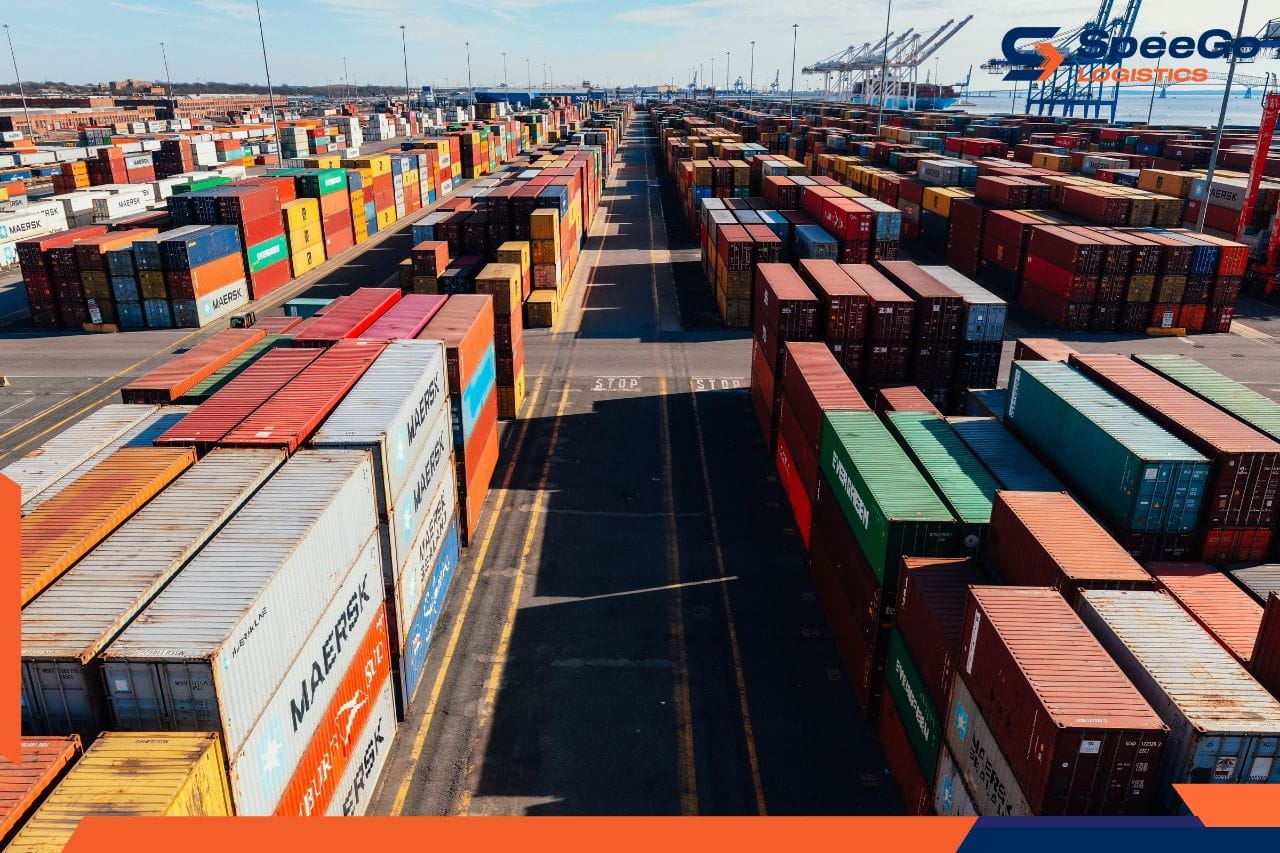
A freight forwarder is an intermediary that helps businesses arrange the international transportation of goods.
For example, if you need to ship a cargo shipment from Vietnam to the United States but don’t want to deal directly with shipping lines, airlines, documentation, and customs procedures, a freight forwarder can coordinate these activities on your behalf.
In most cases, freight forwarders do not own ocean vessels, aircraft, or extensive fleets of trucks. Instead, they leverage their partner networks and operational capabilities to develop suitable shipping solutions for each shipment.
Freight Forwarder Example
A Vietnamese company hires a freight forwarder to export 5 CBM of furniture to the United States.
The forwarder may handle the process from cargo pickup at the warehouse and transportation to the port to vessel booking, export customs procedures, international shipping, and coordination of delivery at the destination, depending on the agreed service scope.
What Is Freight Forwarding?
Freight Forwarding refers to the process of organizing, coordinating, and managing the transportation of goods from origin to destination through one or more transportation modes.
Simply put, freight forwarding refers to the activities organized and managed by a Freight Forwarder.
According to Transport Intelligence (Ti), the global freight forwarding market remained substantial, reaching €208.1 billion in 2025. This reflects the continued demand for services that organize transportation, manage cargo, and coordinate international logistics operations.
What Is the Difference Between a Freight Forwarder and a Logistics Company?
A Freight Forwarder typically focuses on organizing and coordinating cargo transportation, while a logistics company may offer a broader range of services, including transportation, warehousing, fulfillment, distribution, and supply chain management.
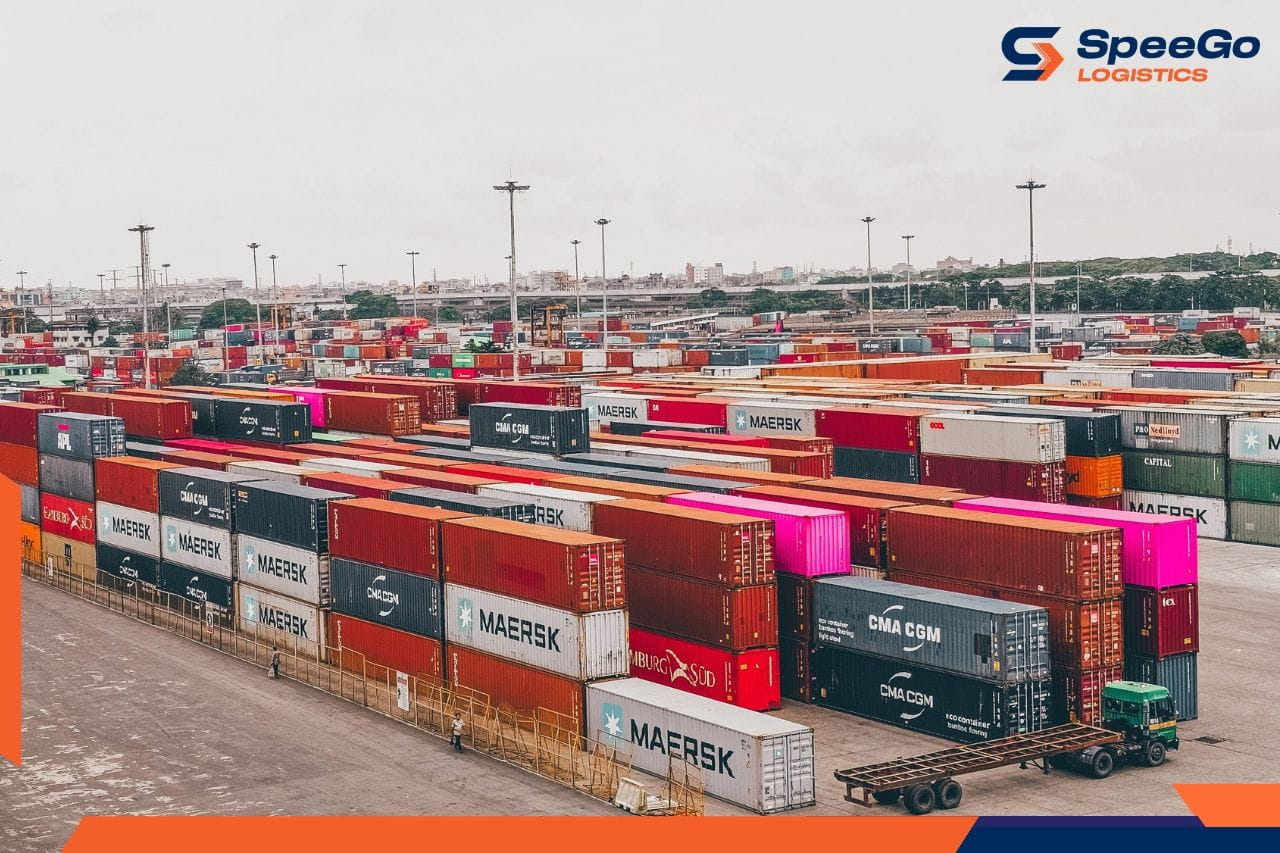
Both logistics companies and freight forwarders are involved in arranging the international transportation of goods.
However, these two concepts are not entirely separate. A freight forwarder can also be a logistics company, and a logistics company can provide freight forwarding services.
The key difference lies in the actual range of services each provider offers and the operational responsibilities it can take on.
What Does a Freight Forwarder Do?
A Freight Forwarder typically handles transportation planning, booking, shipping documentation, customs clearance support, transportation coordination, and shipment tracking through to completion, within the agreed scope of services.
The exact responsibilities may vary depending on the provider, contract, and agreed service scope. However, the process generally includes:
- Recommending suitable transportation solutions.
- Booking cargo space with shipping lines and airlines.
- Preparing shipping documents.
- Arranging customs clearance.
- Coordinating domestic and international transportation.
- Tracking shipments.
- Handling issues when they arise.
Let’s take a closer look at each of these responsibilities.
Recommending Transportation Solutions
A freight forwarder evaluates factors such as cargo type, weight and volume, delivery timeline, origin, and destination to recommend suitable transportation options.
Businesses may receive guidance on choosing between FCL, LCL, Air Freight, or other combined transportation solutions.
For certain cargo types, routes, or shipping requirements, the lowest-cost option is not necessarily the most suitable choice.
Booking With Shipping Lines and Airlines
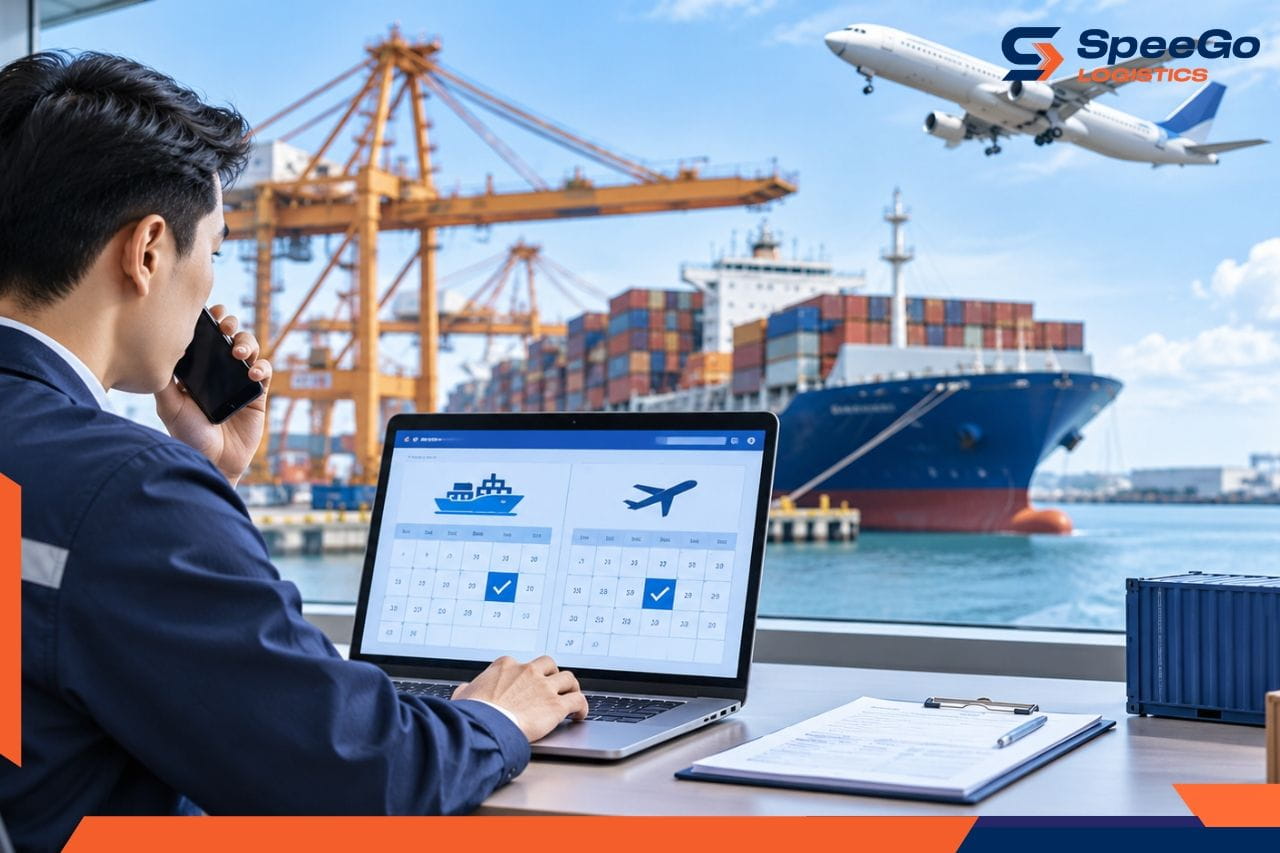
Freight forwarders are responsible for booking shipments with shipping lines and airlines.
Once the transportation plan has been agreed upon, the freight forwarder arranges bookings with carriers (the companies that directly provide transportation services).
- For ocean freight: The forwarder works with shipping lines to secure bookings and coordinate vessel schedules.
- For air freight: The forwarder works with airlines or relevant partners to arrange cargo space.
Preparing Shipping Documents
A freight forwarder can help review, prepare, or coordinate the required shipping documents within the scope of services agreed upon with the business.
For international shipments, relevant documents may include commercial invoices, packing lists, bills of lading, air waybills, and other paperwork depending on the cargo type, shipping route, and destination country’s requirements.
Arranging Customs Clearance
A freight forwarder can help businesses prepare documentation and complete customs procedures if customs clearance is included in the agreed service.
However, businesses should pay attention to one important point: a Freight Forwarder does not automatically assume full responsibility for the accuracy and legality of the goods or shipping documents on behalf of the business.
Coordinating Domestic and International Transportation
An import or export shipment does not involve international transportation alone. Before cargo is loaded onto a vessel or aircraft, it may need to be picked up from a factory and transported to a warehouse, port, or terminal.
A freight forwarder can coordinate multiple transportation legs to ensure a smooth handoff between different providers. This helps prevent disruptions that could affect delivery schedules and a business’s supply chain.
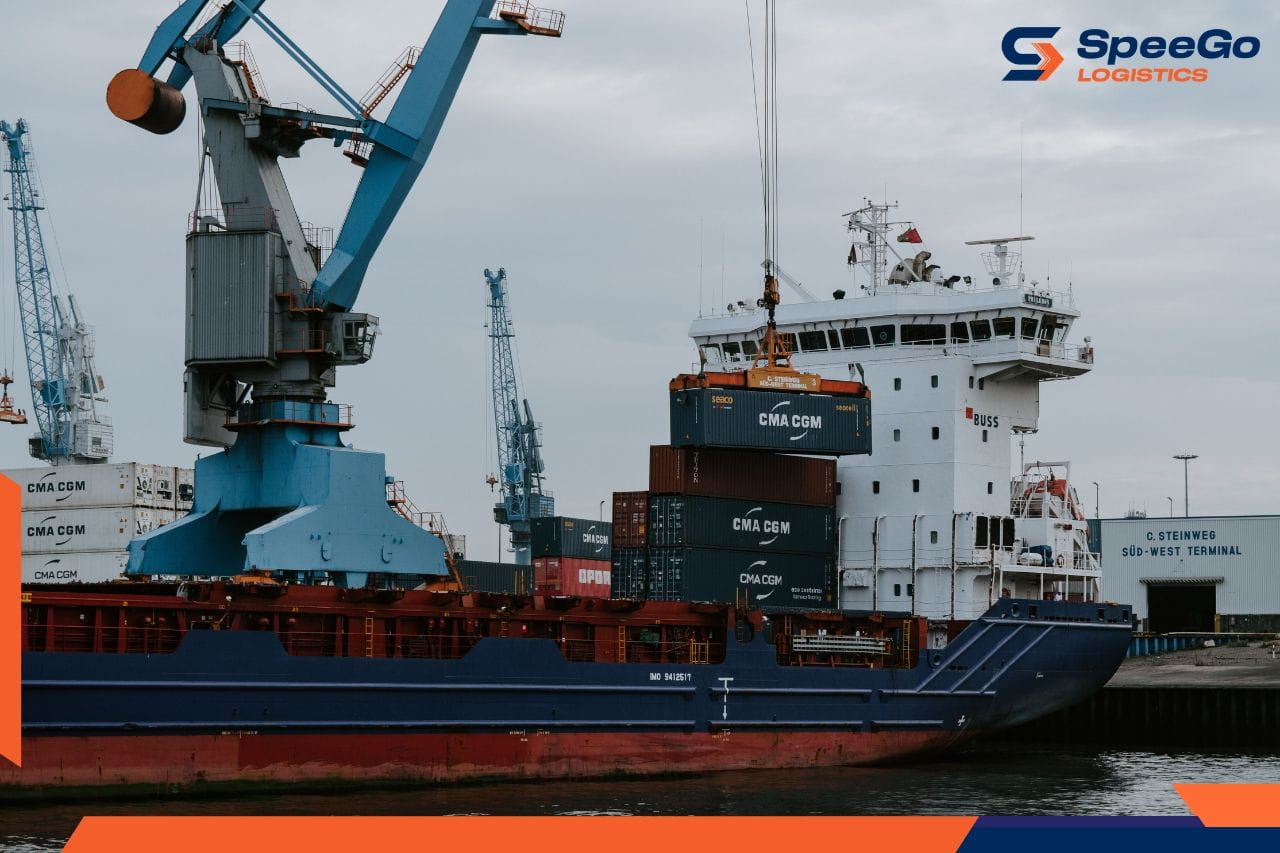
Coordinating transportation routes and transit legs throughout the shipment journey.
Tracking Shipments
Throughout the transportation process, a Freight Forwarder typically provides updates on booking status, vessel or flight schedules, cargo status, and shipment milestones.
This is one of the most important services freight forwarders provide, particularly for businesses managing multiple shipments across different international routes.
Handling Shipment Issues
Delays, vessel rollovers, missing documents, schedule changes, port-related problems, and customs clearance issues can all occur during international shipping.
The freight forwarder’s role is to coordinate with carriers, ports, agents, customs authorities, and other relevant parties to find solutions within its scope of responsibility.
Learn more: Understanding the International Shipping Process.
What Responsibilities Are Not Handled by a Freight Forwarder?
In most cases, a Freight Forwarder is not automatically responsible for every issue that occurs during the transportation of goods.
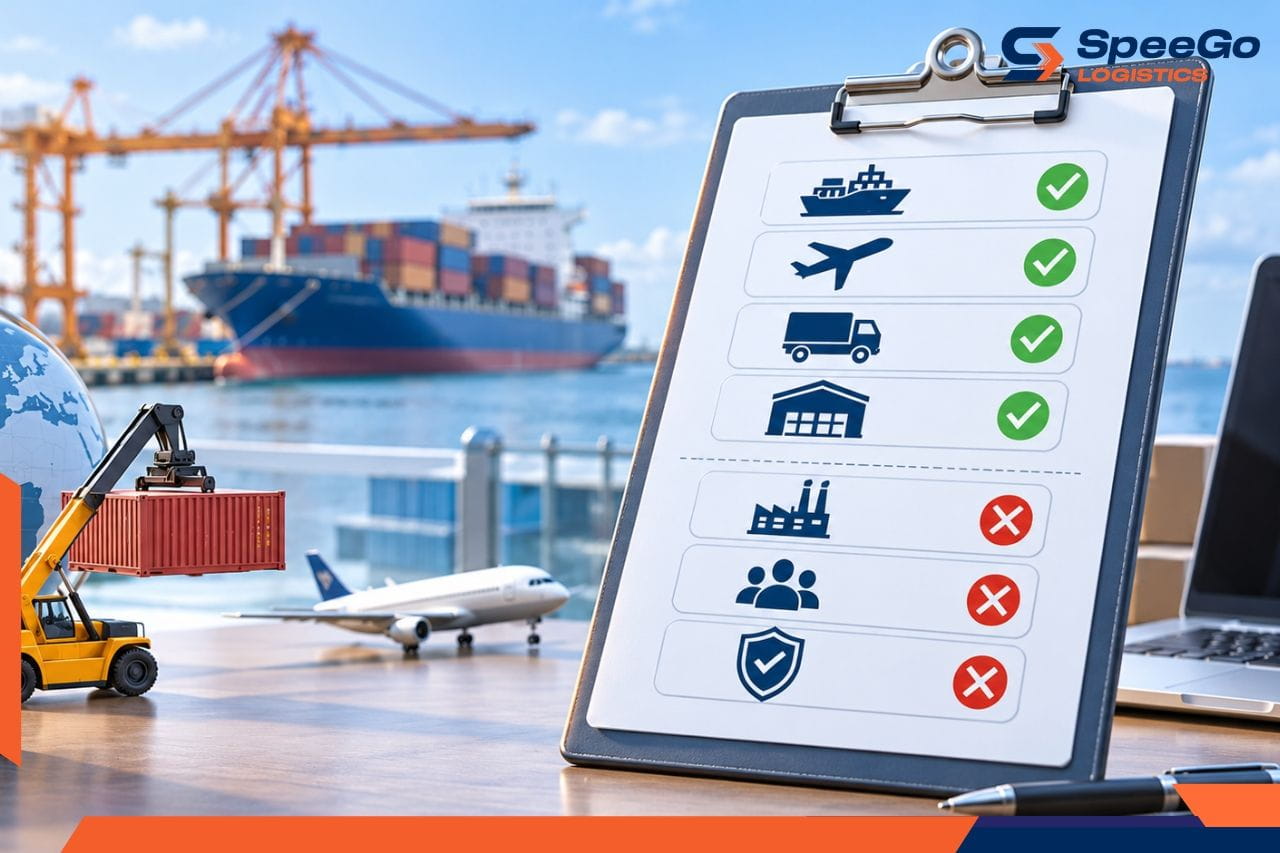
What responsibilities are not handled by a freight forwarder?
Its responsibilities generally depend on:
- The scope of work specified in the contract.
- The agreed service terms and applicable Incoterms.
- The freight forwarder’s legal capacity and role.
- The cause of the issue or loss.
When hiring an intermediary transportation provider such as a Freight Forwarder, businesses should understand that the provider is generally not responsible for issues outside its control or agreed scope of responsibility.
The following are some responsibilities that do not automatically fall under a freight forwarder’s obligations:
- Directly operating transportation: Freight forwarders generally arrange transportation through carriers rather than operating the transportation services themselves.
- Taking responsibility for manufacturing defects: Defects caused by the factory, improper packaging, or incorrect cargo preparation before the forwarder takes control are generally outside its responsibility.
- Controlling vessel or flight schedules: Carriers are responsible for operating their services and determining their schedules. Freight forwarders cannot guarantee that schedules will remain unchanged.
- Assuming all force majeure or carrier-related risks: Liability depends on the contract, applicable terms, the cause of the incident, and the freight forwarder’s legal role.
The Role of a Freight Forwarder in the Supply Chain
A Freight Forwarder helps businesses connect multiple links in the supply chain, including cargo owners, carriers, customs authorities, warehouses, and domestic transportation providers. This means businesses do not have to coordinate every stage independently.
Freight forwarders play a particularly important role in international trade, where a shipment may pass through multiple countries, transportation routes, and modes of transport.
Related Articles
How Is a Freight Forwarder Different From Other Parties Involved in Shipping?
The main difference between a Freight Forwarder and other parties involved in international shipping, such as Carriers, Shipping Lines, Customs Brokers, and NVOCCs, lies in their respective roles and responsibilities.
The comparison table below highlights these differences:
| Party | Primary Role |
|---|---|
| Freight Forwarder | Organizes and coordinates the transportation of goods |
| Carrier | Physically transports the goods |
| Shipping Line | Operates vessels and ocean shipping routes |
| Customs Broker | Assists with or handles customs brokerage procedures |
| NVOCC | Purchases transportation capacity from carriers and provides ocean freight services as an NVOCC |
How to Choose the Right Freight Forwarder for Your Business
Businesses should select a freight forwarder based on route expertise, international networks, service coverage, cost transparency, and the ability to handle unexpected issues rather than simply comparing freight rates.
A low quotation may include additional surcharges or come with limited operational support. When problems arise, the total cost and potential losses could end up being much higher.
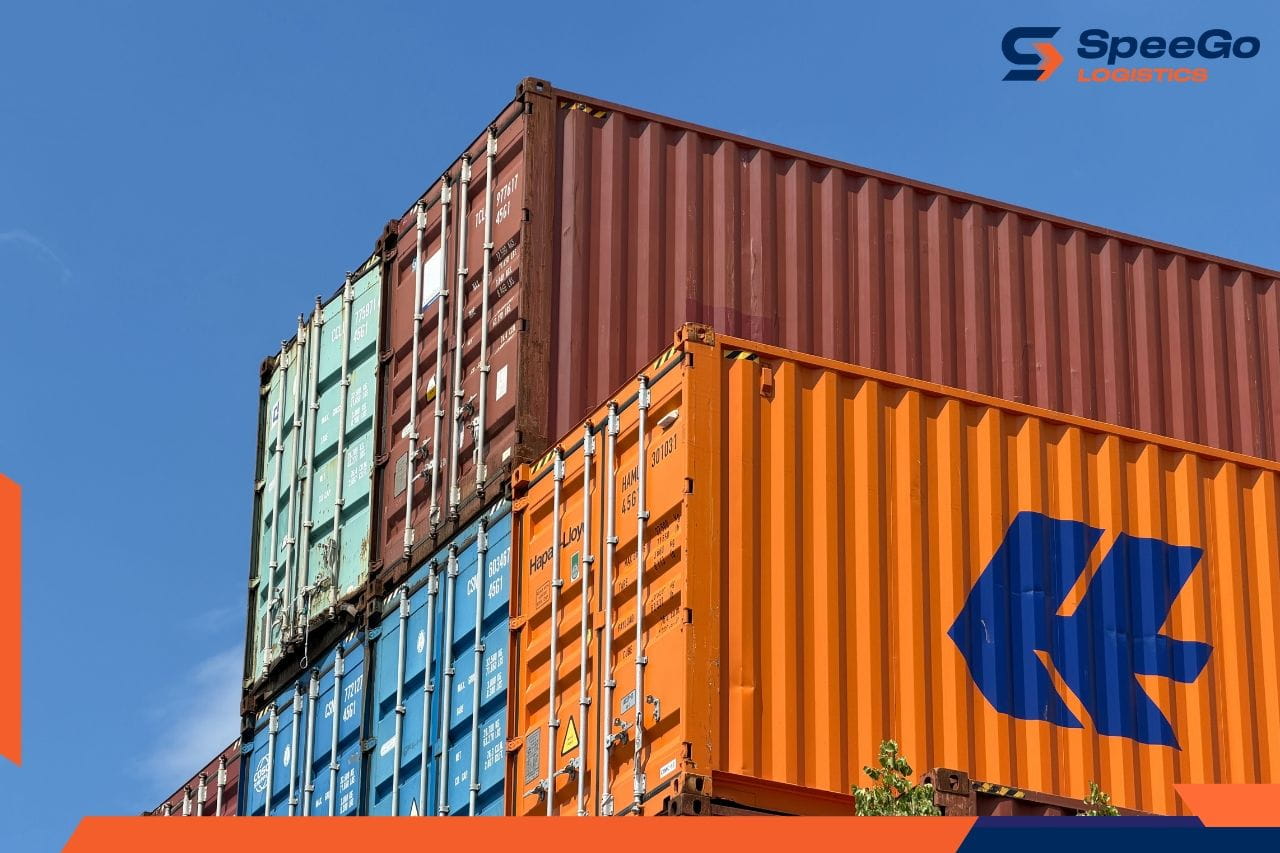
Does your business know how to evaluate a reliable freight forwarder?
Before choosing a provider, businesses can evaluate six key factors:
- Experience on specific shipping routes: Does the freight forwarder have proven experience on the routes your business needs?
- International agent network: Does it have reliable partners at both the origin and destination?
- Service coverage: Can it provide customs clearance, trucking, warehousing, or fulfillment if your business requires these services?
- Cost transparency: Does the quotation clearly break down freight charges, surcharges, local charges, and other additional fees?
- Customer support: Is there a clear point of contact for handling issues and providing shipment updates?
- Licenses, certifications, and reputation: Are its legal information, operational capabilities, and business track record transparent and verifiable?
One practical tip for businesses:
Ask freight forwarders to provide a complete quotation for the same shipment, then compare the total costs and scope of services instead of looking only at the ocean freight or air freight rate.
Freight Forwarder FAQs
Does a Freight Forwarder Own Ocean Vessels?
Usually, no. A freight forwarder typically organizes and coordinates transportation, while a shipping line is the carrier that directly operates ocean freight services. Freight forwarders can book cargo space with different shipping lines depending on the route and the customer’s requirements.
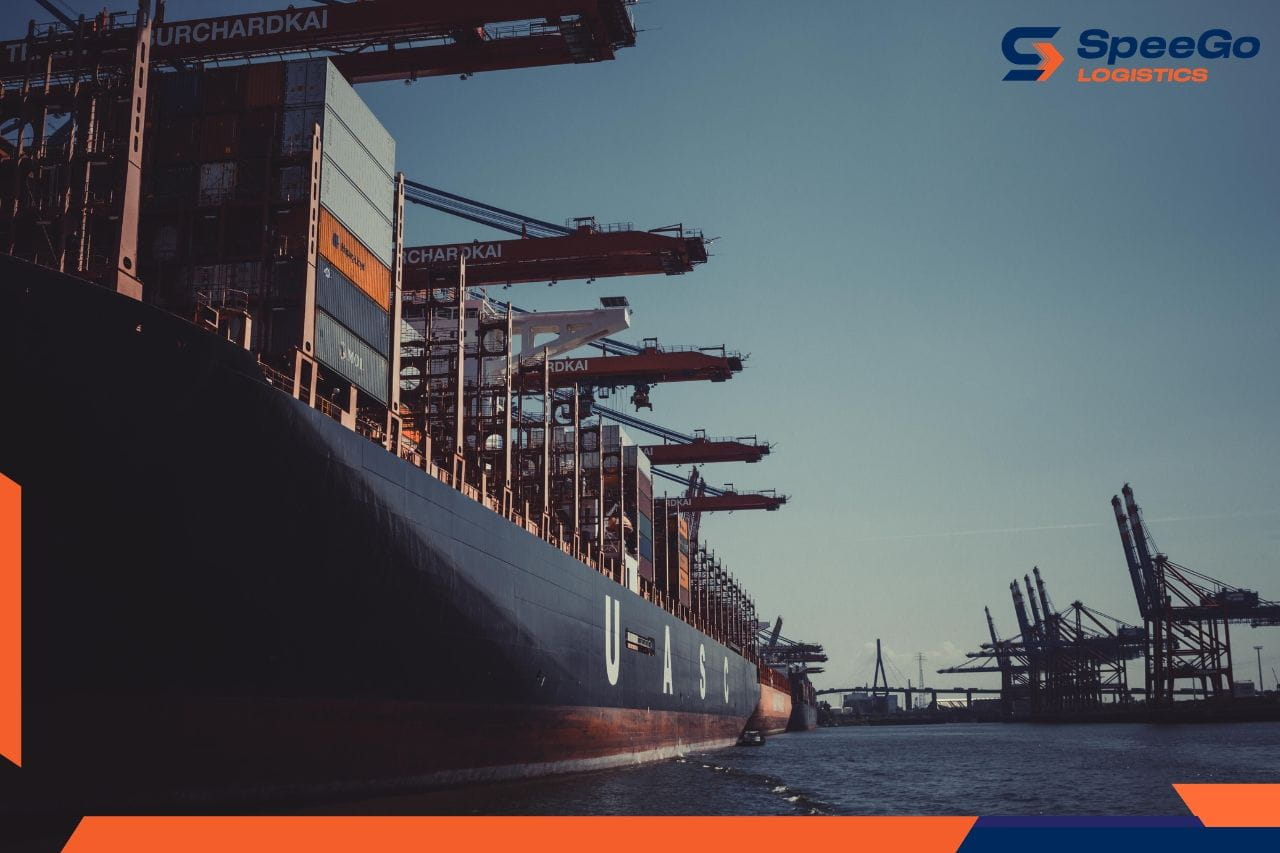
Freight forwarders typically work with shipping lines rather than directly owning vessels.
Can a Freight Forwarder Handle Customs Clearance?
In many cases, yes. Many freight forwarders offer customs clearance services or coordinate with customs brokers to complete the required procedures. However, you should confirm whether this service is included in the quotation and contract.
Should Businesses Importing or Exporting for the First Time Hire a Freight Forwarder?
Yes, hiring a freight forwarder can be a practical option for businesses handling their first international shipment, particularly if the provider offers the services they need. The most important factors are the agreed service scope, route experience, and contractual responsibilities.
Is a Freight Forwarder Responsible for Lost or Damaged Cargo?
Not in every situation. Liability depends on the cause of the loss or damage, the forwarder’s legal role, contractual terms, applicable transportation conditions, and the responsibilities of the carrier or other parties involved.
A Freight Forwarder helps businesses organize and coordinate cargo transportation, connecting cargo owners with carriers and other parties throughout the logistics network.
These providers can offer support ranging from transportation planning, booking, and documentation to customs clearance, domestic transportation coordination, shipment tracking, and issue resolution.
Follow SpeeGo Logistics for the latest updates on ocean freight, logistics, and global supply chain management.
