
Furniture import guide: Shipping to US, CA & AU for business
A furniture import guide walks you through sourcing, customs compliance, phytosanitary treatment, and packaging standards for moving furniture from Vietnam and China into the US, Canada, and Australia. The process looks different depending on who’s shipping: individuals relocating households, B2B importers, or global sellers.
In this guide, SpeeGo breaks down: how to find and vet suppliers, personal customs procedures, the certifications businesses need, packaging and wood fumigation requirements, how the rules differ across the US, Canada, and Australia, and how to keep shipping costs under control.
Where does furniture sourcing come from globally?
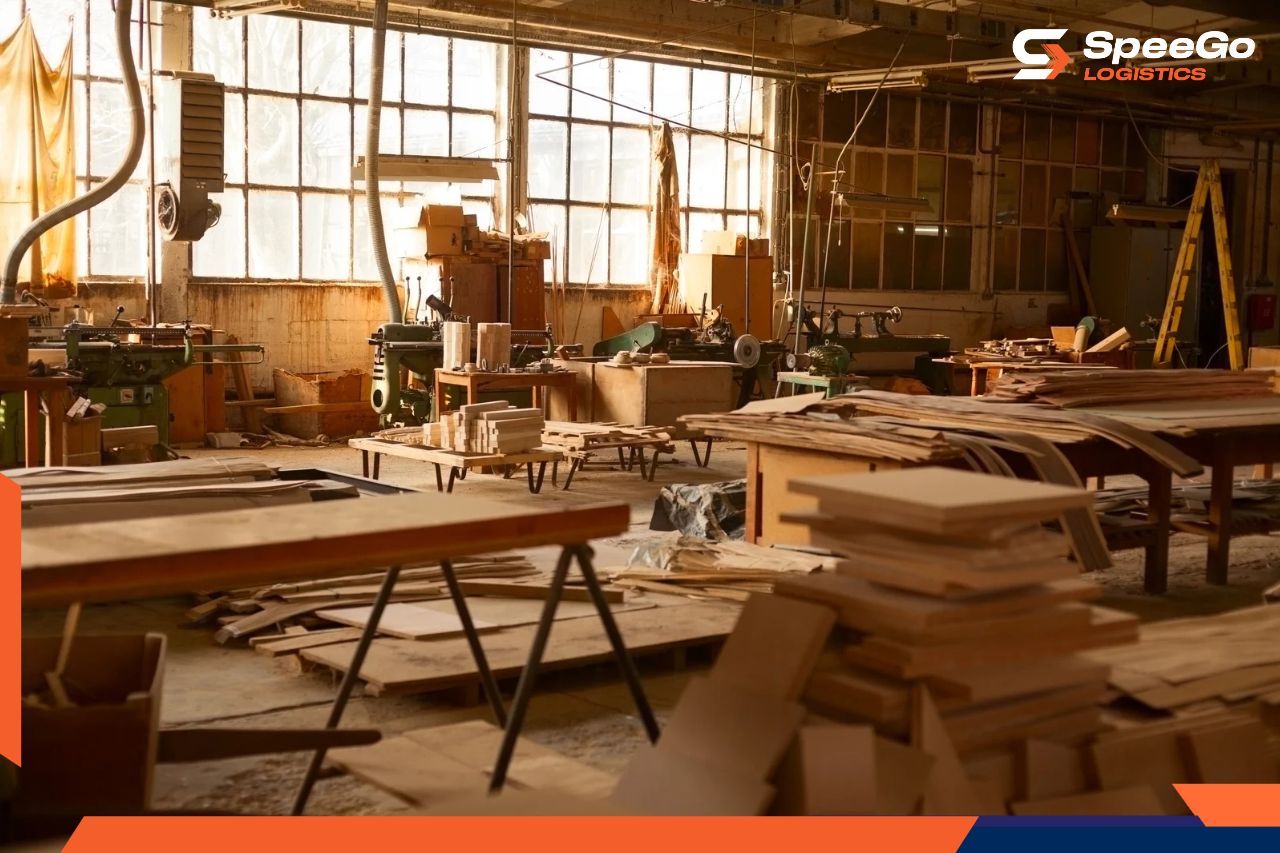
An overview of global furniture sourcing hubs
Global furniture sourcing is concentrated in China and Vietnam, with Malaysia, Indonesia, and Mexico emerging as alternative hubs. China accounted for roughly 30.8% of global furniture exports in 2024, well ahead of any other country. Each market brings its own trade-offs in pricing, craftsmanship, and lead time.
The table below breaks down the five most common furniture sourcing markets.
| Country | Global export share | Strengths | Best fit for |
| China | 30,8% | Large-scale capacity, flexible OEM/ODM, wide material range | High-volume orders, diverse product lines |
| Vietnam | 4,9 – 8% | Wood furniture, upholstered pieces for the US market | Businesses looking to avoid China AD/CVD duties |
| Malaysia | ~ 1,4% | Skilled woodworking, strong compliance with international standards | Solid-wood furniture |
| Indonesia | ~ 1,2 – 1,9% | Teak, rattan, outdoor furniture | Resort projects, outdoor furniture lines |
| Mexico | 2,6% | USMCA duty advantages, 4 – 8 day delivery | Businesses that need fast turnaround to the US |
Data source: Jadeant, 2026
How does sourcing furniture from China compare to Vietnam?
China offers low minimum order quantities (100 – 500 units), 30 – 60 day production timelines, and a supplier ecosystem for raw materials and hardware within a roughly 30 km radius of most factories.
Vietnam is more competitive on US import duties, but much of the premium hardware and raw material still comes from China – meaning sellers often end up paying freight twice.
Which product categories fit emerging markets like Malaysia, Indonesia, and Mexico?
Malaysia is well-suited to solid-wood furniture thanks to skilled labor and strong compliance with international standards.
Indonesia leads in teak and rattan, making it a strong fit for outdoor furniture and resort projects. Mexico’s USMCA duty advantages and 4 – 8 day delivery windows make it ideal for businesses shipping to North America on tight timelines.
At SpeeGo, our sourcing team helps clients evaluate factories in China and Vietnam side by side, comparing pricing, MOQs, and production lead times before you commit to an order.
What are the basic steps to import furniture?
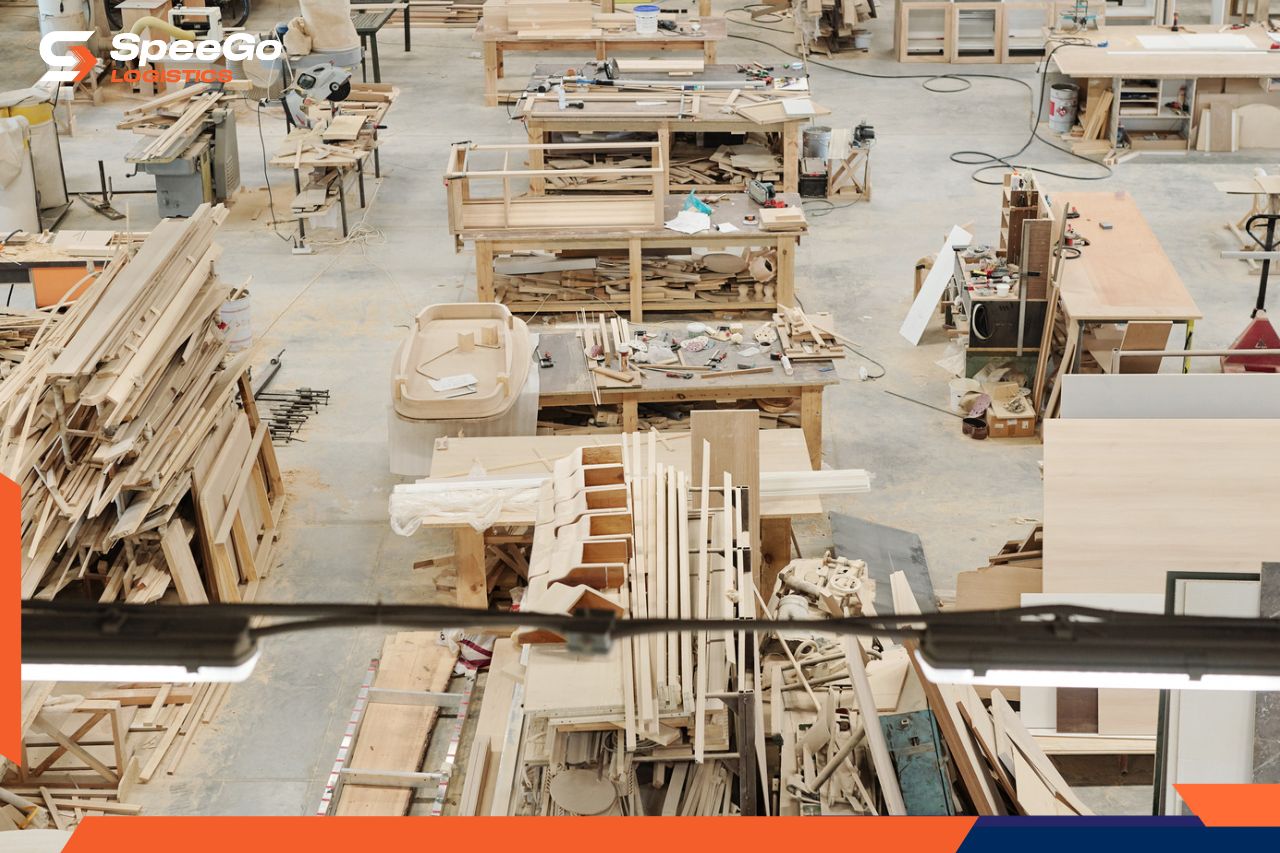
How does the furniture import process actually work?
Importing furniture from Vietnam or China follows six core steps, whether you’re an individual or a business:
- Find and vet a reliable supplier;
- Confirm the legal requirements for your destination market (US, Canada, or Australia);
- Place the order and agree on Incoterms;
- Package the goods and handle wood fumigation for pallets and crates;
- Ship internationally by ocean freight (FCL/LCL) or air;
- Clear customs at the port of entry and arrange final-mile delivery.
Skipping any of these steps can add cost or risk to your shipment. The sections below break down what each type of shipper needs to watch for at every stage.
Which step matters most when you’re new to importing furniture?
Sourcing and legal compliance matter most, since they determine your total landed cost and compliance risk down the line. Picking the wrong supplier or missing a legal requirement can get your shipment held at the destination port.
Does the import process differ for individuals versus businesses?
Yes. Individuals – typically Vietnamese Americans relocating household goods – usually only need to handle duty-free personal customs procedures. Businesses and sellers must complete all six steps, with extra attention to legal compliance and proof of origin documentation.
Which market should you start with if you’re new to furniture importing?
Start with a market that already has strong freight forwarder support – usually China or Vietnam. Once you’re comfortable with the process, you can expand into Malaysia or Indonesia to diversify your supplier base.
At SpeeGo, our sourcing team helps clients evaluate factories in China and Vietnam in parallel, comparing pricing, MOQs, and production timelines before placing an order.
How do you find and vet furniture suppliers in China and Vietnam?

What should you keep in mind when choosing furniture suppliers?
The best formula for sourcing quality furniture combines B2B platforms, industry trade shows, and independent inspection before the container ships.
If you’re sourcing from China, focus on Guangdong, Zhejiang, and Shandong – home to more than 7,200 manufacturers. In Vietnam, Binh Duong and Dong Nai are the main OEM furniture manufacturing hubs – a good starting point if you’re importing furniture from Vietnam.
Which channels are best for finding a furniture supplier?
Look for suppliers on B2B platforms like Alibaba, or connect directly at industry trade shows. The China International Furniture Fair (CIFF) in Guangzhou is Asia’s largest furniture show, spanning 850,000 m² with more than 4,700 exhibitor booths.
The Shunde and Lecong furniture markets are also popular stops for in-person supplier visits – a key part of any source furniture from China to USA checklist.
Why does pre-shipment inspection matter before goods leave the factory?
Inspection catches sizing, material, and finishing defects before the container is loaded. A third-party inspection firm – SGS or Bureau Veritas, for example – typically costs just $300 – 500 per visit.
That’s a small price to pay to protect a container’s worth of inventory and avoid costly quality issues on arrival.
What payment terms are standard when working with a furniture factory?
Payment terms typically depend on order size:
- Standard orders: International wire transfer (T/T) is the most common method. Factories usually work on a 30/70 split – 30% deposit to confirm the order, 70% balance before shipment;
- Large orders (over $50,000): A letter of credit is the safer option, giving both parties stronger financial protection and accountability.
What are the basic legal requirements for importing furniture?

Essential procedures and legal requirements to understand when importing furniture
Basic legal requirements for importing furniture include declaring the wood’s origin, certifying material safety, and paying the correct duties for your destination market. Missing any one of these can get your shipment held at customs.
What do the Lacey Act and TSCA Title VI certification cover?
The Lacey Act requires declaring the origin of any wood content in furniture entering the US.
TSCA Title VI certification controls formaldehyde emissions from plywood, MDF, and particleboard.
How do import duties affect furniture pricing?
Import duties can significantly raise the landed cost of furniture – especially wood furniture from China, which carries additional antidumping and countervailing duties (AD/CVD) on top of standard tariffs.
Comparable furniture from Vietnam typically faces a much lower duty burden.
Is a certificate of origin (C/O) required?
A certificate of origin isn’t mandatory for every shipment, but it becomes essential when a business wants to claim preferential duty treatment or prove a product’s true origin. Without a valid C/O, customs may flag the shipment for suspected transshipment to dodge duties.
How do customs procedures differ for individuals versus businesses importing furniture?
Customs procedures for individuals are far simpler than for businesses, since they fall under duty-free relocation provisions. Businesses must file complete commercial declarations along with supporting documentation.
What do individuals need to bring furniture into the country?
Individuals need to file a customs declaration for unaccompanied goods, along with a detailed packing list itemizing each piece of furniture.
The furniture must show evidence of prior use abroad to qualify for duty-free entry – a key step in shipping furniture from Vietnam to USA for personal relocation.
What documentation do businesses need for a commercial import?
Missing or incorrect paperwork is the number one reason shipments get held at port for additional inspection – and that means storage fees. To avoid this, make sure your documentation package includes:
- Commercial invoice;
- Packing list;
- Bill of lading;
- An accurately classified HTS code;
- Any required product-specific certifications (depending on the materials used).
What should you know about international furniture shipping and packaging?

Should you choose sea or air freight for international furniture shipping?
Shipping and packaging furniture internationally comes down to three decisions: container type, damage-resistant packaging, and Incoterms. All three have a direct impact on cost and the likelihood of damage in transit.
Should you ship FCL or LCL?
The right choice depends on your shipment’s volume:
- Choose LCL (less-than-container load): For shipments under roughly 12 CBM;
- Choose FCL (full container load): Once your shipment exceeds 12 – 15 CBM. As a reference point, a 40-foot container typically holds 25 – 30 CBM of furniture.
What packaging and wood fumigation standards apply?
Furniture needs protection inside and out:
- Inside the crate: Foam padding and protective wrap on any surface prone to scratching;
- Outside the crate: Wooden pallets and crates must meet the ISPM-15 international phytosanitary standard – heat-treated or fumigated, and stamped to confirm compliance.
How do import requirements differ across the US, Canada, and Australia?
Import requirements for furniture follow similar legal principles across the US, Canada, and Australia, but differ in which agencies enforce them and how strictly. Australia runs the strictest biosecurity inspections of the three.
| Market | Lead regulator | Specific requirements | Complexity |
| US | CBP, APHIS, EPA | Wood origin declaration, material certification, AD/CVD duties | Moderate – high |
| Canada | CFIA, CBSA | Business Number (BN), ISPM-15 compliance, GST/HST | Moderate |
| Australia | Department of Agriculture | Biosecurity inspection, mandatory fumigation certification | Highest |
Australia enforces biosecurity rules on wood products more strictly than either the US or Canada. Many shipments require a fumigation certificate or quarantine inspection before they can clear customs – without it, the shipment can be turned back.
What costs make up the total cost of importing furniture?
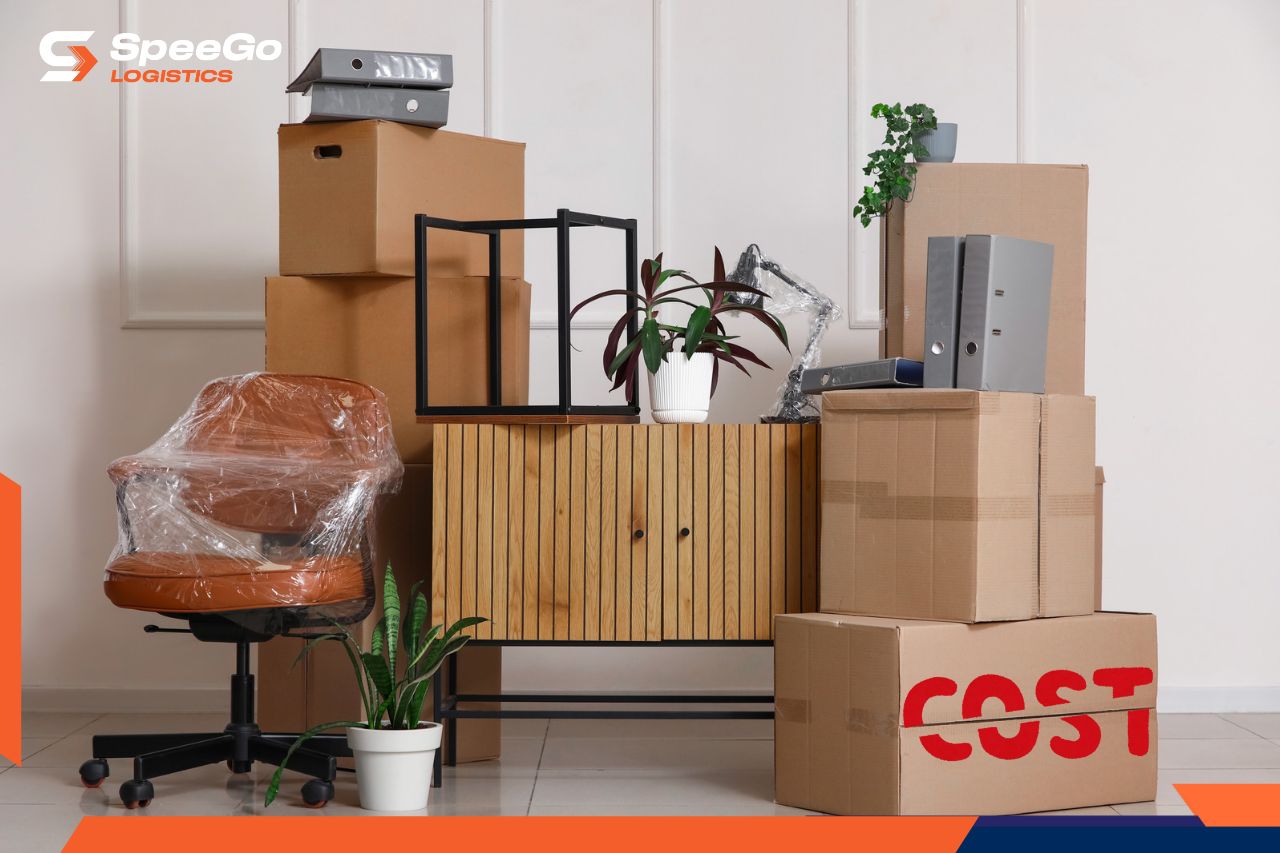
What fees should be considered when importing furniture?
Landing a furniture shipment involves five core cost categories: product cost, international freight, import duties, cargo insurance, and customs clearance plus final-mile delivery. It’s smart to build in a contingency buffer for anything unplanned.
What hidden costs are easy to overlook?
Easy-to-miss costs include the Harbor Maintenance Fee (HMF), Merchandise Processing Fee (MPF) in the US, and storage fees if your shipment gets held for extra inspection.
On the upside, if you’re re-exporting goods to a third country, duty drawback programs can help you recover a portion of what you paid.
How do you estimate total landed cost before placing an order?
To avoid budget surprises, use this rough formula:
Total cost = FOB factory price + ocean freight (by CBM) + 20 – 30% (for duties and fees).
For your first shipment, though, the safest approach is to have a freight forwarder like SpeeGo put together an all-in quote so you know exactly what to expect.
Frequently asked questions about importing furniture
1. What should Vietnamese Americans know about shipping personal furniture back to the US?
Confirm your residency status before filing your customs declaration. Furniture that’s been used abroad for at least a year typically qualifies for duty-free entry under classification 9804.00.05.
2. What do Vietnamese sellers need to prepare when selling globally?
Sellers shipping to Amazon or Wayfair need packaging that meets FBA/3PL warehouse specs. CBM (volume) and pallet configuration are the biggest cost drivers. Sellers also need to file export customs in Vietnam alongside import customs at the destination.
3. How is the cost of shipping furniture from Vietnam to the USA calculated?
LCL shipments are priced by volume (cubic meters). Full container loads are priced as a flat rate per container. On top of ocean freight, expect customs clearance fees and fumigation/pest-treatment costs for wood pallets.
4. Does imported wood furniture need to be fumigated?
The furniture itself typically doesn’t need fumigation. But every wood packing material that ships with it – pallets, crates, dunnage – must meet the ISPM-15 international standard, marked with an HT (heat-treated) or MB (methyl bromide) stamp.
A successful furniture import guide comes down to four phases: sourcing a reliable supplier, staying compliant with the law, packaging and fumigating to standard, and controlling shipping costs. Each type of shipper needs its own game plan to avoid held shipments and unplanned costs.
SpeeGo Logistics specializes in freight from China and Vietnam to the US, Canada, and Australia, with core strengths in fulfillment, sourcing & QC, and end-to-end door-to-door delivery. If you need guidance on furniture import procedures or a shipping quote, contact SpeeGo for a free consultation and get your quote today.
Follow the SpeeGo Logistics blog for more in-depth import guides across other product categories.
Related Articles