
Cosmetics import guide: A detailed roadmap for businesses
A cosmetics import guide covers the full legal and logistics process required to bring cosmetics from China or Vietnam into the US, Canada, or Australia legally. All three markets enforce strict rules through their own regulatory bodies: the FDA (MoCRA) in the US, Health Canada in Canada, and AICIS in Australia.
In this guide, SpeeGo breaks down the import process step by step: the licenses and conditions you need, country-specific compliance rules, how to choose between OEM and ODM manufacturing, safe packaging and shipping practices, and how to pick the right cosmetics freight forwarder for your business.
What are the steps to import cosmetics?
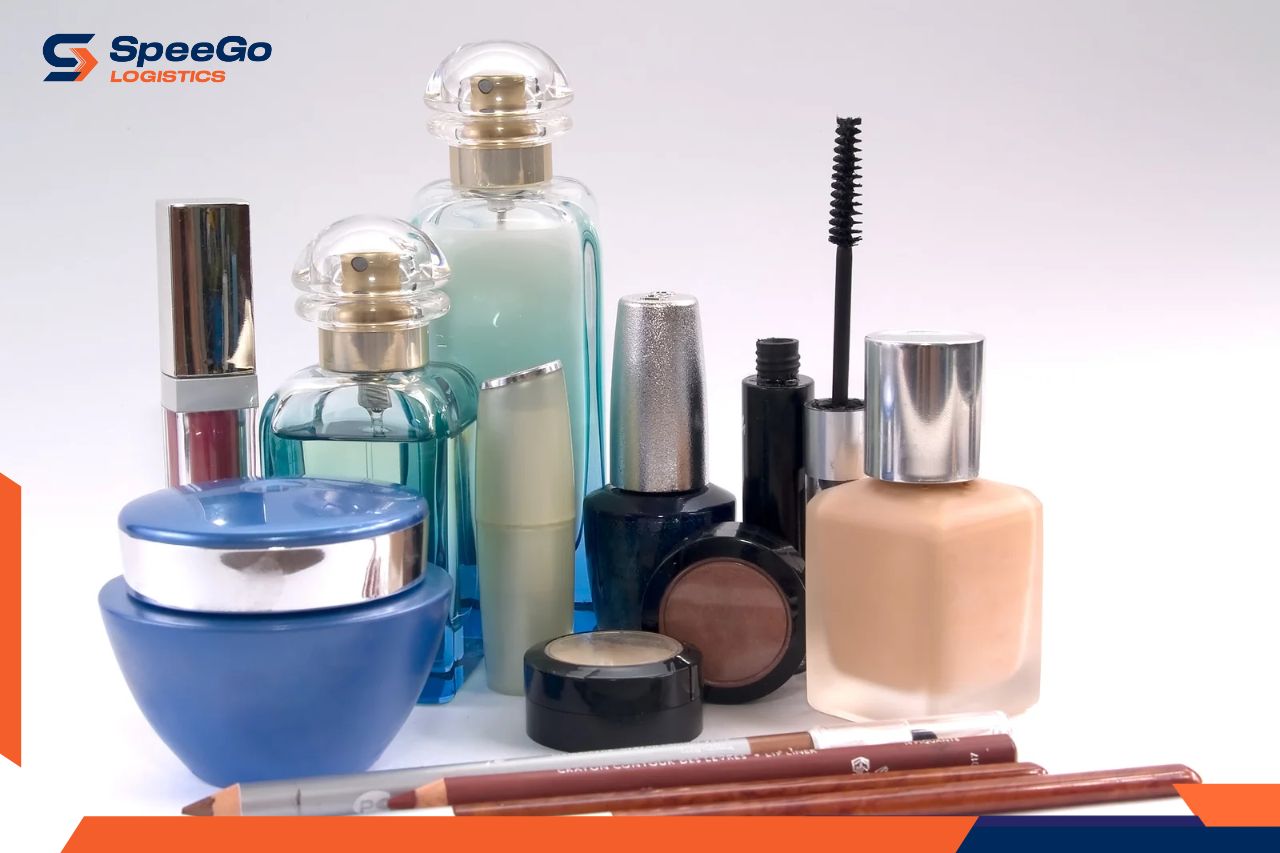
How to import cosmetics: Everything you need to know
Importing cosmetics generally involves five core steps: preparing your regulatory documentation, screening product ingredients, packaging to international shipping standards, filing customs entry, and clearing customs in the destination country. Each step ties back to a different regulatory body depending on where you’re shipping.
Vietnamese sellers shipping globally often skip the ingredient-screening step before production even starts. That’s one of the most common reasons cosmetics shipments get held up at customs in the US, Canada, or Australia.
- Identify your destination market and the rules that apply (US, Canada, or Australia);
- Prepare the documentation needed for product notification or listing;
- Register with the relevant authority (FDA, Health Canada, or AICIS);
- Package and label the product to the destination country’s standards;
- Ship the goods, file customs entry, and clear customs.
What are the requirements for importing cosmetics?
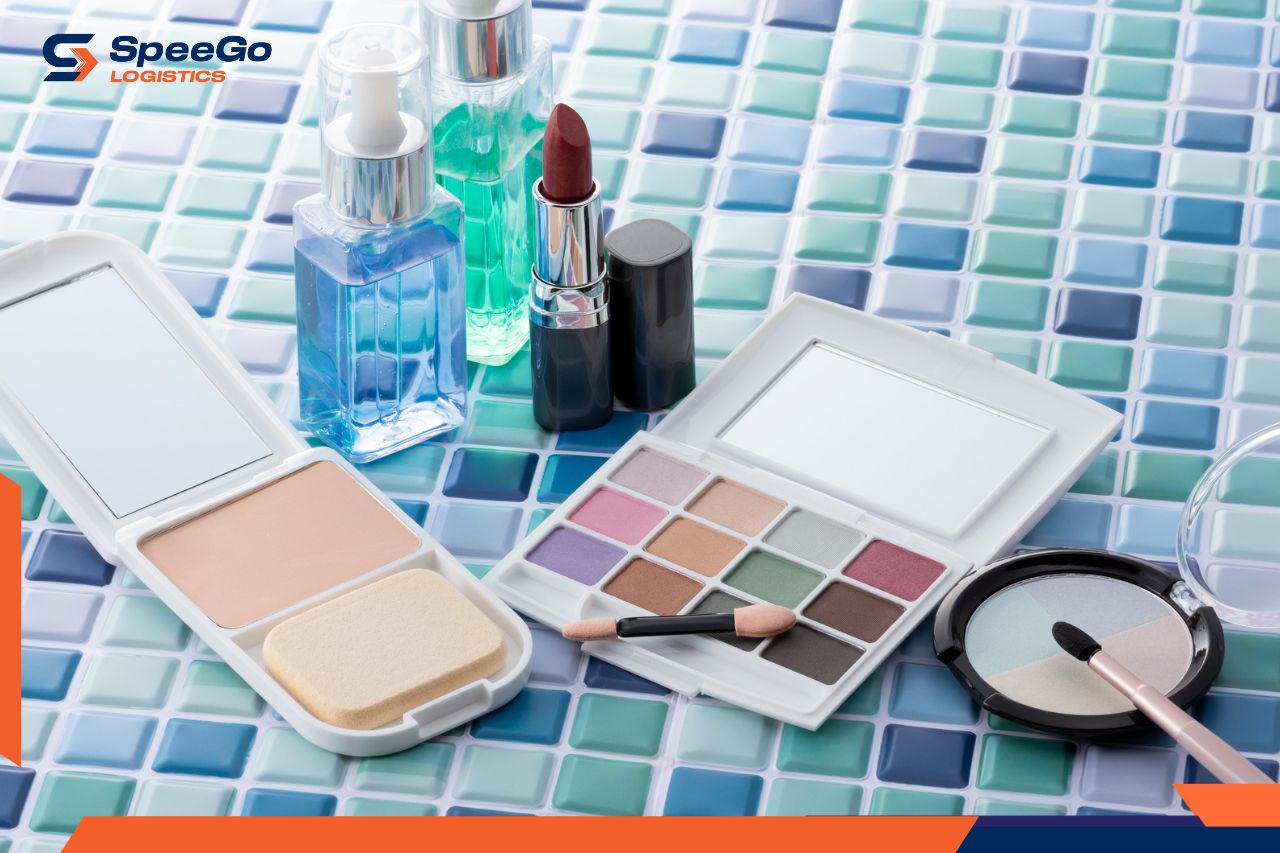
What do you need to know before importing cosmetic products?
Importing cosmetics legally comes down to three requirements: a valid business entity authorized to import, product documentation that meets the destination country’s rules, and ingredients that don’t fall on a restricted or banned list. Missing any one of these can get a shipment rejected at customs.
For OEM/ODM products manufactured in China, sellers need to nail down early who will be the legally responsible party in the destination market – that determines everything else down the line.
Do you need a separate cosmetics import license?
In the US, Customs and Border Protection (CBP) doesn’t require a standalone import license for cosmetics – but the manufacturing or processing facility must complete MoCRA registration before the product can be distributed. In Canada and Australia, what people often call a “license” is really a notification or business registration obligation (CNF or AICIS) rather than a permit tied to each individual shipment.
What are the labeling and ingredient restrictions?
Labels must list every ingredient in descending order of concentration, using standard international INCI names. Ingredients that fall under FDA, Health Canada, or AICIS restricted or banned lists – certain color additives, mercury compounds, or corticosteroids, for example – will get a product rejected during document review before it ever reaches the port.
FDA cosmetics regulations: What are the rules for the US, Canada, and Australia?
Importing beauty products into America, Canada, or Australia means complying with each country’s own regulatory regime – there’s no single, universal “cosmetics import license” that covers all three. The three primary regulators are the FDA (US), Health Canada (Canada), and AICIS (Australia), and each has its own registration requirements, deadlines, and enforcement approach.
FDA cosmetics regulations and MoCRA compliance for the US market
Importing cosmetics to the US requires compliance with the Modernization of Cosmetics Regulation Act (MoCRA), which became enforceable on July 1, 2024.
Under MoCRA, manufacturing facilities must complete Facility Registration (renewed every two years) and Product Listing (updated annually) before distributing in the US market. FDA registration used to be voluntary under the old VCRP program – MoCRA compliance for cosmetics is now mandatory.
What are the steps to import cosmetics into Canada?
Importing cosmetics to Canada requires filing a Cosmetic Notification Form (CNF) with Health Canada within 10 days of the first sale, under Section 30 of the Cosmetic Regulations (Food and Drugs Act).
The CNF requires the product name, function, a full ingredient list in INCI format, and the importer’s contact information – and it applies to both domestically made and imported products.
What are Australia basic requirements for cosmetics imports?
Importing cosmetics into Australia falls under AICIS (the Australian Industrial Chemicals Introduction Scheme), governed by the Industrial Chemicals Act 2019, which replaced the earlier NICNAS framework – because every cosmetic ingredient is treated as an industrial chemical under Australian law.
Anyone importing finished cosmetics, raw materials, or manufacturing cosmetics in Australia must register their business with AICIS for the relevant registration year, rather than registering individual products. Almost every ingredient, including those marketed as natural, falls under this scheme, and there’s no minimum volume threshold that exempts a shipment.
How many steps are involved in exporting cosmetics from China or Vietnam?

A detailed breakdown of the cosmetics export process from China and Vietnam
Exporting cosmetics from a factory in China or Vietnam typically involves four steps: completing product notification, obtaining a Certificate of Free Sale (CFS), packaging to fragile/dangerous-goods standards, and filing export customs declarations.
This process runs in parallel with the import requirements at the destination, so timing needs to be coordinated closely to avoid shipment delays.
What does the export process look like from the factory side?
The manufacturer finalizes the formula and product testing first, then files product notification and applies for the CFS with the relevant authority.
Once the CFS is issued, the goods are packaged and labeled to the destination country’s standards, filed for export customs clearance, and handed off to a freight forwarder for international shipping.
How long does each step take?
Processing times vary by step, ranging from a few days to several weeks for the full paperwork chain before cargo leaves port.
| Step | Estimated timeline |
| Product notification + CFS application | 1 – 2 business weeks |
| MoCRA registration (for US-bound sales) | 5 – 10 business days |
| CNF filing (for Canada-bound sales) | Within 10 days of first sale |
| Packaging and compliant labeling | 2 – 3 days |
| Ocean freight from China to the US | 30 – 45 days |
| Customs clearance at destination | 1 – 5 business days with complete documentation |
How does importing raw cosmetic ingredients differ from importing finished products?

Key differences between importing raw cosmetic ingredients and finished products
Importing raw cosmetic ingredients is subject to different rules than finished products, since raw materials typically haven’t gone through final formulation. In the US, raw ingredients generally fall outside MoCRA registration requirements unless they’re close to finished-product form. In Australia, nearly all raw materials are treated as industrial chemicals and still require AICIS registration.
Sellers importing raw materials for local formulation in the US, Canada, or Australia need to clearly distinguish between the “raw material importer” role and the “finished-product manufacturer” role – registration obligations attach to whoever performs the final manufacturing step.
Do cosmetic raw materials require an sds for shipping?
Yes, especially for materials containing alcohol, solvents, or reactive chemicals. A Safety Data Sheet (SDS) allows your freight forwarder to classify the shipment under the correct dangerous-goods code and prepare the right shipping documentation, which helps avoid rejection by customs or the carrier.
How should raw cosmetic ingredients be packaged for shipping?
Liquid or reactive powder raw materials need leak-proof, moisture-resistant packaging, with UN Number labeling if they fall under dangerous-goods classification. These should be packed separately from finished goods to prevent cross-contamination or damage during long-haul transport.
What are the most common sourcing models for importing cosmetics?
Businesses importing cosmetics for resale typically work with one of three sourcing models: private label (using the factory’s existing formula), OEM (the factory manufactures to your formula), and ODM (the factory develops a custom formula to your specifications). Each model fits a different stage of brand growth.
Vietnamese sellers building global brands on Amazon, Shopify, and TikTok Shop often start with private labels to test the market before investing in ODM development.
OEM vs. ODM vs. Private label: What’s the difference?
| Model | Who owns the formula | Level of customization | Typical MOQ |
| Private label | Factory (existing formula) | Low – packaging and label only | ~ 1.000 – 3.000 units/SKU |
| OEM | Buyer supplies the formula | Medium – custom packaging and formula | ~ 5.000 – 10.000 units/SKU |
| ODM | Factory develops to spec | High – proprietary formula and packaging | Project – dependent, typically higher than OEM |
Which model is best for a new cosmetics importer?
Private labels work well for new sellers because of low MOQs and fast turnaround – usually 30 – 40 days after design approval. OEM and ODM suit brands with established sales that need a proprietary formula to stand out, with production timelines typically running 60 – 90 days.
What should you know about shipping cosmetics internationally?
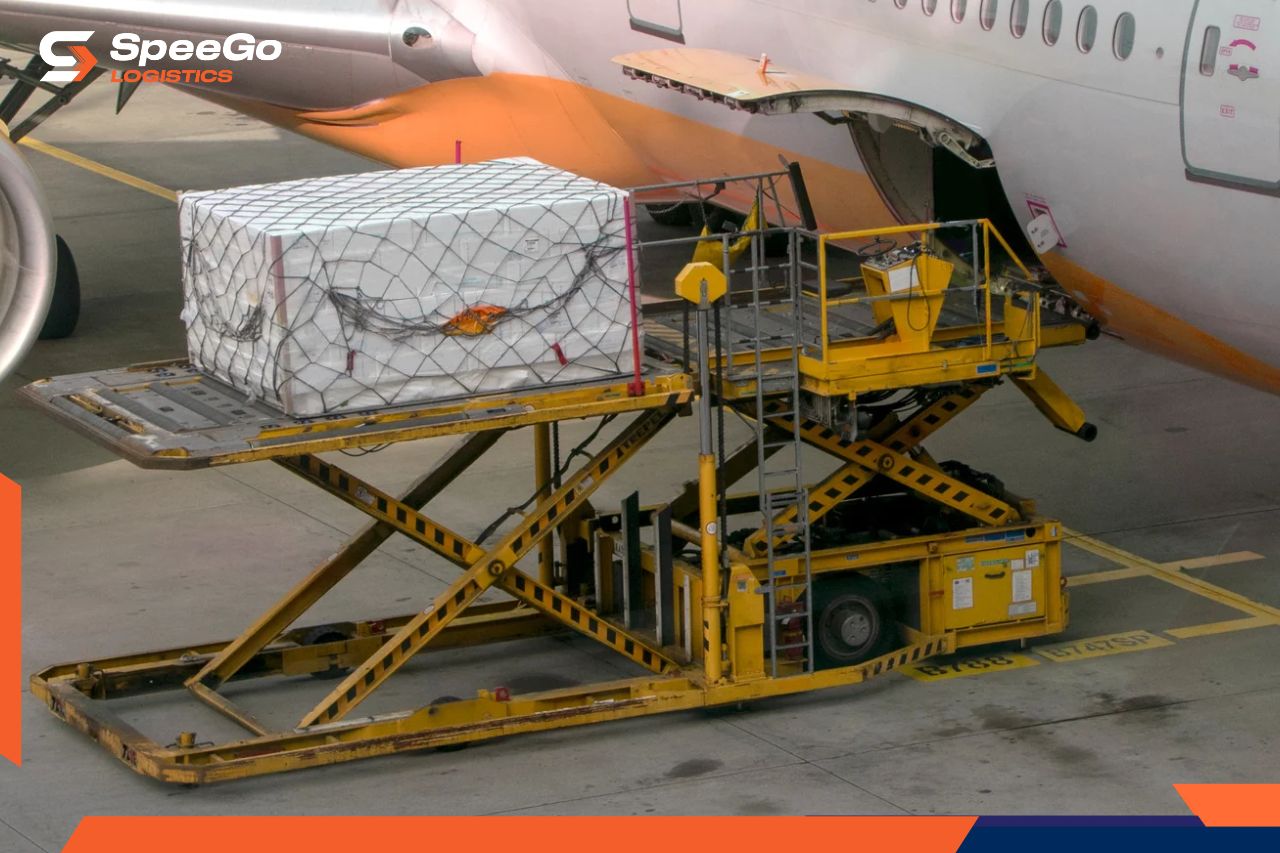
The essential guide to shipping cosmetics internationally
Shipping cosmetics internationally requires correctly classifying dangerous goods and packaging liquid or aerosol products to prevent breakage and leaks. This is the leading cause of cosmetics shipments being refused for transport or arriving damaged, whether by ocean or air freight.
Which cosmetics are classified as dangerous goods?
Cosmetics with high alcohol content, aerosol propellants, or flammable ingredients are typically classified as Class 3 dangerous goods, requiring an SDS and UN Number on the shipping declaration.
Perfumes, alcohol-based hand sanitizers, and nail polish are common examples that often get flagged this way.
How should fragile, liquid cosmetics be packaged?
Liquid products need three layers of protection: a sealed bottle or jar, shock-absorbing wrap or bubble padding, and a partitioned carton box. Cartons should carry fragile-handling labels and be oriented correctly per IATA or IMDG standards, depending on the mode of transport.
Ocean freight from China to the US typically takes 30 – 45 days depending on the route and carrier. At SpeeGo, cosmetics shipments packaged to spec from Shenzhen to Long Beach typically arrive in about 32 – 35 days.
How are cosmetics import duties and costs calculated?

A comprehensive guide to calculating cosmetics import duties and costs
Import costs for cosmetics include duties, dangerous-goods handling fees (if applicable), storage fees if a shipment is held for inspection, and international freight charges. Duty rates vary based on the HS code and any applicable trade agreements between the exporting and importing countries.
Sellers should confirm the correct HS code upfront to avoid retroactive duty assessments or penalties for misclassification – this matters even more for OEM products with multiple blended ingredients.
- Import duty: calculated on HS code and customs (CIF) value;
- Dangerous-goods handling fee: applies when a UN Number is assigned;
- Customs storage fee: triggered by incomplete MoCRA/CNF/AICIS documentation;
- Freight charges: based on route, weight, and mode (ocean or air).
What are the most common risks when importing cosmetics?
The most common risks when importing cosmetics fall into three categories: missing legal documentation, misclassified goods, and packaging that doesn’t meet shipping standards. Knowing these risks ahead of time lets sellers get ahead of problems instead of scrambling once a shipment is already held at port.
- Missing MoCRA/CNF/AICIS registration leads to held shipments or forced re-export;
- Missing CFS or SDS gets notification filings rejected, delaying clearance;
- Incorrect HS codes or misstated alcohol content can trigger dangerous-goods misclassification;
- Substandard packaging causes leaks and damage to liquid products;
- Working with a forwarder that lacks cosmetics experience means missed compliance updates.
How do you choose the right cosmetics freight forwarder?
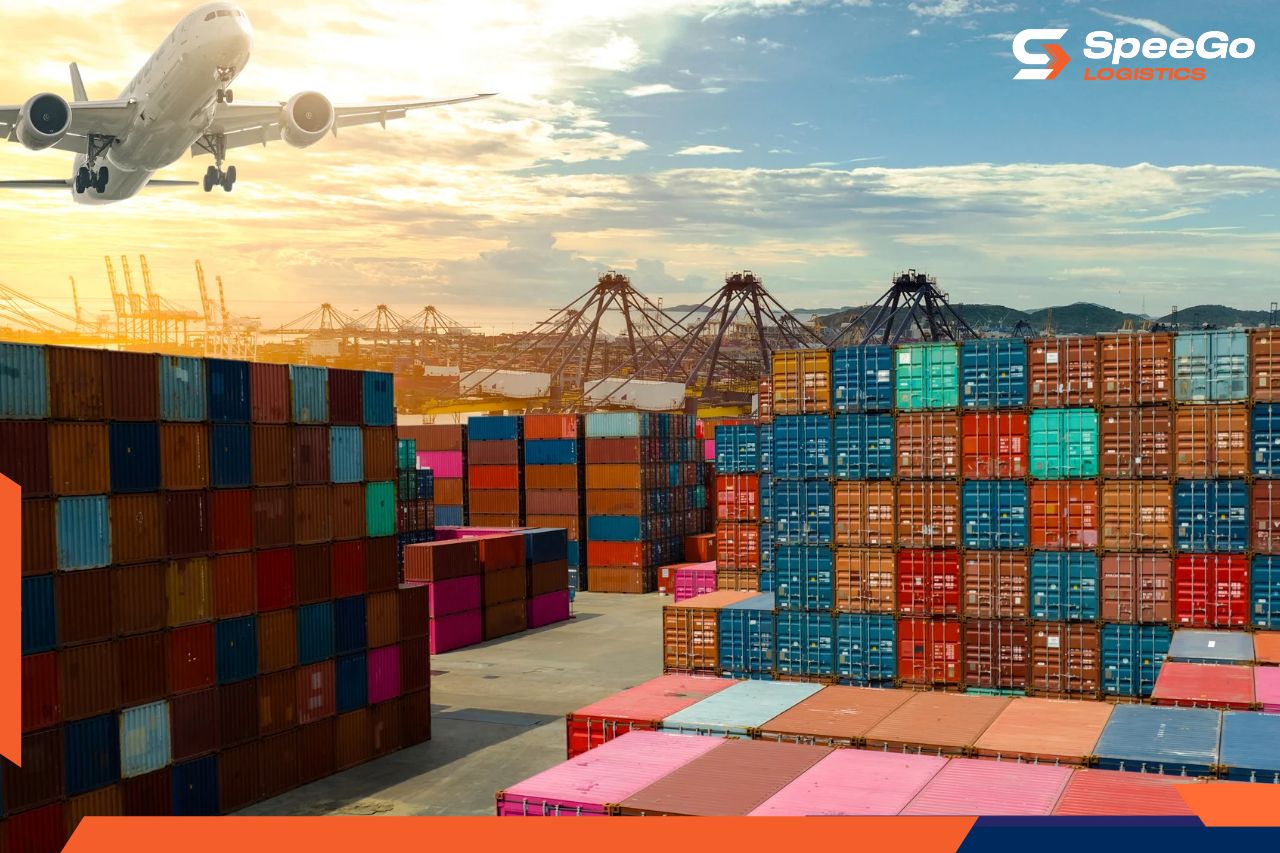
A complete guide to selecting a reliable cosmetics freight forwarder
Choosing the right cosmetics freight forwarder means prioritizing a partner with hands-on experience handling fragile and dangerous goods, plus a solid grasp of the regulations in your destination market. That expertise is what determines whether your shipment clears customs smoothly or racks up unplanned storage fees.
Why does cosmetics shipping experience matter?
Forwarders without cosmetics experience are more likely to misclassify HS codes, miss SDS requirements, or fail to flag MoCRA, CNF, or AICIS changes in time. The result: shipments held at port, container demurrage fees, and delayed inventory for your Amazon or TikTok Shop listings.
How does SpeeGo support cosmetics importers?
SpeeGo Logistics helps sellers classify dangerous goods correctly, prepare SDS documentation, coordinate fragile-goods packaging, and track shipments from China and Vietnam to the US, Canada, and Australia. SpeeGo team stays current on regulatory changes so sellers can clear customs on schedule.
Related Articles

FAQ: Cosmetics import guide
1. Is a cosmetics import license required for every shipment?
No – there’s no per-shipment import license in the US, Canada, or Australia. Instead, businesses need to complete a one-time registration or notification (MoCRA, CNF, or AICIS) before distributing products in that market.
2. Do raw cosmetic ingredients need the same registration as finished products?
In the US, raw materials generally fall outside MoCRA registration unless they’re already close to finished-product form. In Australia, almost all raw materials are treated as industrial chemicals and still require AICIS registration.
3. Can cosmetics containing alcohol be shipped by ocean freight?
Yes, but they need to be declared correctly as dangerous goods (Class 3) with an SDS and UN Number. Some carriers cap alcohol concentration or require separate packaging under IMDG standards.
4. How long does customs clearance typically take for cosmetics imports?
Clearance typically takes 1 – 5 business days with complete, compliant documentation. Missing a CFS, SDS, or FDA/CNF/AICIS registration can extend that hold to several weeks.
A successful cosmetics import strategy rests on three pillars: complying with destination-market regulations (MoCRA in the US, CNF in Canada, AICIS in Australia), having complete documentation – CFS, SDS – ready to go, and packaging fragile and dangerous goods to spec.
Choosing the right sourcing model from the start also gives sellers better control over compliance obligations and costs. Getting these fundamentals right is what keeps Vietnamese sellers building global brands, along with OEM/ODM businesses, from getting stuck with held shipments, duty penalties, or unplanned storage fees.
SpeeGo Logistics is a freight forwarder specializing in China – Vietnam routes to the US, Canada, and Australia, supporting sellers and brand owners from documentation strategy through door-to-door customs clearance. Contact SpeeGo for a free consultation and get a cosmetics shipping quote today.
