
Supplier selection: The 7-step process and evaluation criteria
Supplier selection is the process of sourcing, evaluating, and formalizing a partnership with the vendor best suited to supply the materials, products, or services your business needs. Get it wrong, and you’re looking at shipment delays, defective goods, or the added cost of cleaning up the fallout.
In this guide, SpeeGo breaks down the 7-step supplier selection process, the evaluation criteria that matter most, common supplier scoring methods, and how to apply all of this to real-world sourcing from China and Vietnam into the US, Canada, and Australia.
What is a supplier?

What is a supplier and how to choose the right partner for long-term operations
A supplier is a company or individual that provides the raw materials, goods, or services a business relies on for production or operations. Supplier selection is the process of evaluating and choosing vendors that can meet your organization’s operational, financial, and strategic requirements – based on capability, pricing, reliability, compliance, and long-term partnership potential.
Why does supplier selection matter?

How choosing the right supplier protects your brand and optimizes costs
Keeps production running without interruption: A dependable supplier prevents material shortages, missed timelines, and production stoppages.
Controls and optimizes cost: Choosing the right partner reduces downstream costs – freight, maintenance, and the expense of reworking defective shipments.
Manages risk end to end: A structured process protects your business from third-party exposure: financial risk (a supplier going insolvent), legal risk (labor or environmental violations), and more.
Protects brand reputation: Input quality drives output quality. A strong supplier keeps product quality consistent, which safeguards how your business is perceived by its own customers.
What does poor supplier selection cost a business?
The most common damage from a bad supplier pick shows up as hidden costs: substandard goods that need to be reworked, higher warehousing fees from late deliveries, or lost orders when a supplier abruptly halts production.
On top of that, businesses lose time scrambling for a replacement supplier mid-peak season – exactly when freight rates and production capacity are both stretched thin.
What are the most important supplier selection criteria?
Key factors to evaluate when choosing an international supplier
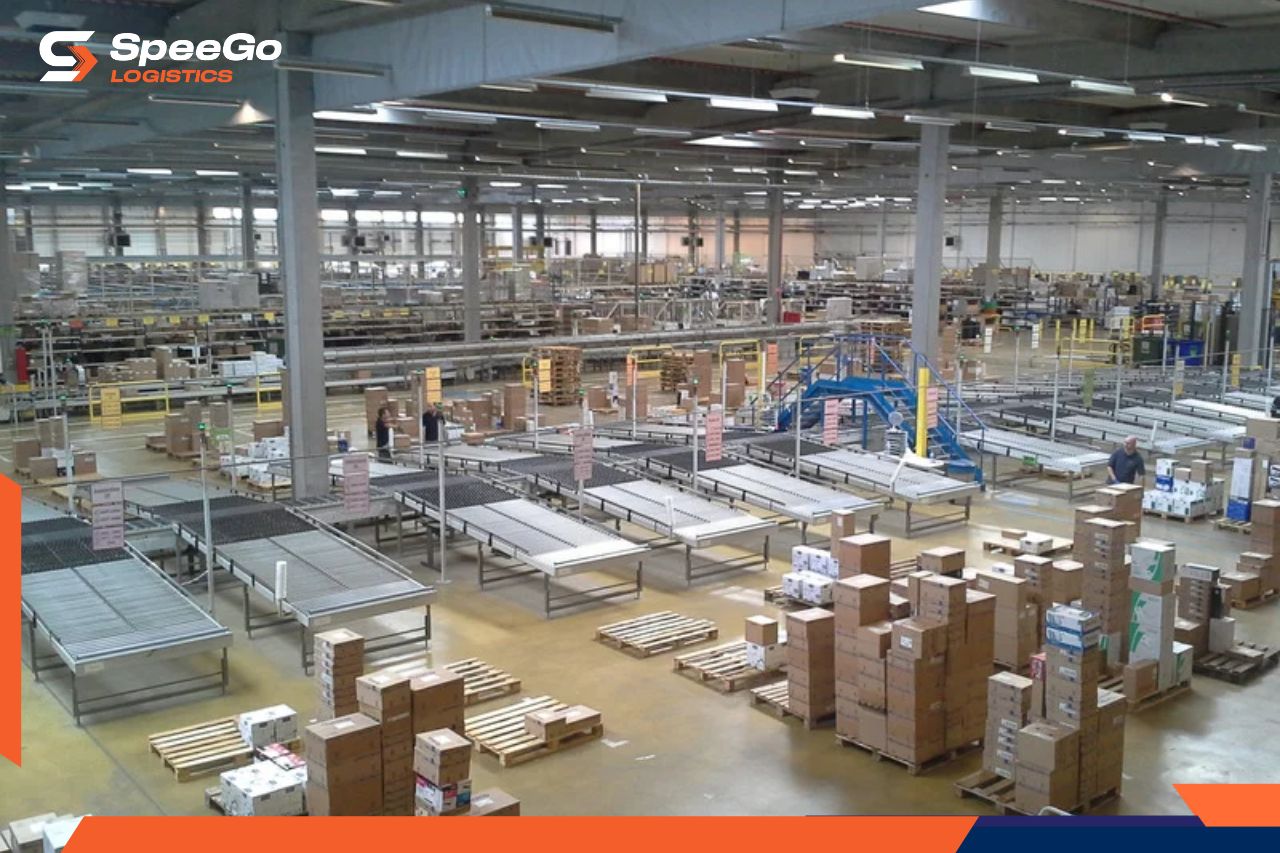
There’s no fixed set of criteria that works across every industry, but most businesses build their supplier selection criteria around three core categories: cost, quality, and operational capability. For international sourcing, you’ll also need to factor in supply chain risk and compliance.
3 core criteria: Cost, Quality, and Operational capability
Cost, quality, and delivery performance are consistently the three most important factors in supplier evaluation – they’re closely interconnected and together determine the overall value a supplier brings.
- Cost should be assessed using Total Cost of Ownership (TCO), not just unit price;
- Quality should be evaluated through certifications (ISO 9001), defect-control processes, and customer reference history;
- Operational capability and lead time should be measured by average production time, on-time delivery rate, and order accuracy.
Industry term: Total Cost of Ownership (TCO) refers to the full cost of acquiring, operating, maintaining, and eventually retiring an asset or service over its entire lifecycle.
Expanded criteria for large-volume sourcing
For high-volume orders or strategic suppliers, you need a more comprehensive evaluation framework – the three core criteria above, plus technical capability, financial health, sustainability, and relationship fit.
- Technical capability: Can the supplier scale production when order volume spikes? What’s their equipment, workforce skill level, and technology stack?;
- Financial health: Liquidity, profit margins, and credit history. A cash-strapped partner may raise prices unilaterally or halt production without warning;
- Sustainability and relationship fit: Compliance with applicable regulations, ESG (Environmental, Social, Governance) standards, and data security requirements.
What are the steps in the supplier selection process?

The 7-step standardized supplier selection process
To avoid subjective decision-making, a standardized, internationally recognized supplier selection process typically follows these 7 rigorous steps.
Step 1: Define requirements and internal criteria
Procurement needs to align with stakeholders to answer: What are we buying? What volume? What are the technical specifications?
Agree on a weighted evaluation framework (for example: 40% weight on price, 40% on quality, 20% on lead time).
Step 2: Conduct market research and source candidates
Tap into industry networks, internal supplier databases, or B2B sourcing platforms to build a longlist of potential vendors.
Step 3: Pre-screen based on supplier-submitted information
Send a Request for Information (RFI) to gather baseline capability profiles from suppliers on your longlist.
Eliminate any vendor that fails to meet minimum requirements – missing mandatory certifications, insufficient production capacity, and so on. This narrows your list to a manageable, more comparable shortlist.
Step 4: Issue RFPs/RFQs and collect proposals
- RFP (Request for Proposal): Ask suppliers to submit a detailed solution and quote for a complex requirement;
- RFQ (Request for Quotation): Request itemized pricing for products or services with clearly defined specifications.
Suppliers respond with detailed bid packages covering pricing, technical capability, and service commitments.
Step 5: Assess, analyze, and score
This is the most critical step. The procurement team cross-evaluates across four dimensions:
- Technical due diligence: Review product samples, inspect facilities and the actual production line;
- Capability due diligence: Confirm the supplier can realistically meet your production timeline;
- Financial and risk due diligence: Review financial statements and assess legal/compliance exposure;
- Scoring: Feed all of this into a weighted evaluation matrix so the scoring committee or system can rank each candidate objectively.
Step 6: Negotiate and decide
- Bring the top 1 – 2 scoring suppliers into final negotiations;
- Negotiate beyond price – payment terms, service-level commitments, warranty policies, penalty clauses, and dispute resolution procedures;
- Finalize the best-fit supplier.
Step 7: Sign the contract and manage performance
Execute a formal contract and onboard the supplier into your internal systems.
The process doesn’t end there. Set up a continuous performance-monitoring loop with periodic reviews to confirm the supplier keeps delivering on the standards it committed to.
Common mistakes to avoid in supplier selection
Common mistakes and hidden traps in supplier selection
Even experienced procurement teams fall into these traps, leading to mismatched expectations and hidden costs down the line.
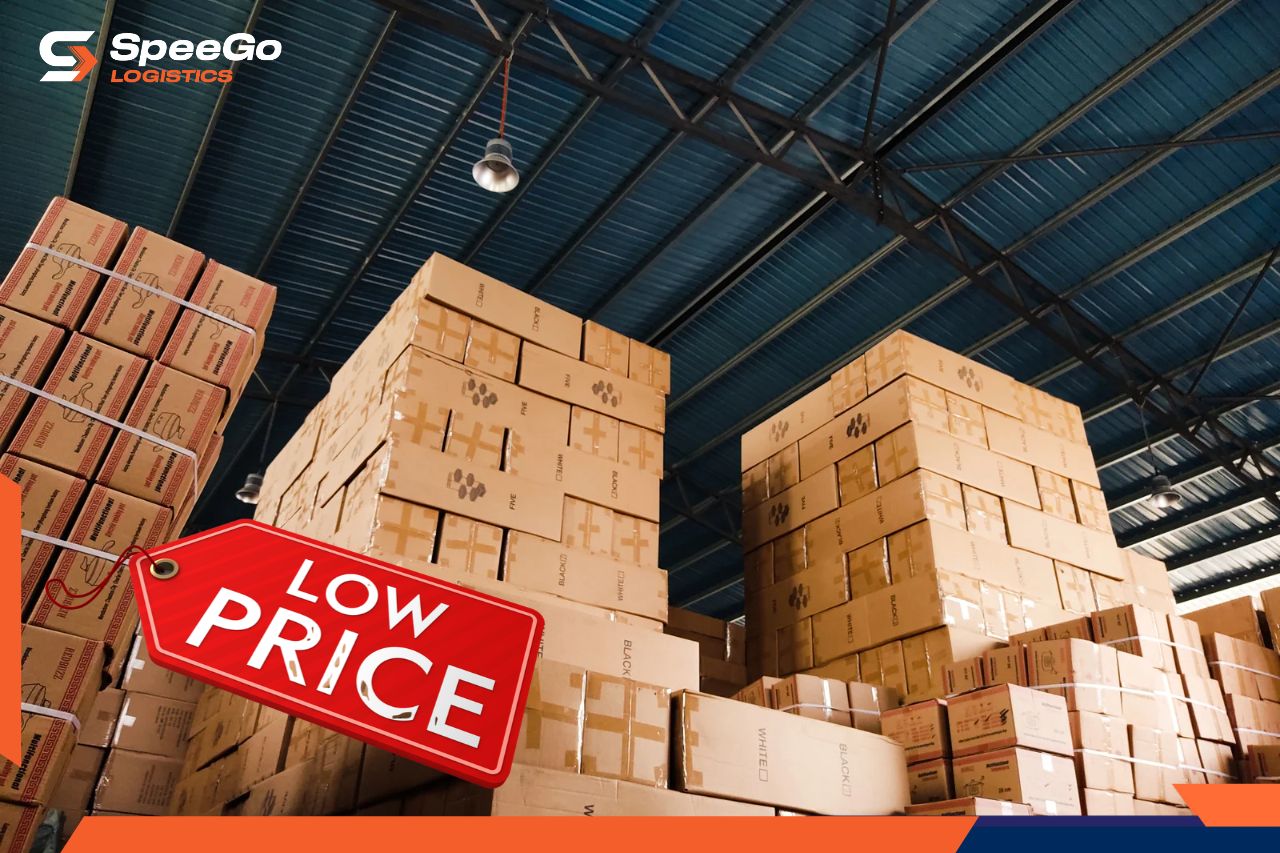
Choosing based on price alone
Businesses are often drawn to the lowest quote to stay within budget. But a low price is usually just the tip of the iceberg – it can mask major risks like substandard materials, late shipments, or weak after-sales support.
How to avoid it: Shift from unit price to Total Cost of Ownership (TCO) as your evaluation lens. That total should roll in freight, warehousing, shrinkage/defect rates, inspection costs, the cost of production downtime from late delivery, and the cost of remediation or compensation for defective goods.
Skipping due diligence to move faster
This happens when a business relies solely on polished capability decks without verifying anything on the ground. By the time a problem surfaces, it turns out the “supplier” was actually just a middleman – or is quietly facing serious financial trouble.
How to avoid it: Follow a proper due diligence process. Require legal documentation and transparent financial statements.
For large orders, someone from your team should physically visit the factory or office to walk the production line, and you should proactively reach out to the supplier’s existing customers for candid references.
Relying on a single supplier
If your entire supply hinges on one vendor and they hit a force majeure event – a factory issue, a labor strike, a cash crunch, or they simply try to squeeze you on price – your entire supply chain grinds to a halt.
How to avoid it: Maintain a sensible order-allocation split (for example, 70 – 80% to your primary supplier, 20 – 30% to a backup). Keeping a secondary supplier active doesn’t just reduce disruption risk – it also creates competitive pressure that strengthens your negotiating position on price and service.
Failing to manage the supplier post-contract
Without ongoing quality monitoring and post-contract review, suppliers tend to get complacent – and quality and lead times drift from what was originally promised.
How to avoid it: Hold suppliers accountable with clear KPIs – on-time delivery rate, defect rate, and similar metrics. Run periodic (quarterly/annual) performance reviews to give direct feedback, address weak points, and continuously improve the partnership.
Related Articles

FAQs on the supplier selection process
1. What are the three most important supplier selection criteria?
Cost, quality, and delivery performance are the three core factors that together determine the overall value a supplier delivers to your business.
2. Do you have to complete all 7 steps of the supplier selection process every time?
For small, recurring orders, you can streamline some of the screening steps. But for large-volume orders or new suppliers, following the full process helps minimize the risk of supply chain disruption.
3. How do you evaluate a supplier in China without visiting in person?
You can hire a local third-party inspection service, or work with a freight forwarder that has an on-the-ground presence in China to inspect samples and verify documentation before the shipment departs.
4. How often should you re-evaluate a supplier?
Re-evaluate after every large shipment, or at least quarterly – especially for suppliers you’ve worked with for less than a year or that fall into a higher-risk category.
Getting supplier selection right is a systematic process: understanding what a supplier is, defining the right evaluation criteria and methods, following the full 7-step process, and avoiding common pitfalls like chasing the lowest price or neglecting oversight after the contract is signed. Rigorous supplier selection doesn’t just minimize risk – it helps your business optimize costs and stay on schedule, especially when your sourcing runs overseas.
If you need support vetting or working with a supplier before shipping, reach out to SpeeGo for a free consultation or get a quote today. Follow the SpeeGo Logistics website for more in-depth articles on sourcing, logistics, and import/export.
