
Strikes at 113 Ports Across 22 Countries Raise Concerns Over Shipping Disruptions
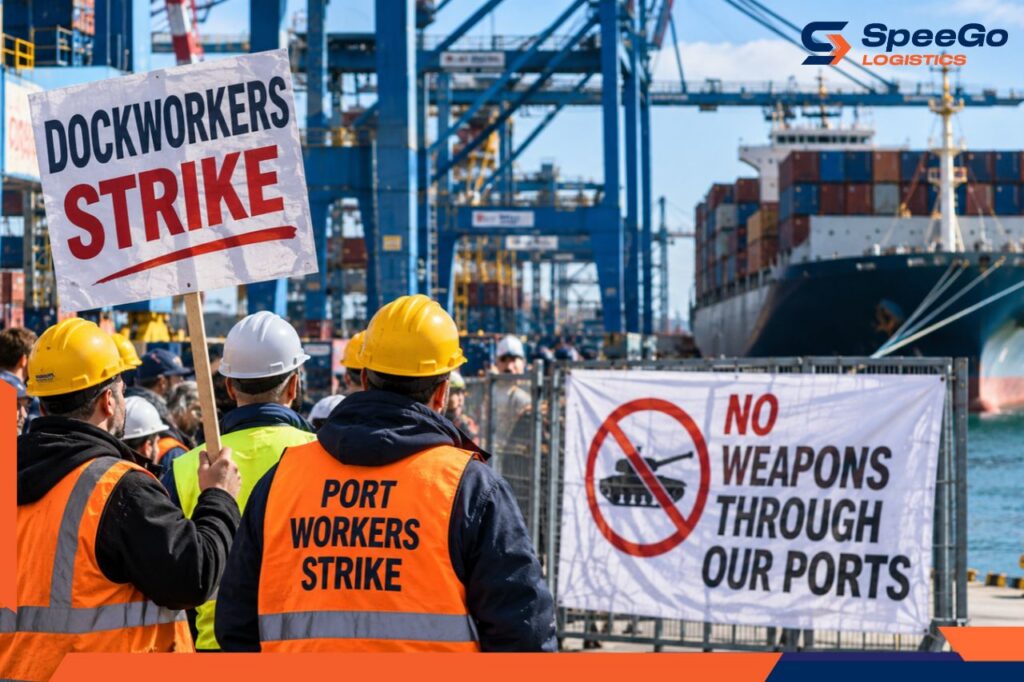
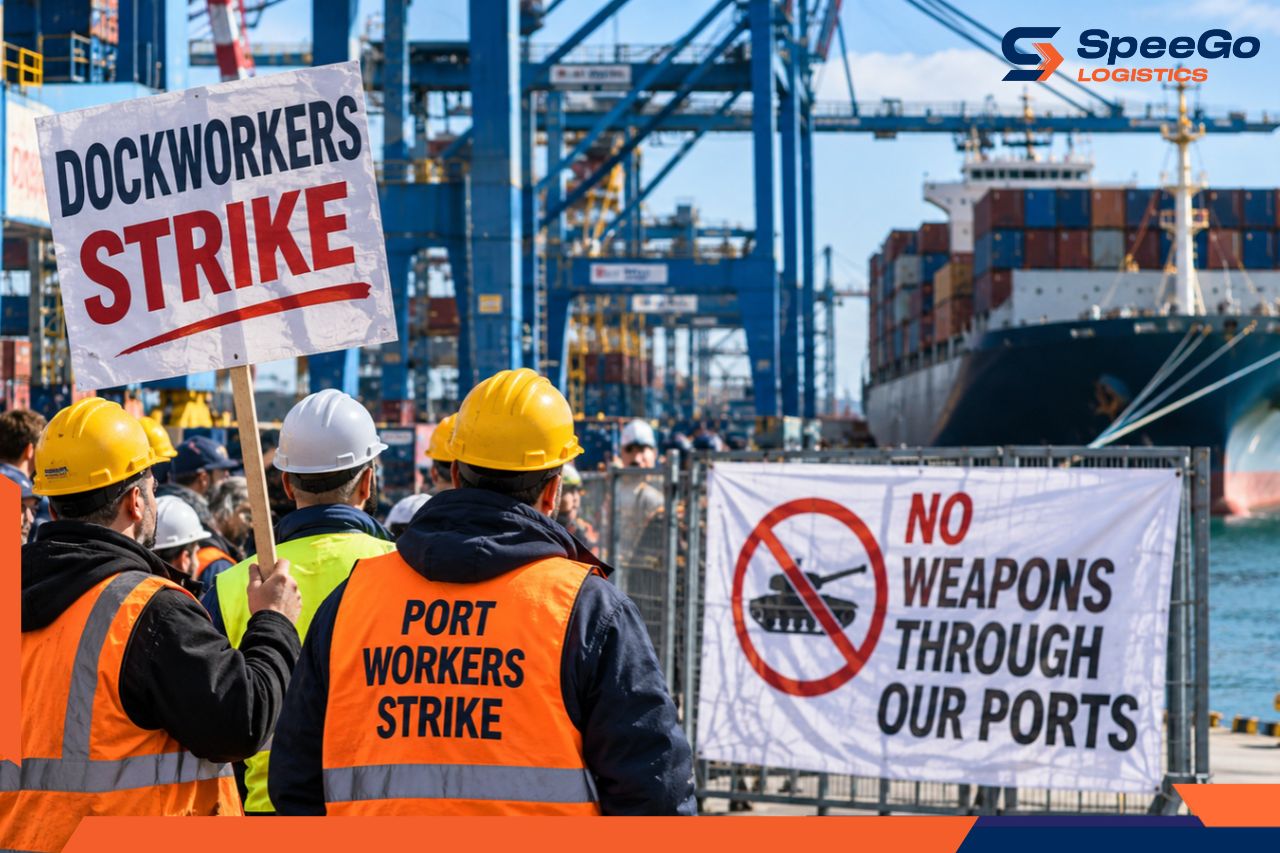
On October 30, 2026, dockworkers and seafarers at 113 ports across 22 countries took part in an international strike and protest campaign opposing the use of civilian ports to transport weapons to conflict zones. The actions disrupted operations at several key transportation hubs, raising concerns over vessel schedules and international supply chains.
Strikes Spread Across 113 International Ports
According to Reuters on October 30, 2026, more than 25 trade unions participated in the strike campaign across 113 ports in 22 countries. Actions took place at major maritime hubs across Europe, the Mediterranean, Asia, and North Africa.
Some of the key affected ports included:
- Europe: Piraeus (Greece), Valencia and Algeciras (Spain), Le Havre (France), Genoa (Italy), and Hamburg (Germany).
- Africa: Tangier Med (Morocco).
- Asia: Nhava Sheva (India).
The scale of industrial action varied by location, ranging from 24-hour work stoppages and shorter strikes to demonstrations and marches. Therefore, not all 113 ports were completely shut down.
At the Port of Piraeus in Greece, approximately 3,000 dockworkers and seafarers took part in the strike, disrupting cargo handling operations and resulting in the suspension of several ferry services to the Greek islands.
Strikes at 113 Ports Across 22 Countries Raise Concerns Over Shipping Disruptions
Reasons Behind the Strike Wave
The campaign was organized to oppose the use of civilian ports to transport weapons, ammunition, and military equipment to conflict zones.
Alongside their anti-war message, trade unions also raised several demands directly related to workers’ rights:
- Seafarer safety: Strengthening protective measures for workers on shipping routes passing through conflict zones.
- Improved working conditions: Calling for higher wages and better working environments at ports.
- Enhanced medical support: Proposing the deployment of medical personnel aboard vessels operating in high-risk security areas.
The campaign brought together international trade unions around three interconnected issues: maritime safety, workers’ rights, and opposition to the militarization of port infrastructure.
Related Articles
How Could International Supply Chains Be Affected?
Simultaneous strikes at multiple transportation hubs could put additional pressure on international logistics operations, particularly at ports handling high container volumes.
Potential impacts include:
- Cargo handling delays: Labor shortages or operational stoppages at certain terminals could extend container handling times.
- Vessel schedule adjustments: Ships may have to wait for berthing, revise arrival times, or adjust their operating schedules.
- Container congestion risks: Cargo backlogs could increase pressure on container yards and cargo handling operations.
- Additional logistics costs: If disruptions continue, businesses may face higher storage and container detention charges, as well as costs associated with adjusting transportation plans.
According to Reuters, the strike organizers estimated that approximately 52,000 containers and cargo worth $2.8 billion could be affected. However, these figures have not been independently verified by Reuters.
Logistics experts suggest that the overall impact on global trade may remain limited, as most industrial actions were relatively short-lived. Nevertheless, ports already experiencing vessel waiting times or congestion could face additional pressure.
What Should Importers and Exporters Monitor?
For importers and exporters, particularly those moving cargo through ports in Europe and the Mediterranean, monitoring port operations following the strikes is essential.
Businesses should take proactive steps to:
- Monitor vessel schedules and carrier announcements.
- Check container status and cargo handling progress at ports.
- Coordinate with freight forwarders regarding potential delivery delays or schedule changes.
- Prepare contingency plans for shipments with tight delivery deadlines
Although the October 30 strike campaign was relatively short, its potential effects on vessel schedules and cargo handling operations at certain ports should continue to be monitored.
SpeeGo Logistics will continue to provide the latest updates on ocean freight, port operations, and global supply chains.
References:
- Reuters – Dockworkers strike in Europe and beyond against arms shipments, war deaths (October 30, 2026).
- Associated Press – Dockworkers worldwide strike against arms shipments and to demand better working conditions (October 30, 2026).
- Port Technology – Dockworker strikes disrupt ports over military cargo (October 30, 2026).
