
Air Freight Services: Costs, Transit Times & Process
In international trade, shipping speed can directly affect business timelines, order fulfillment, and the overall efficiency of the supply chain.
For shipments that require urgent delivery, high-value goods, or products with tight delivery deadlines, air freight is a preferred shipping solution for many businesses.
According to the International Air Transport Association (IATA), air cargo accounts for more than 33% of global trade by value, highlighting its important role in international commerce.
However, choosing an air freight service involves more than simply finding a fast flight. Businesses also need a solution that meets their requirements for shipping routes, transit times, costs, and the handling of related logistics procedures.
How long does air freight take, and what are the costs and shipping procedures?
Through its international air freight services, SpeeGo Logistics is committed to helping businesses connect with global markets, coordinate transportation, and manage shipments with transparency and professionalism.
In this guide, we’ll explore available shipping solutions, transit times, freight costs, and the shipping process to help your business choose the right option for its needs.
What Do SpeeGo Logistics’ Air Freight Services Include?
SpeeGo Logistics provides one-way air freight services from Vietnam and China to the United States, Canada, and Australia. Our end-to-end service covers cargo pickup, export customs clearance, air transportation, import customs clearance, and final delivery.
Strategic Air Freight Routes Served by SpeeGo
To maintain specialized service quality and efficient customs processing, SpeeGo focuses its operational resources on six key one-way air freight routes:
- From Vietnam: To the United States, Canada, and Australia.
- From China: To the United States, Canada, and Australia.
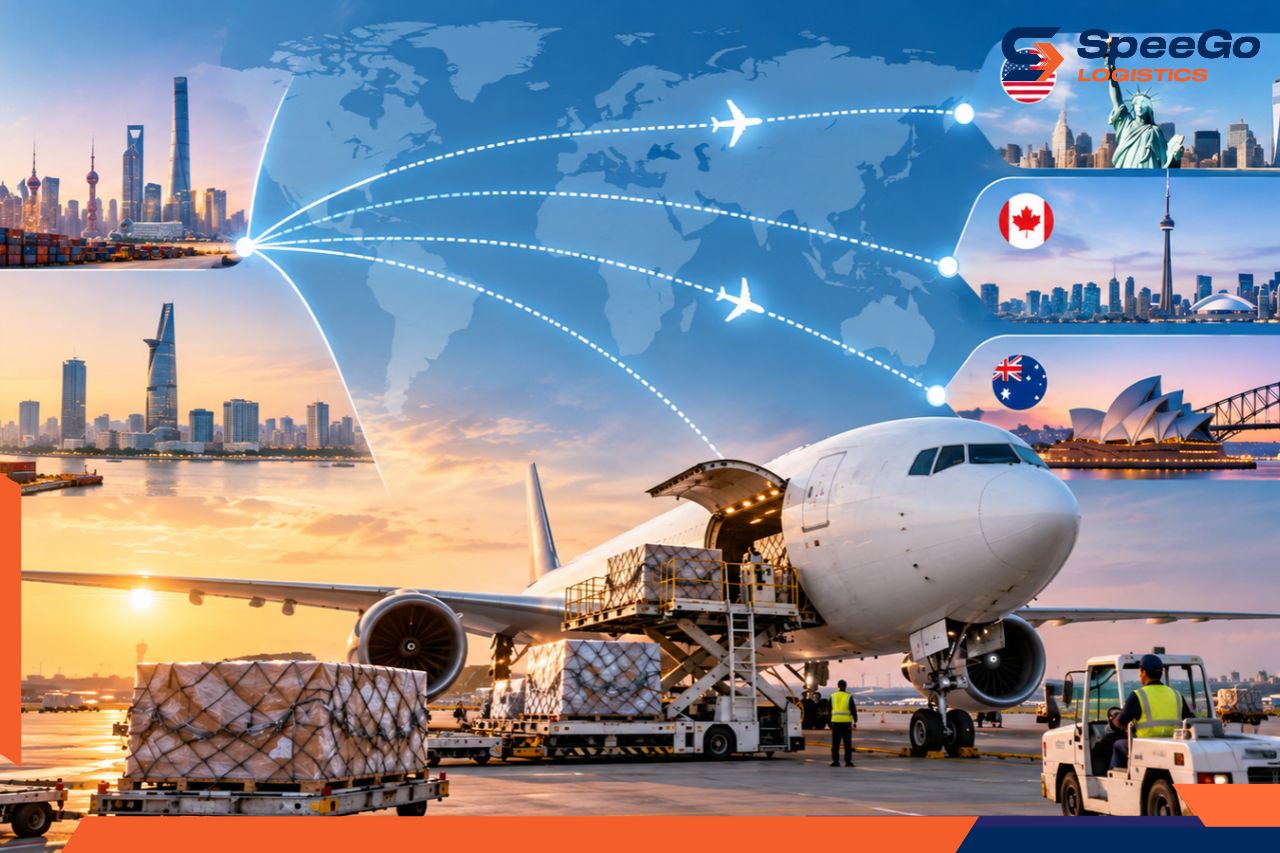
SpeeGo specializes in shipping routes from Vietnam and China to the U.S., Canada, and Australia.
What Types of Cargo Are Suitable for Air Freight?
Air freight can be a cost-effective solution for shipments weighing between 45 kg and 500 kg.
In particular, for lightweight, high-value goods, air freight can sometimes offer better overall value and greater security than ocean freight services.
With experience handling thousands of export shipments, SpeeGo’s team is equipped to manage and coordinate customs clearance for several key product categories:
- Beauty and Personal Care: Cosmetics, nail products, and nail industry supplies.
- Lifestyle and Home Furnishings: Decorative items, home décor, and premium handicrafts.
- Machinery and Technology: Components and technical equipment requiring specialized packaging and careful handling to prevent impact damage.
How Long Does Air Freight Take From China and Vietnam to the U.S., Canada, and Australia?
Compared with ocean freight, which typically takes 20–45 days, international air freight can reduce transportation time to just 1–7 days.
However, actual transit times vary depending on the service option selected, particularly whether the shipment travels on a direct flight or through a connecting hub.
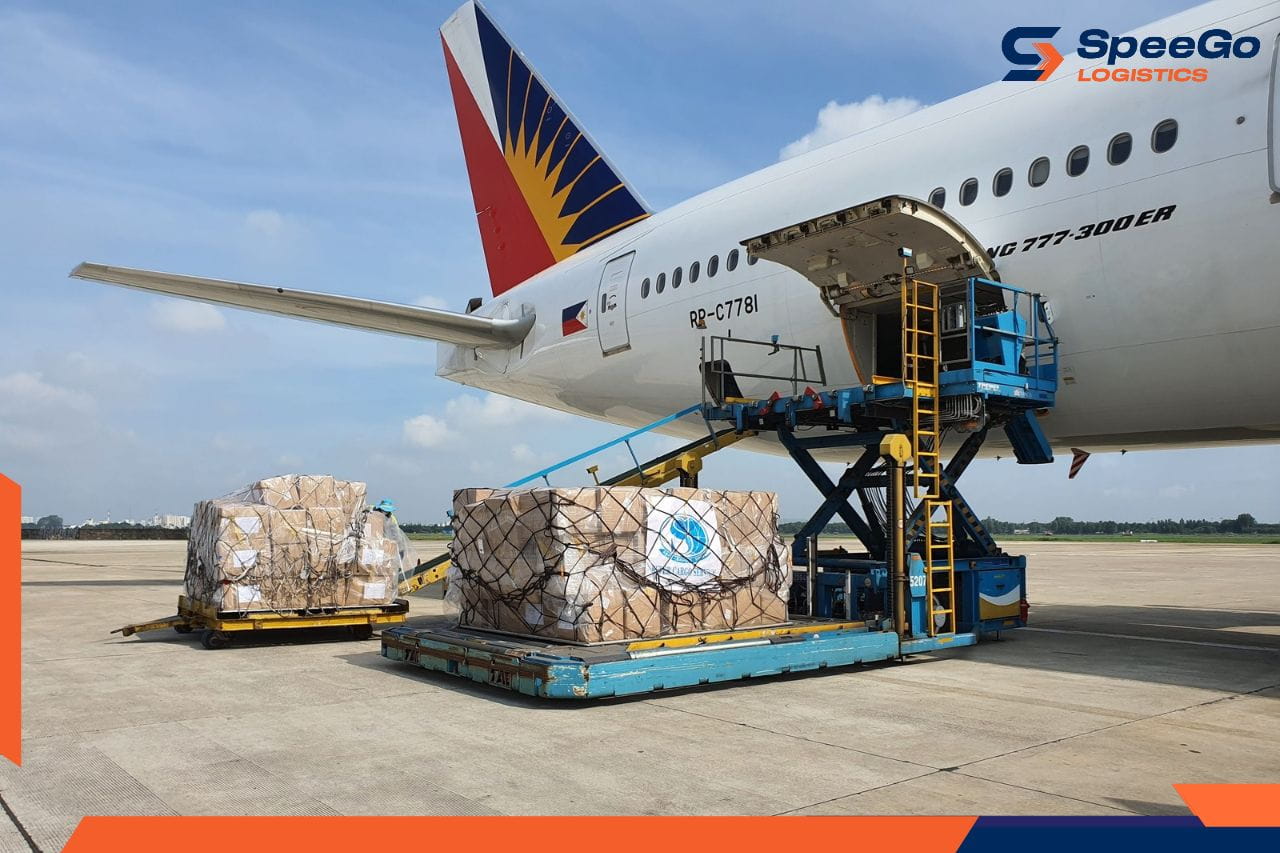
Air freight is a fast and reliable shipping solution.
Estimated Transit Times on SpeeGo’s Key Routes
The following table provides estimated air transit times, measured from the departure airport to the destination airport, to help businesses plan their shipments.
| Shipping Route | Direct Flight | Connecting Flight |
|---|---|---|
| Vietnam → United States | 2–3 days | 4–6 days |
| Vietnam → Canada | 3–4 days | 5–7 days |
| Vietnam → Australia | 1–2 days | 3–5 days |
| China → United States | 1–2 days | 3–5 days |
| China → Canada | 2–3 days | 4–6 days |
| China → Australia | 1–2 days | 2–4 days |
Note: These transit times are estimates intended to help businesses plan their shipments.
Factors That Can Affect Air Freight Transit Times
Even with carefully planned flight schedules, air cargo supply chains can still be affected by various operational factors. To manage potential risks, businesses should pay attention to these four key considerations:
- Customs clearance procedures: If export or import documentation is invalid or incomplete, or if customs selects a shipment for physical inspection (red-channel inspection), delivery may be delayed by an additional 1–3 days.
- Cargo rollovers during peak seasons: During major year-end holidays, export volumes can surge, causing flights to reach capacity. Shipments may have to remain in storage until space becomes available on the next flight.
- Cargo characteristics and classification: General cargo can usually be processed quickly. However, dangerous goods, chemicals, magnetic batteries, and temperature-controlled shipments may require more extensive security screening and specialized handling procedures.
- External factors: Severe weather conditions, such as storms, dense fog, or snowfall, as well as airport strikes, may result in unexpected flight delays, rescheduling, or cancellations.
How Are Air Freight Rates Calculated?
For international air freight services, shipping costs are not calculated solely based on actual weight. Instead, carriers use a measurement known as Chargeable Weight.
According to the International Air Transport Association (IATA), chargeable weight is the greater of a shipment’s actual gross weight and volumetric weight.
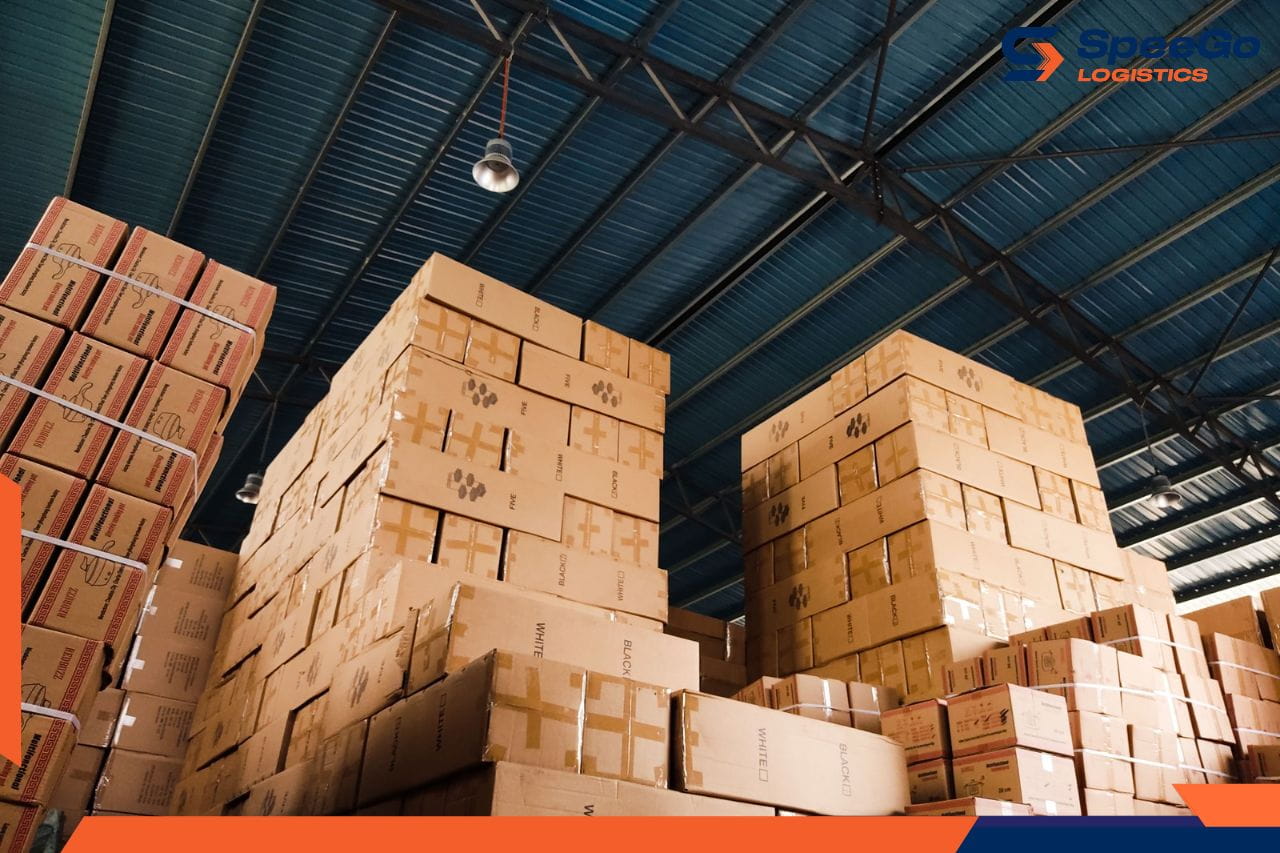
Air freight costs are generally higher than ocean freight rates.
How to Calculate Chargeable Weight
Volumetric weight is used to account for lightweight but bulky shipments that occupy a significant amount of space in an aircraft’s cargo hold. The standard conversion formula is:
Volumetric Weight (kg) = [Length × Width × Height (cm)] / 6,000
Example: A business needs to ship one package measuring 60 cm × 50 cm × 40 cm with an actual weight of 12 kg.
Volumetric Weight = (60 × 50 × 40) / 6,000 = 20 kg.
Since 20 kg is greater than 12 kg, the airline will use 20 kg as the chargeable weight for this shipment.
Standard Charges Included in an Air Freight Quote
A complete air freight quote includes more than the base air transportation rate. It may also include mandatory surcharges and service fees incurred at both the origin and destination airports.
Typical cost components include:
- Base air freight rate: Calculated per kilogram.
- Airline surcharges: Including fuel surcharges and security surcharges.
- Terminal handling charges: Fees for handling, loading, and unloading cargo at the origin and destination airport terminals.
- Customs clearance fees: Applicable when businesses use customs clearance services.
- Inland transportation charges: Trucking fees for collecting cargo from the shipper’s warehouse and delivering it to the consignee’s warehouse.
- Cargo insurance: Optional coverage to protect the value of the shipment, particularly for high-value goods.
At SpeeGo, every quote clearly itemizes the charges listed above. Businesses receive a transparent breakdown of the total cost before confirming a booking, with no hidden fees.
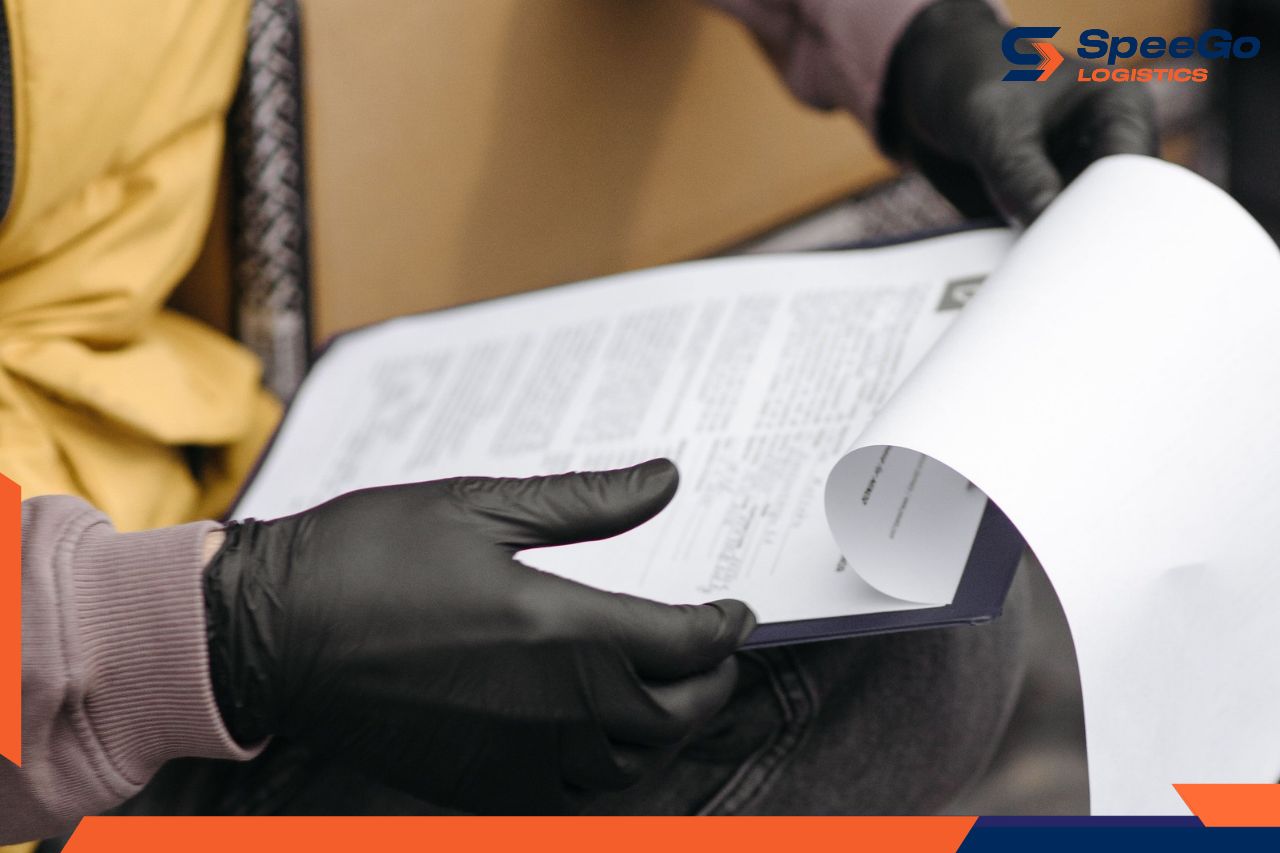
SpeeGo is committed to transparency and no hidden fees.
Estimated Air Freight Rates
Air freight rates fluctuate based on factors such as fuel prices and seasonal demand, particularly during peak periods toward the end of the year.
The following table provides estimated air freight rates for shipments from China to the United States through SpeeGo.
| Shipment Weight | Estimated Rate (USD/kg) |
|---|---|
| 45–99 kg | 5.48–12.43$/kg |
| 100–299 kg | 4.68–10.00$/kg |
| 300 kg and above | 4.38–8.00$/kg |
Note: These rates are for reference only. For an accurate quote based on this week’s flight schedules from Chinese departure airports, businesses are encouraged to contact the SpeeGo team directly.
What Are the Steps in the Air Freight Shipping Process?
To ensure cargo safety and minimize transit times across the supply chain, a standard international air freight shipping process typically consists of seven key steps:
- Shipment information collection and quotation.
- Packaging and document preparation.
- Cargo pickup and consolidation.
- Export customs clearance and security screening.
- International air transportation.
- Import customs clearance.
- Final-mile delivery.
To make the process easier to understand, SpeeGo groups these steps into three main stages.
Stage 1: Shipment Inquiry and Quotation
Customers provide the actual shipment details, including the shipping route, cargo characteristics, dimensions, and weight.
Based on this information, SpeeGo checks available flight capacity, calculates the applicable shipping costs to minimize unexpected charges, and provides a quotation along with the estimated transit time.
Stage 2: Cargo Pickup, Packaging, and Export Procedures
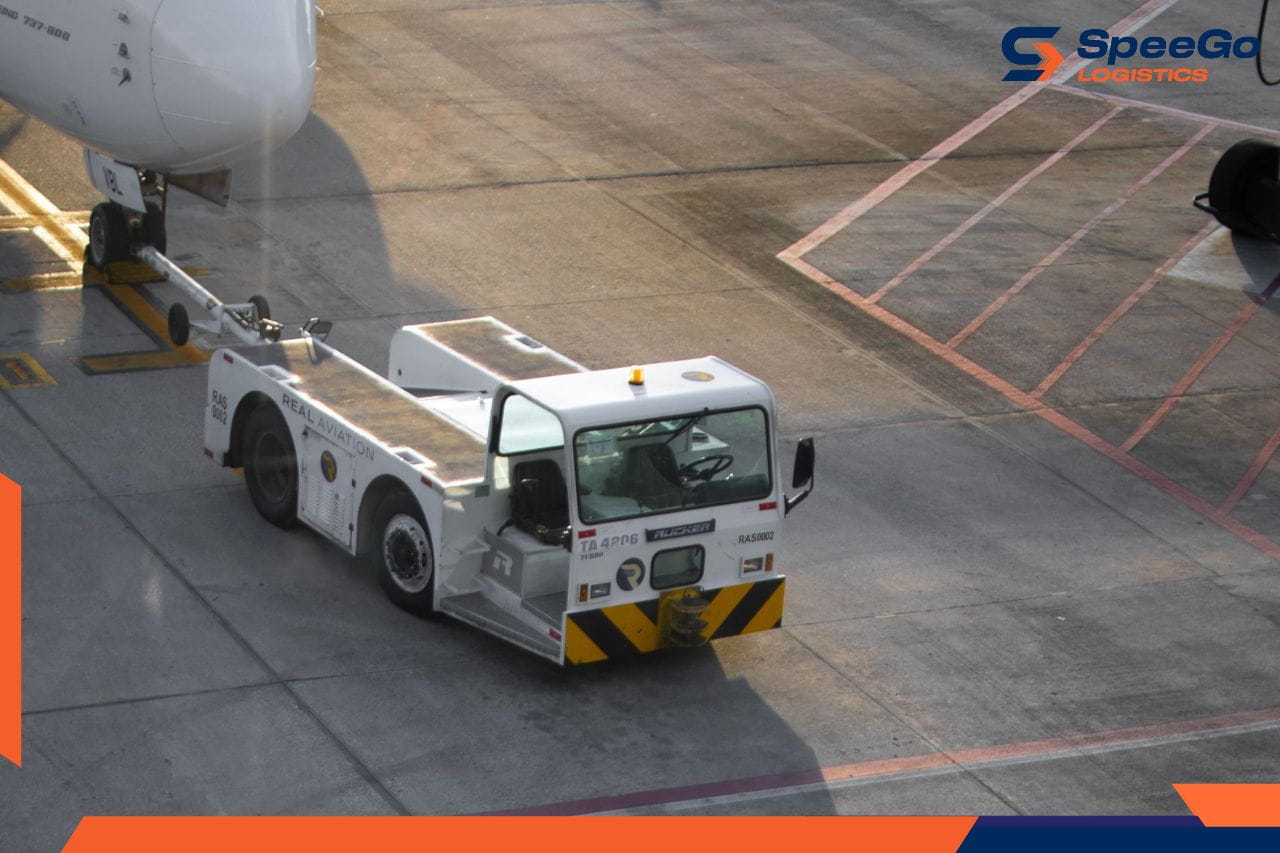
SpeeGo helps businesses handle the required shipping documentation and paperwork.
SpeeGo receives the cargo, assists with packaging in accordance with air cargo security requirements, and prepares the necessary export documentation, including the Air Waybill (AWB), Commercial Invoice, and Packing List.
For specialized cargo, the team also coordinates any additional industry-specific certifications, such as FDA-related documentation or Material Safety Data Sheets (MSDS), before the shipment is delivered to the airport for customs clearance.
Related reading: 100+ Essential Terms in International Logistics
Stage 3: International Transportation, Import Customs Clearance, and Delivery
Once the flight arrives in the destination country, the shipment proceeds through import customs clearance before being delivered directly to the consignee’s address.
Throughout the process, businesses can monitor their shipments in real time at key operational milestones.
Why Choose SpeeGo’s Air Freight Services?
Here are some key reasons why businesses choose to work with SpeeGo Logistics for air freight services.
Specialized Expertise in U.S., Canadian, and Australian Routes
At SpeeGo, we focus on six key air freight routes connecting Vietnam and China with major international markets.
With an in-depth understanding of documentation requirements and import procedures in destination markets, we help businesses navigate customs clearance and coordinate shipments more efficiently.
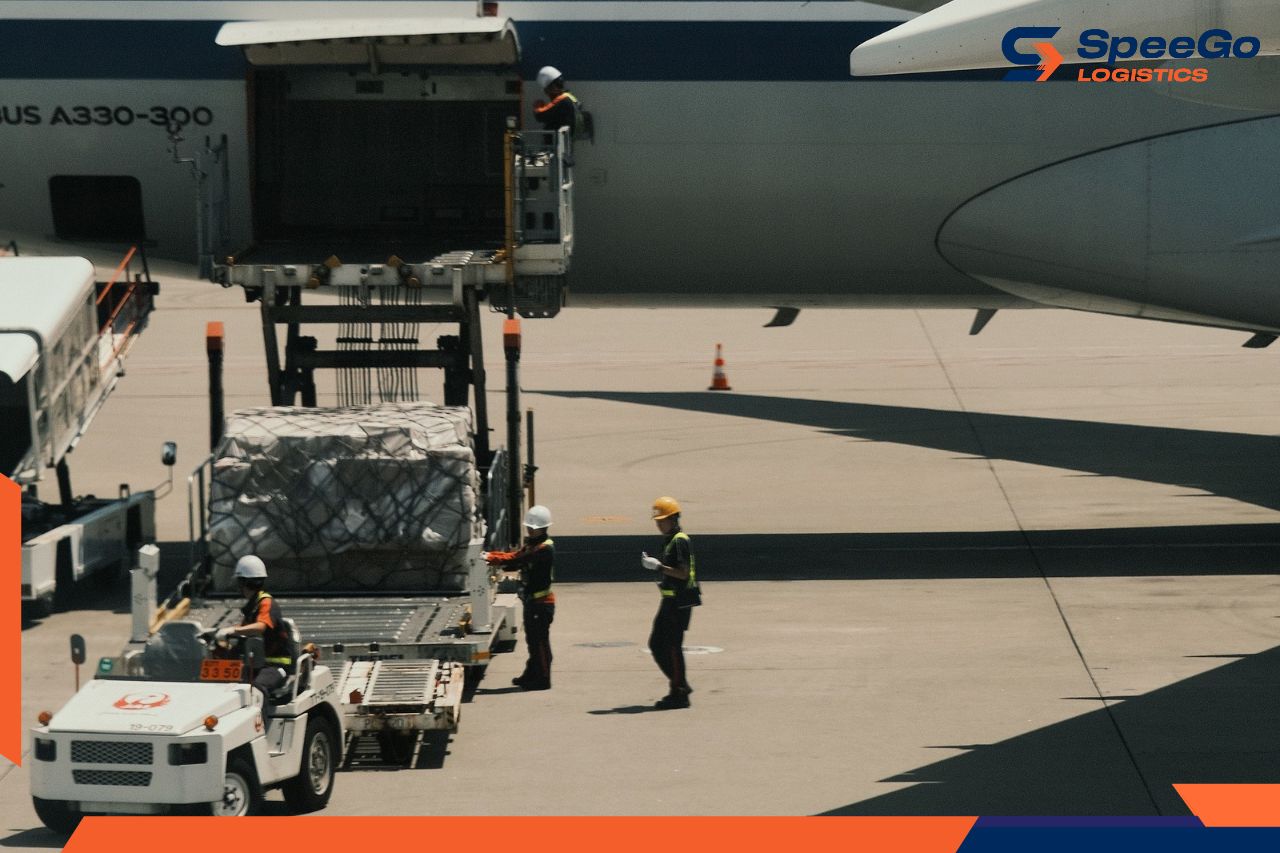
SpeeGo has in-depth expertise in shipping routes from Vietnam and China to the U.S., Canada, and Australia.
Transparent Pricing and 24/7 Shipment Monitoring
We provide detailed quotations with itemized charges and no hidden fees, helping businesses plan and manage their shipping budgets more effectively.
Shipment progress is also updated continuously at key operational milestones, giving businesses greater visibility and control over their cargo.
End-to-End Supply Chain Solutions
SpeeGo provides an integrated range of services covering product sourcing, quality inspection, international transportation, and order fulfillment.
Working through a single logistics partner means businesses do not have to manage multiple disconnected service providers. This helps streamline coordination, save time, optimize costs, and maintain consistency throughout the supply chain.
Air freight services are a suitable option for urgent shipments, lightweight goods, and high-value products. Transit times typically range from 1–7 days. Choosing the right service option and preparing complete documentation can help businesses manage shipping costs more effectively.
Follow SpeeGo Logistics for the latest updates on international transportation, logistics, and global supply chains!
